Why Okinawa for a high-end incentive
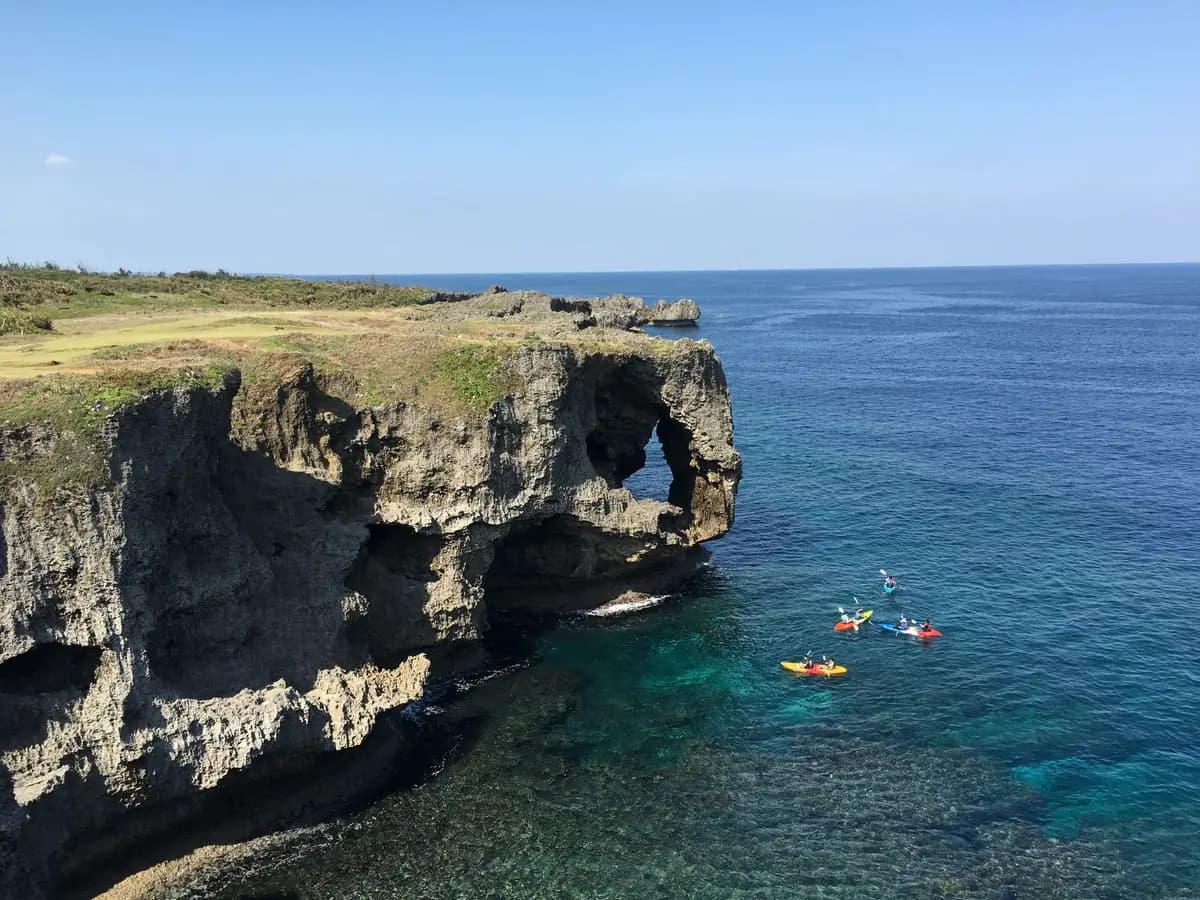
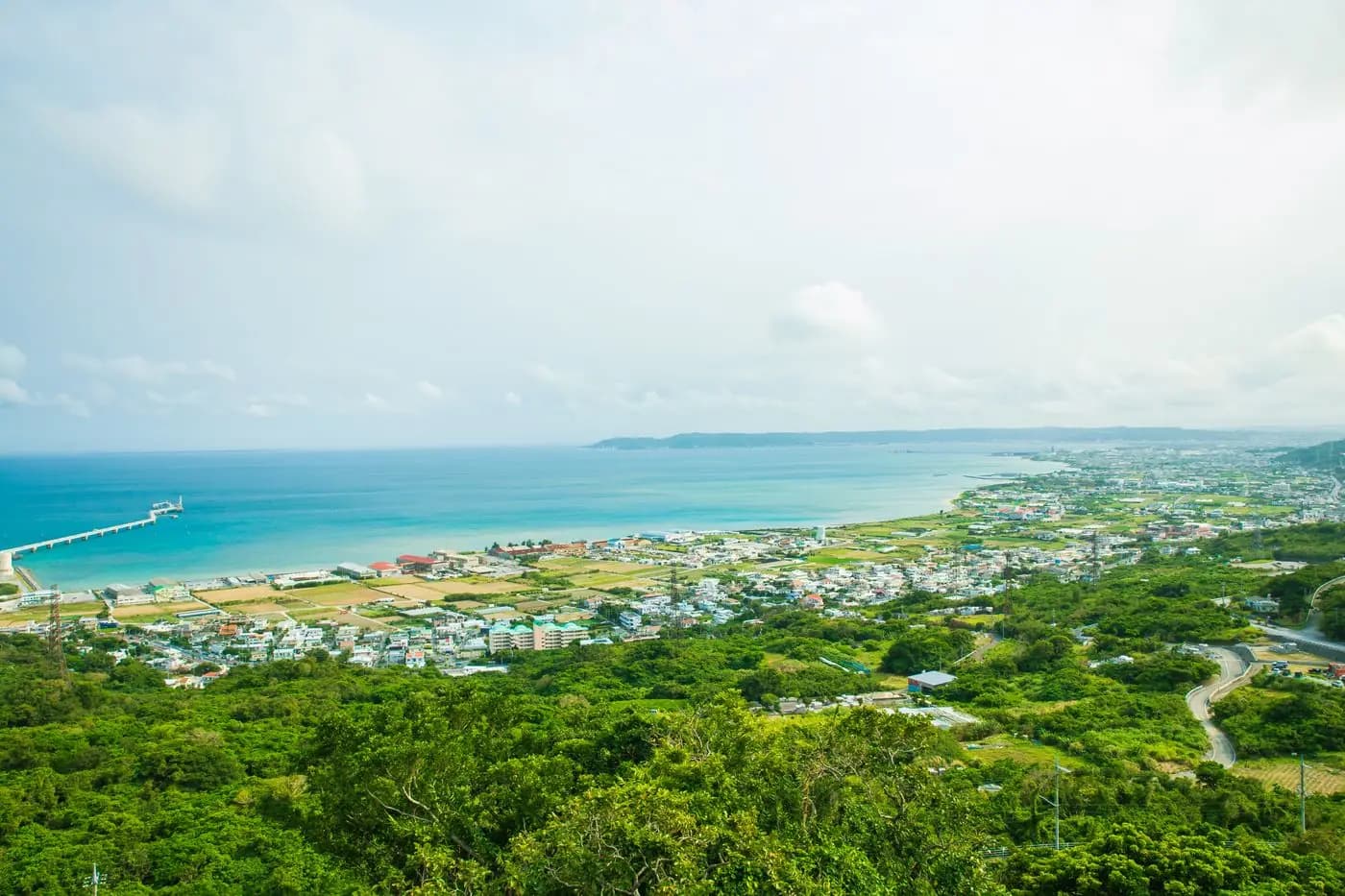
An incentive trip has to reward, surprise and bring people together. Okinawa meets all three expectations with an offer few destinations can match: international-standard beach resorts, clear waters ideal for ocean activities, and a distinctive culture inherited from the Ryukyu Kingdom, quite different from that of mainland Japan.
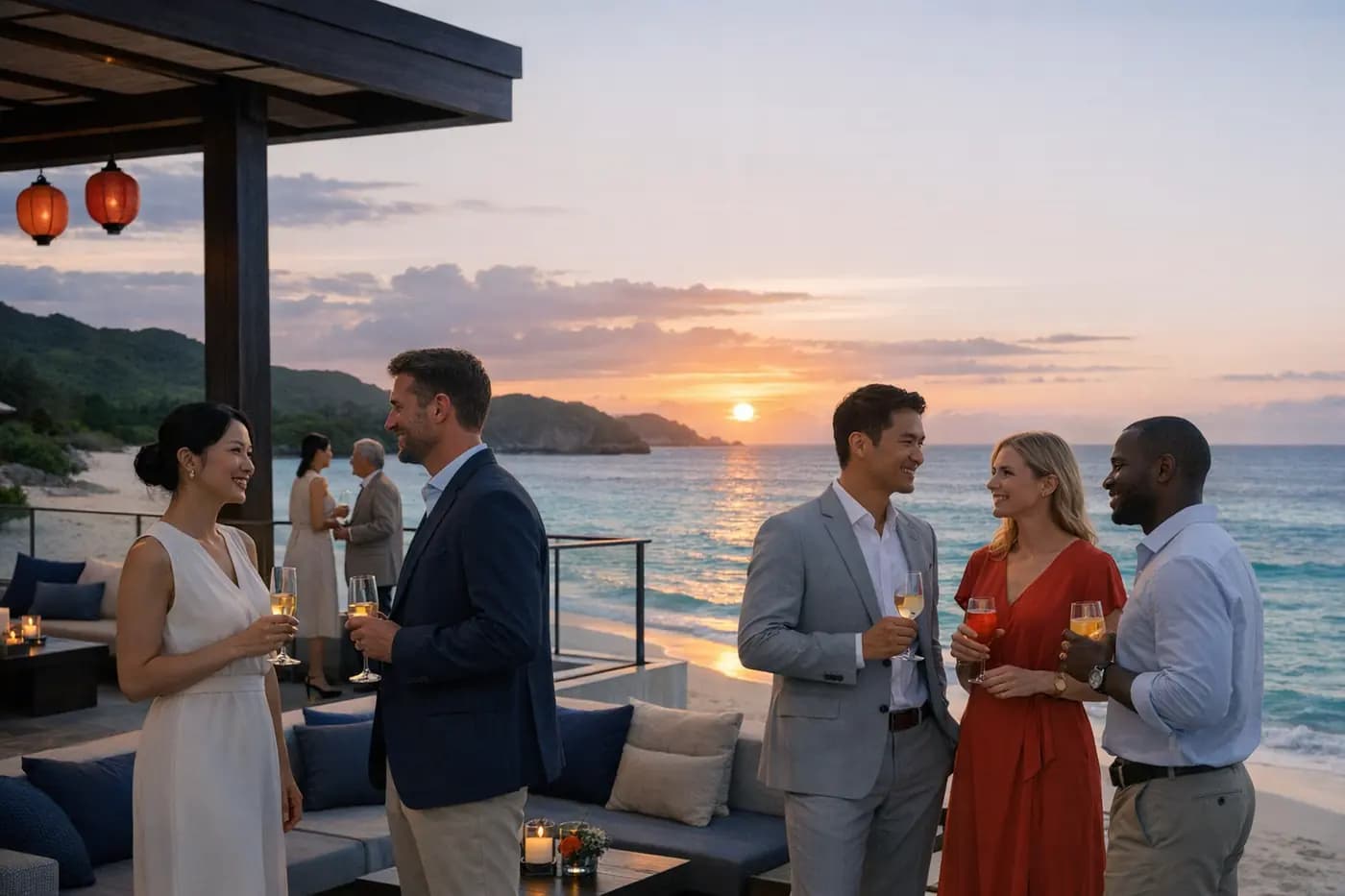
For participants who already know Tokyo or Kyoto, an Okinawa incentive trip is a complete change of register. The pace slows, the dress code relaxes and evenings move outdoors. For first-time visitors to Japan, two or three nights in Okinawa after a stay in Tokyo create a memorable contrast within a single trip.
For many European companies, Okinawa is also a destination participants do not expect. That element of surprise matters in an incentive: the winners of a sales challenge remember a place they would not have chosen on their own. It also makes the reward feel truly exclusive rather than a trip anyone could book.
Access and transfers
Naha Airport is the gateway to the main island. From Tokyo Haneda, allow about 2h30 to 3h of flight time; from Osaka (Kansai or Itami), a little over two hours. Domestic flights are frequent, but capacity tightens during Japanese holidays, so we block group seats as early as possible.
From Europe, Okinawa is reached via Tokyo or Osaka, which naturally leads to a two-part program: a seminar or city visits first, then a beachfront reward.
There is no rail network on the island apart from the Naha monorail, so transfers are made by private coach:
- Naha to Chatan: about 40 minutes to an hour depending on traffic.
- Naha to Onna (west coast): about 1h to 1h15 via the Okinawa Expressway.
- Naha to Nago / Busena: about 1h15 to 1h30.
Naha traffic is heavy at rush hour, and we factor that into return flight timings. For VIP guests, private cars can run separately from the main coach movements.
Key resorts and areas
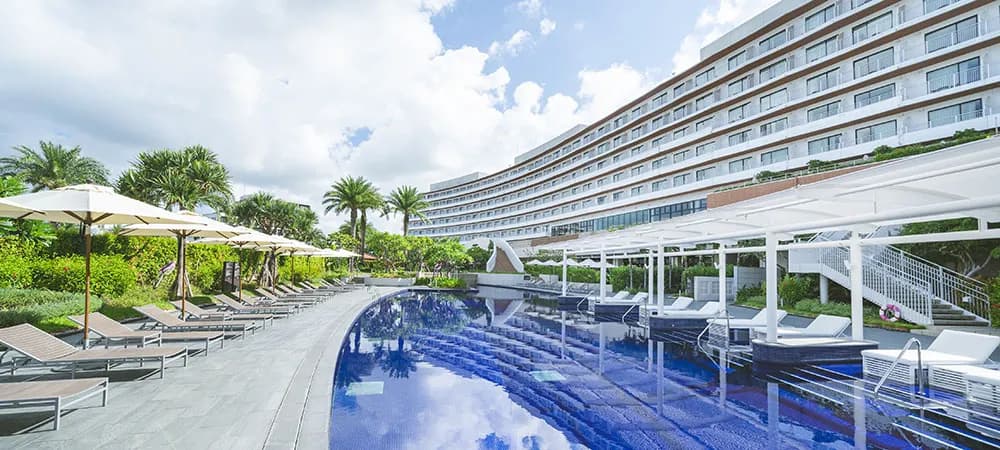
The west coast of the main island is home to the resorts best suited to incentive groups. Each area has its own character:
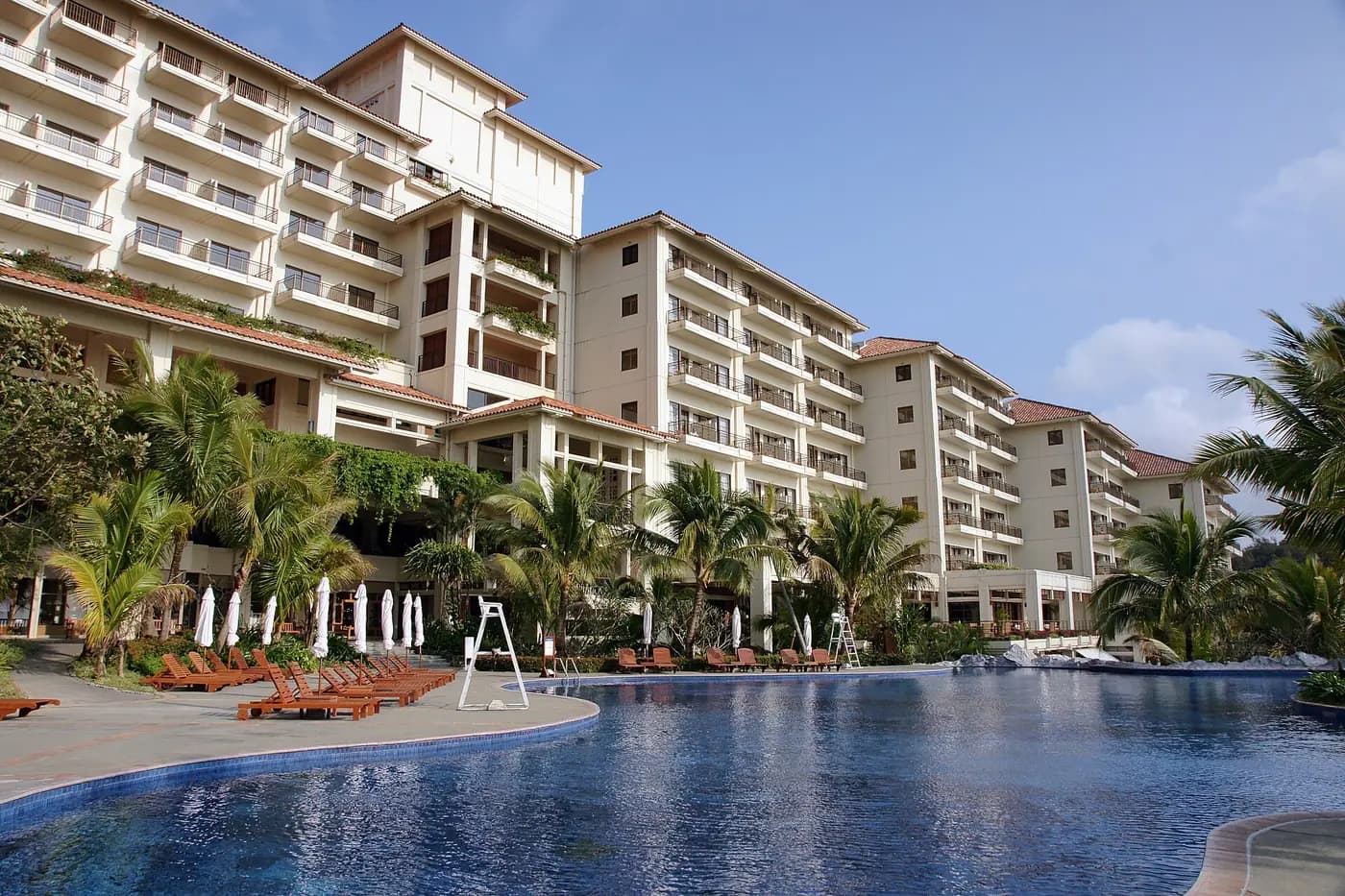
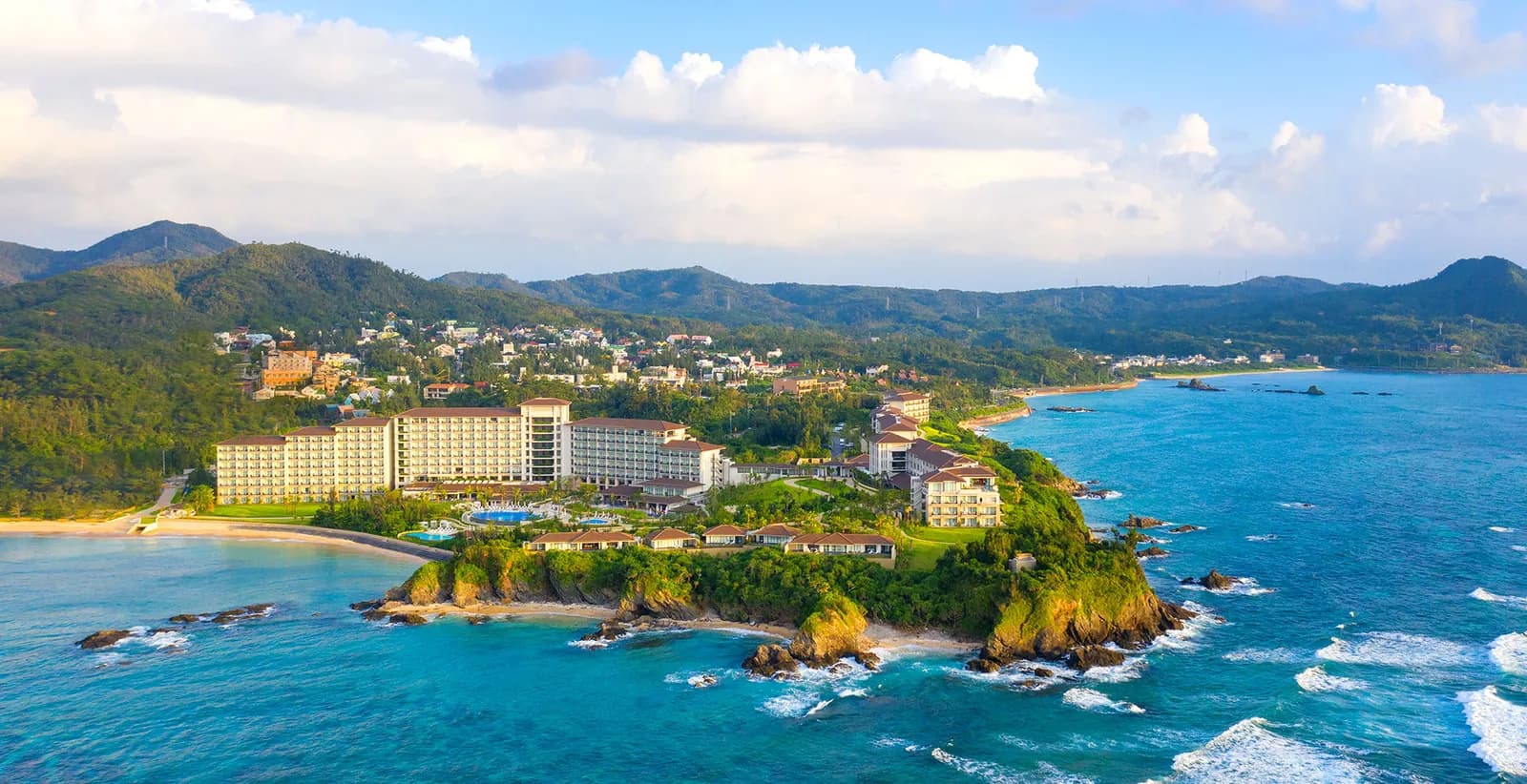
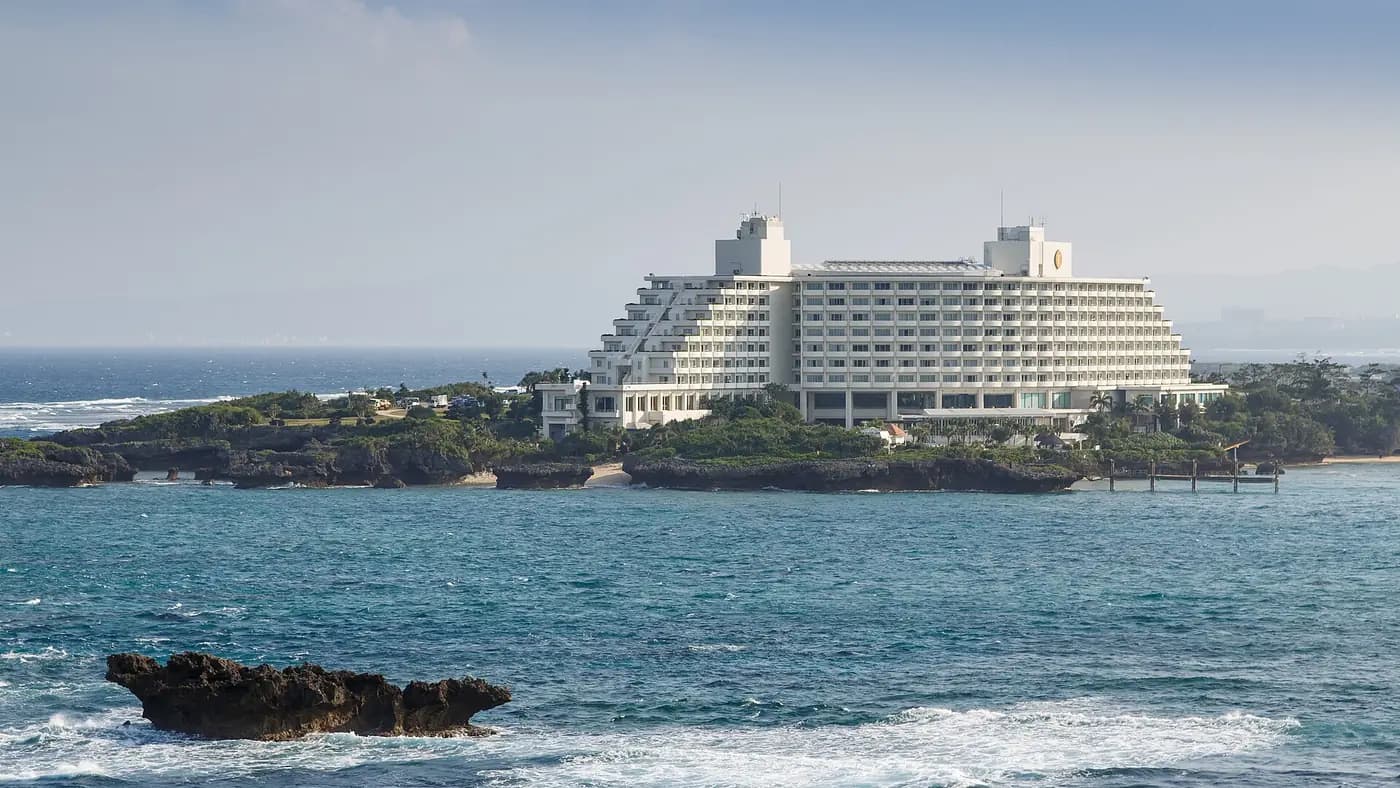
- Onna: the largest concentration of resorts, including ANA InterContinental Manza Beach Resort, Halekulani Okinawa, Hyatt Regency Seragaki Island Okinawa, Renaissance Okinawa Resort and Okinawa Kariyushi Resort EXES Onna. Ideal for groups of 50 to 200.
- Nago and the Busena peninsula: The Busena Terrace, a landmark resort next to the Bankoku Shinryokan, the conference venue that hosted the 2000 Kyushu-Okinawa G8 Summit. A strong combination for pairing a working session with a beach stay.
- Chatan: more urban, near American Village, with Hilton Okinawa Chatan Resort; convenient for free evenings and 40 to 60 minutes from the airport.
For larger programs, the Okinawa Convention Center in Ginowan can host a plenary before the group heads to the resorts.
As an indication only, luxury resort rooms often range from ¥40,000 to ¥150,000 per night depending on season and room category, with peaks in summer and during Japanese holidays.
Seasons and weather risk
Okinawa's subtropical climate offers a long pleasant season, but timing must be chosen carefully:
- April to early May: mild temperatures and swimmable water before the rainy season. An excellent window, provided you avoid Golden Week.
- May to June: rainy season, earlier than in Tokyo. Showers alternate with sunny spells, and rates are softer.
- July to September: high summer and ideal sea conditions, but also the heart of typhoon season, peaking in August and September.
- October to November: milder heat, still-pleasant sea and a declining typhoon risk.
- December to March: a mild winter, not ideal for swimming but well suited to golf, culture and humpback whale watching, usually from January to March.
A typhoon can ground flights for one or two days. For any summer program, we always plan an indoor backup, flexible tickets, suitable insurance and a fixed decision point 48 to 72 hours before each ocean activity.
Experiences that make an impact
An Okinawa incentive works best when it blends ocean, culture and food:
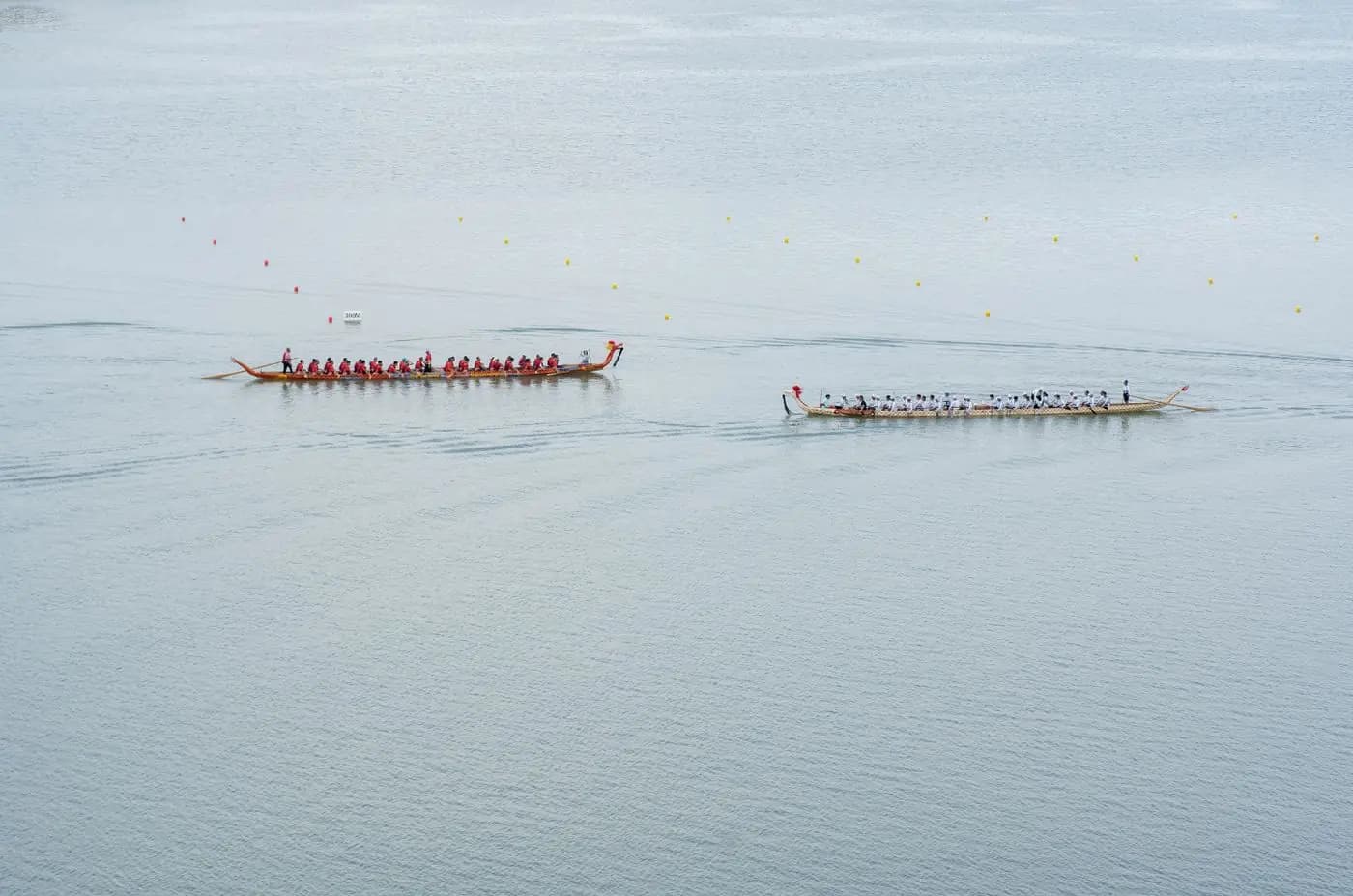
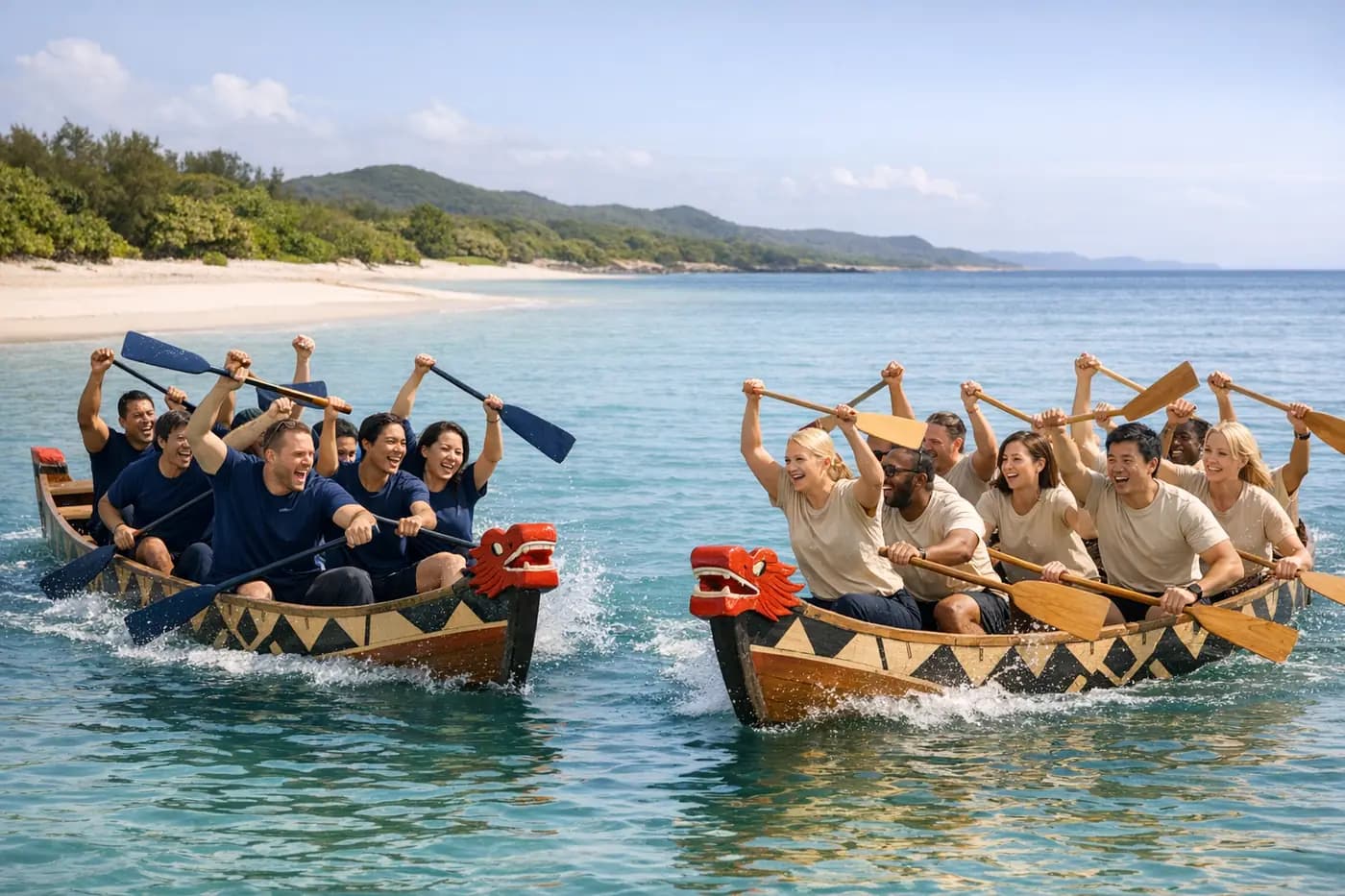
- Dragon boat racing (hari): a local tradition, celebrated notably at the Naha Hari in spring. As a team-building format, teams train and then race in a highly energizing atmosphere.
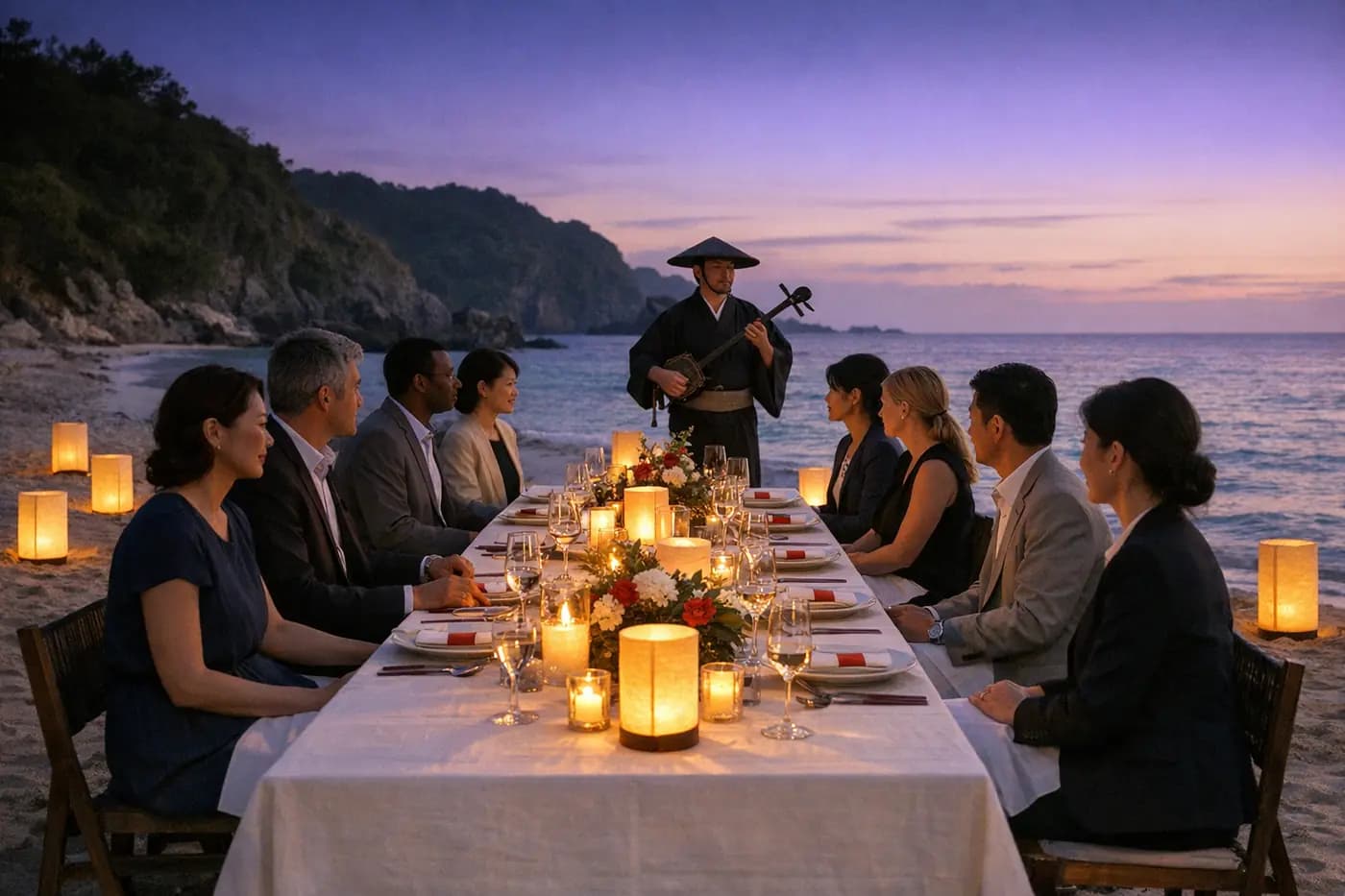
- Beach games on a resort's private beach, followed by a barefoot dinner on the sand.
- Eisa evening: traditional Okinawan dance and drumming, with an introduction session for participants.
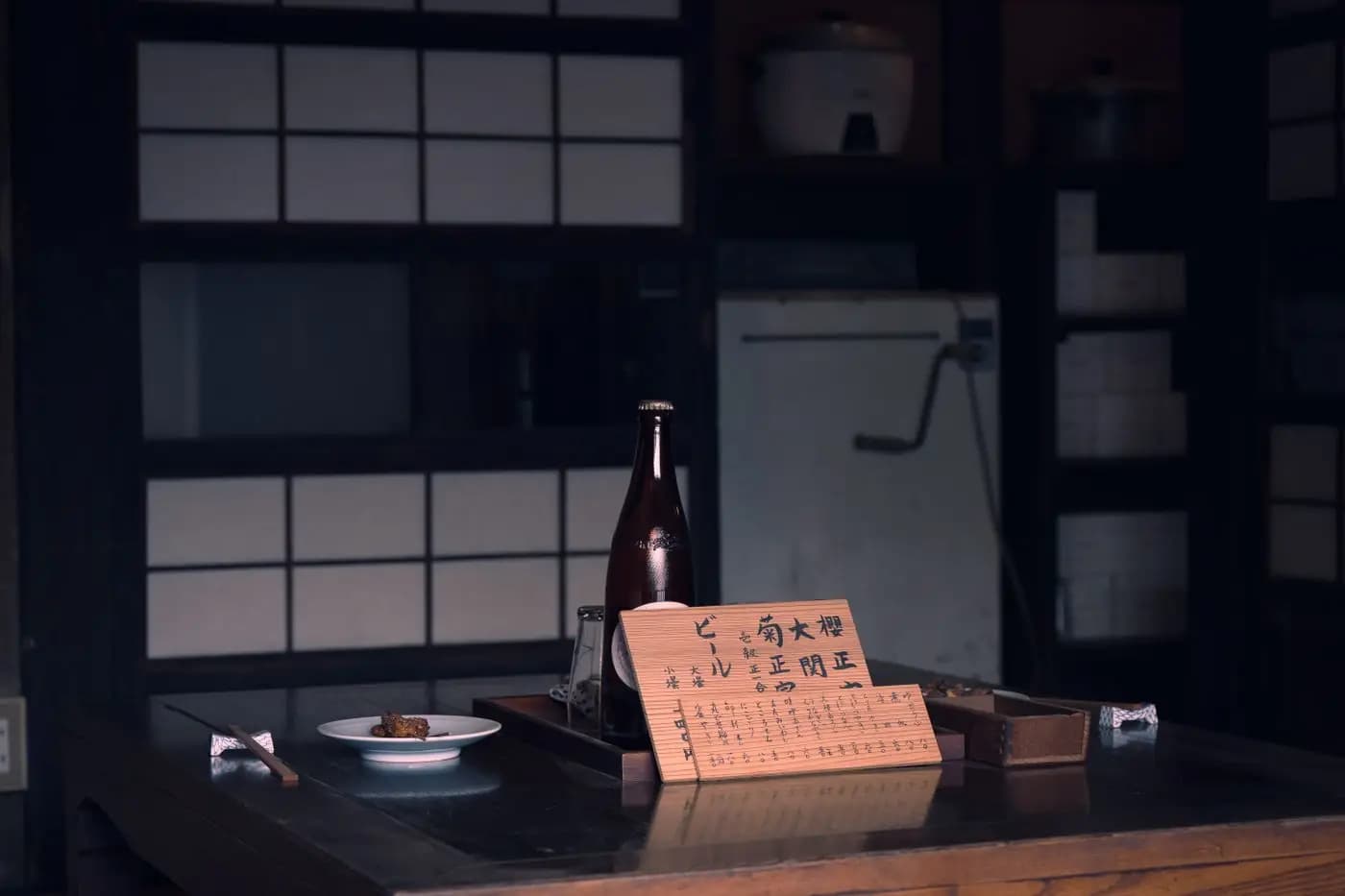
- Ryukyu cuisine: a dinner built around local specialties and a tasting of awamori, the island's traditional spirit.
- A day in the north: Churaumi Aquarium in Motobu and the Yanbaru forest, listed as a UNESCO World Natural Heritage site in 2021. For a small group, a stop at Ten no Fune, a buckwheat galette cafe that opened in late 2025 in a striking building set in the forest, adds a more intimate touch; reservations are recommended.
In the south, Shuri Castle, destroyed by fire in 2019, is being rebuilt; the main hall is scheduled to reopen in autumn 2026. Until then, the site remains open, and the visible reconstruction work is itself a striking lesson in craftsmanship for participants.
Budget, lead times and best practices
For a high-quality Okinawa incentive trip, a few simple principles make the difference:
- Plan early: 9 to 12 months for groups of more than 50, especially for domestic flights and Onna resorts in summer.
- Limit transfers: a single resort for the whole stay rather than several stops; distances on the island look short on a map but take time.
- Allow at least two nights, ideally three, so the change of pace is truly felt.
- Take care of the evenings: a private beach dinner, or a resort terrace or salon on request, subject to availability.
- Support languages: English is spoken in major resorts but much less elsewhere; bilingual staff remain necessary for excursions.
As an indication, a 3-night Okinawa extension in a 5-star resort, including domestic flights, transfers, one activity per day and dinners, often adds €1,500 to €3,000 per person depending on the season. Only a dated quote is binding. We also recommend confirming the group's final numbers early, as resort cancellation terms tighten sharply in the last 60 days.
Frequently asked questions
When is the best time for an incentive in Okinawa?
April to early May and October to early November offer the best balance of weather, swimmable water and limited typhoon risk. Summer is ideal for the sea but requires a backup plan. Winter suits a program focused on golf, culture and whale watching.
How do we get to Okinawa from Europe?
Via Tokyo or Osaka, then a domestic flight to Naha: about 2h30 to 3h from Haneda, a little over two hours from Kansai. Most of our clients combine Okinawa with a stay in Tokyo, Kyoto or Osaka.
What happens if a typhoon hits?
Flights may be cancelled for one or two days and ocean activities suspended. We monitor forecasts from seven days out, set decision points 48 to 72 hours before each activity and switch to an indoor program at the resort. Flexible tickets and suitable insurance are recommended.
What group size can Okinawa handle?
The large Onna resorts comfortably host groups of 50 to 200 in a single property. Beyond that, we split the group between two neighboring resorts and use the Okinawa Convention Center or the Bankoku Shinryokan for plenary moments.
What budget should we plan for an Okinawa incentive?
As an indication, a 3-night extension in a 5-star resort including domestic flights, transfers, activities and dinners often adds €1,500 to €3,000 per person to a Tokyo or Kyoto program. Summer and Japanese holidays sit at the top of the range. Only a dated quote is binding.
Rédaction SHINOGI DMC · Updated