Green Expo 2027: dates, location and key figures
GREEN×EXPO 2027 (official name: International Horticultural Expo 2027, Yokohama, Japan) runs from Friday 19 March to Sunday 26 September 2027 in Yokohama, on the former Kamiseya Communication Facility, a 242-hectare site returned by the US military in 2015, straddling Seya and Asahi wards. The expo area covers about 100 hectares, 80 of which form the visitor park. Open daily from 9:30am to 9:30pm.
It is not a World Expo like Osaka 2025, but a Class A1 international horticultural exhibition, the highest category, approved by the International Association of Horticultural Producers (AIPH) and recognised by the Bureau International des Expositions (BIE). Organisers are targeting more than 10 million paying visitors over the six months.
The theme, "Scenery of the Future for Happiness" (幸せを創る明日の風景), breaks down into four sub-themes: harmony with nature and green infrastructure, communities connected by greenery and agriculture, new plant-based industries, and international cooperation. In practice, visitors find gardens, themed pavilions, a horticultural pavilion, the Japan Pavilion and Garden, spaces for participating countries and companies, and food areas.
Who is it for? Garden and landscape lovers, obviously, but also companies in food, urban development, energy or sustainable construction, which will see concrete "green city" demonstrations. And for anyone organising group travel to Japan in spring 2027, it is an event to build in, or to plan around.
Green Expo 2027 tickets: prices, types and booking
Tickets are sold on the official ticketing website (account required), through travel agencies and authorised resellers. Official prices (adults 18+ / ages 12–17 / ages 4–11):
- One-day ticket, advance price: ¥4,900 / ¥3,000 / ¥1,400, on sale until 18 March 2027, valid for one entry on any date.
- One-day ticket, regular price (on sale from 19 March 2027): ¥5,500 / ¥3,300 / ¥1,500.
- Night ticket, entry after 5pm: ¥3,500 / ¥1,900 / ¥900.
- Season pass, unlimited entry: ¥28,000 / ¥16,000 / ¥6,500.
- Summer pass, unlimited entry from 1 July to 31 August: ¥12,000 / ¥7,000 / ¥3,000.
- Group ticket (15 people or more, entering together): ¥5,200 / ¥3,100 / ¥1,400. School group tickets: ¥1,700 (high school), ¥900 (junior high, elementary, preschool).
- Free for children aged 3 and under, no ticket required.
The key point: a ticket is not enough. Every visit requires a date and time-slot reservation on the official website, with limited places per slot. Reservations have been open since 18 September 2026. For a group, that means booking the slots at the same time as the tickets, not the day before.
One subtlety: age is taken as of 1 April 2027 (1 April 2026 for visits in March 2027). Optional tickets with a printed QR code avoid depending on phone batteries and signal, which helps a group leader handling 30 entries.
How to get to Green Expo 2027 in Yokohama
The Kamiseya site has no station. Access is only by shuttle, coach, car, bicycle or on foot, and almost everything must be booked.
- Shuttles from four stations (reservation required): Seya and Mitsukyo (Sotetsu Main Line), Minami-machida Grandberry Park (Tokyu Den-en-toshi Line) and Tokaichiba (JR Yokohama Line). The ride takes about 10 to 25 minutes depending on the station. ¥200 per adult, ¥100 per child. One booking covers up to 40 people per outbound and per return trip per day; free cancellation until 5pm the day before, 50% after that.
- Direct buses from Shin-Yokohama, Yokohama Station and the waterfront (Minato Mirai): in preparation, timetables and fares to be announced.
- Group coaches: North and West car parks, by reservation, ¥10,000 per coach. The North car park suits arrivals via Route 246, the Hodogaya Bypass or the Tomei Expressway. Free cancellation until the day before, no same-day cancellation. Drop-offs on the roads around the site are not allowed.
- Park & Ride on peak days only (Golden Week, September weekends): ¥3,000 per car, from car parks in Yamato and Sagami-Ono.
- Bicycle: about 30 minutes from Seya Station, free bicycle parking.
From central Tokyo, allow about an hour to the shuttle stations (for example via the Tokyu Den-en-toshi Line from Shibuya to Minami-machida Grandberry Park), then the shuttle. From Yokohama Station, the Sotetsu line reaches Seya or Mitsukyo in about twenty minutes.
For a group of more than 40 people, a private coach is almost always the best option: one door-to-door journey from the hotel, a reserved parking space, and no splitting the group across several shuttles.
What to see at GREEN×EXPO 2027 and how long to allow
The 80-hectare park is organised around several areas, several of which received their official nicknames in late September 2026:
- the Themed Pavilion, which develops the Expo's theme and the relationship between people and plants;
- the Horticultural Pavilion, devoted to growing flowers and plants, with competitions and floral exhibitions changing over the six months;
- the Japan Pavilion and Garden, a showcase of Japanese garden and landscape craft;
- areas for participating countries and organisations, with national gardens and pavilions (several countries, including Jordan and Lebanon, signed up in 2026);
- "villages" and corporate exhibits, where agriculture, food, energy and green technologies are presented as demonstrations;
- food areas, rest areas and on-site mobility.
How long? For a curious visitor, half a day (4 hours) covers the Japan Pavilion, the Horticultural Pavilion and a selection of gardens. A full day suits garden lovers or professional groups who want to see the corporate exhibits. The night ticket (entry after 5pm, open until 9:30pm) is a good option in summer, when the heat makes afternoons hard going.
The detailed programme of pavilions, floral exhibitions and events is being published gradually on the official website. Check it a month before your visit: the flowering seasons, at least, will not move.
When to visit Green Expo 2027: seasons, crowds and weather
Six months of expo span three very different Japanese seasons. To choose a group's dates:
- Late March to mid-April: the Expo opens during cherry blossom season in the Tokyo area. Gardens are at the start of their cycle, crowds are heavy around opening, and hotels in Tokyo and Yokohama are expensive. It is also when many incentives take place: book early.
- Late April to May: the best period for flowers (roses, peonies, irises depending on the garden) and pleasant temperatures. Avoid Golden Week (late April to early May), when domestic attendance soars and park & ride operates.
- June to mid-July: rainy season (tsuyu); hydrangeas and irises make up for it, but bring rain gear and plan an indoor fallback.
- Mid-July to August: strong heat and humidity, risk of heatstroke outdoors. Opt for the night ticket, short visits and plenty of breaks in the shade.
- September: the Expo's final weeks, still hot, last-minute weekend crowds and typhoon risk. The last days of any expo are always the busiest.
General rule for a group: visit on a weekday, arrive in one of the first morning slots and avoid Japanese public holidays. Our article on the best time to visit Japan covers the weather month by month, and our matsuri calendar flags the big festivals to avoid or aim for.
Group tickets, accessibility and customer service: the practical details
A few practical points that group organisers often discover too late:
- Where to buy group tickets: on the official ticketing site, through travel agencies or authorised resellers. The group ticket (15 people minimum) gives one simultaneous entry on the booked date, so the whole group must pass the gate together.
- Ticketing customer service: a dedicated centre answers on weekdays from 10am to 5pm (also at weekends in March), with a separate email address for companies and groups. It operates from 9 March 2026 to 30 November 2027.
- Paper tickets: most tickets are electronic (QR code in the app or account); a surcharge has been announced for a paper version. For a group, the group leader should carry a printed list of QR codes in case a phone runs out of battery.
- Accessibility: a discounted ticket (¥2,800 per adult) is available to holders of a disability certificate and one companion. Accessible parking spaces, as well as those for older visitors or pregnant women, are only in the North car park. Wheelchairs should be flagged in advance for the coach.
- Japanese local authorities: some cities and prefectures offer invitations or discounts to their residents; this concerns participants who live in Japan, for example staff from a Japanese subsidiary joining the group.
Finally, the basic rule of any expo in Japan applies here too: comfortable shoes, a hat and water in summer, and a fixed meeting point for the group, since the site is large and the mobile network can saturate on busy days.
Fitting GREEN×EXPO 2027 into a group trip or incentive
For a corporate group, the Expo works better as a one-day highlight in a Tokyo–Yokohama programme than as the core of the trip.
Where to stay? Two options:
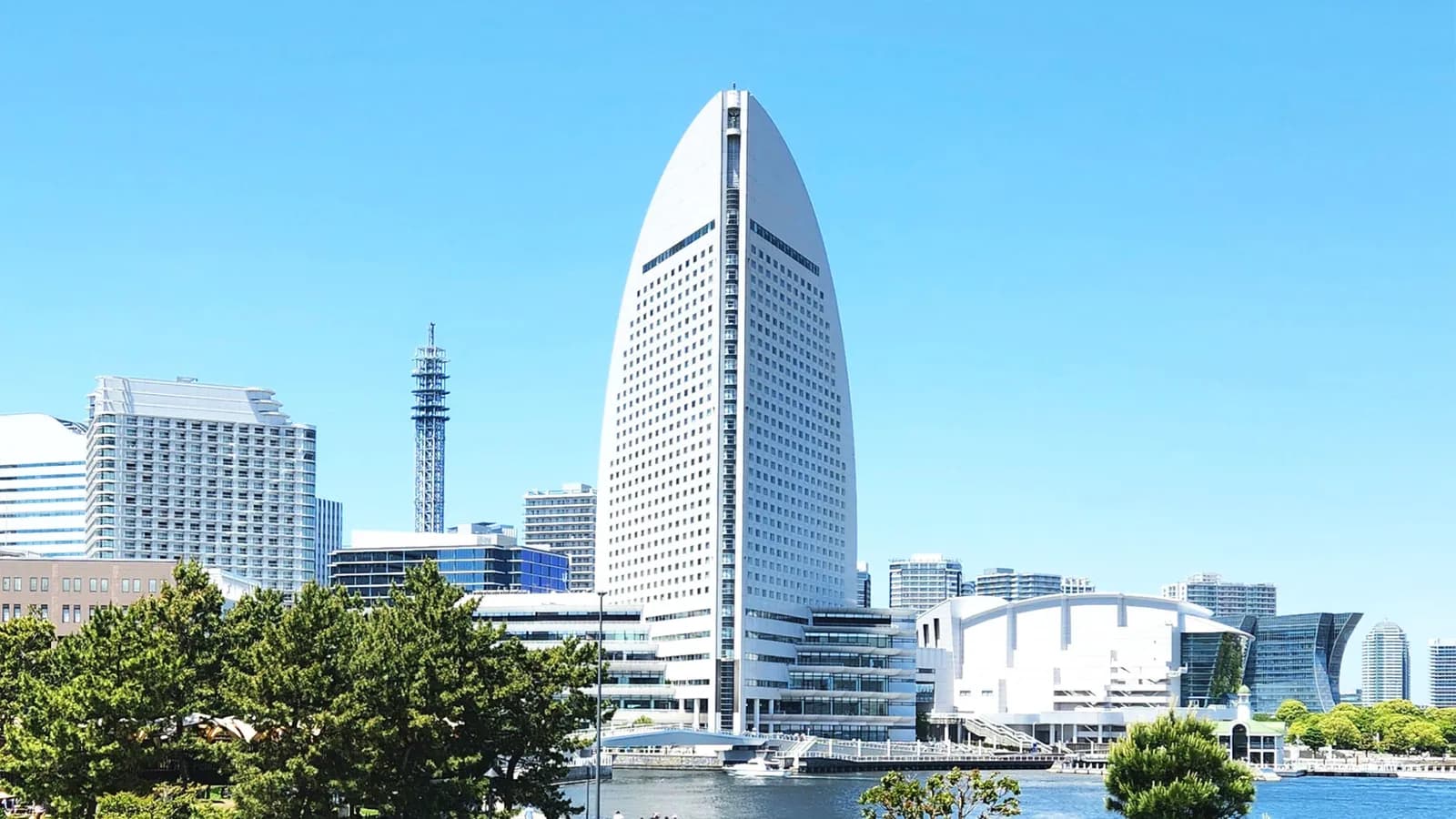
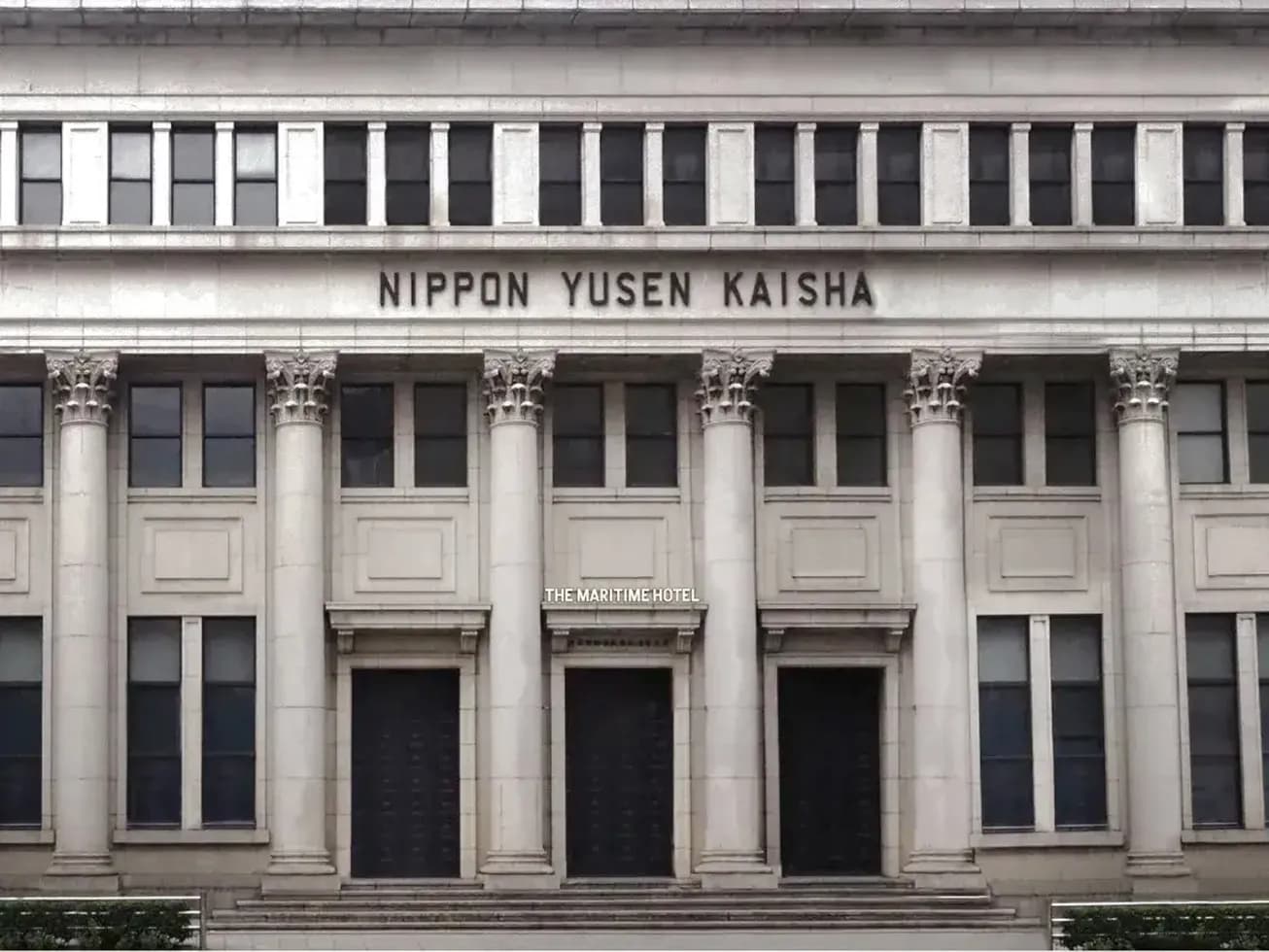
- Yokohama, Minato Mirai district: bay-view hotels, the Pacifico Yokohama convention centre, restaurants for group dinners, and 40 to 60 minutes by coach to the site depending on traffic. It is the most logical base for a seminar combined with the Expo.
- Tokyo: more hotel choice, but one to one and a half hours each way. Best for a day visit within a Tokyo-centred programme.
Sample day for 40 people:
- 8:15am: private coach from Minato Mirai, group tickets and time slot booked in advance, coach parking confirmed;
- 9:30am: entry, guided visit of the Japan Pavilion and the Horticultural Pavilion;
- 12pm: lunch on site (book if the restaurant allows it) or delivered bento;
- 1:30pm: free time in small groups, with a fixed meeting point;
- 4pm: return to the hotel, then dinner on Yokohama Bay.
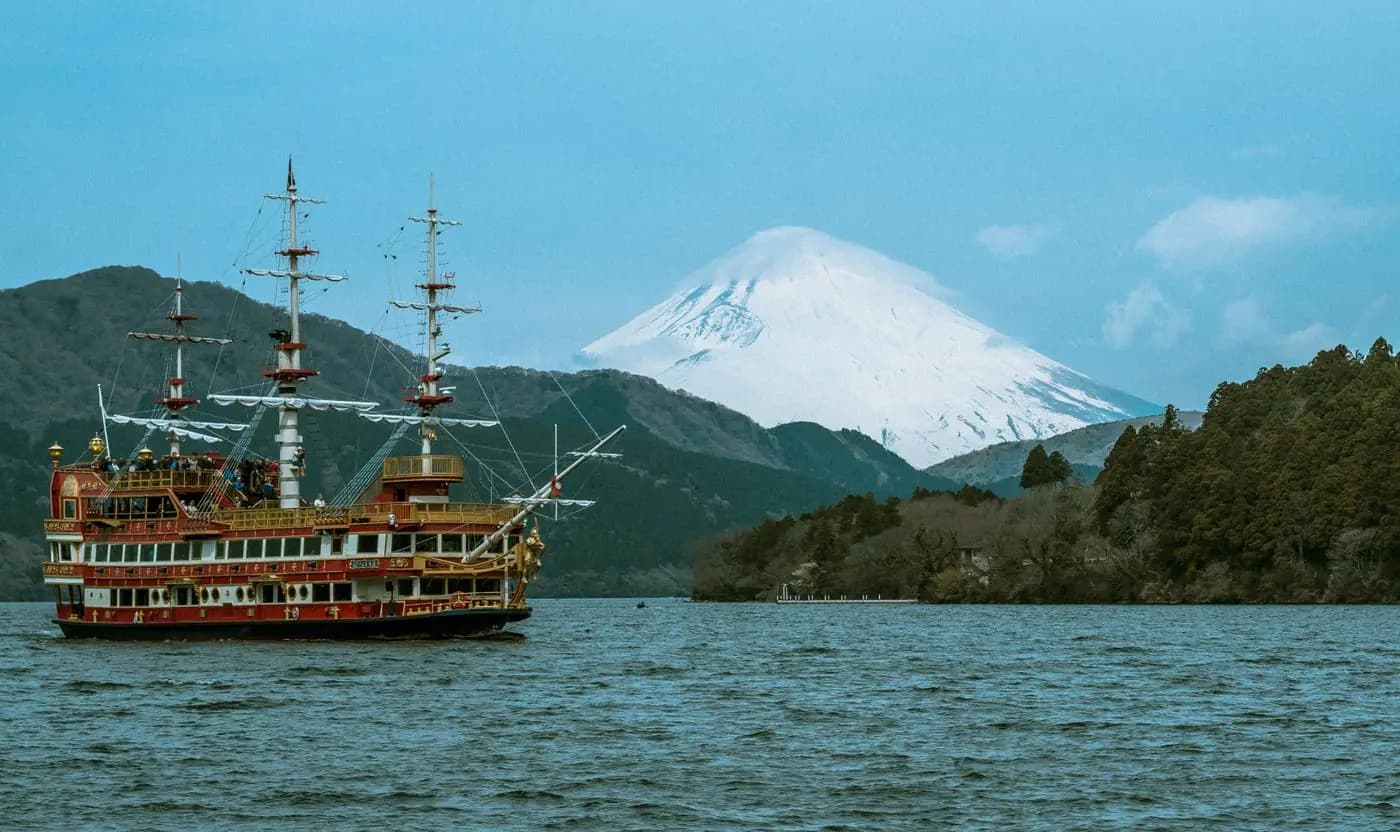
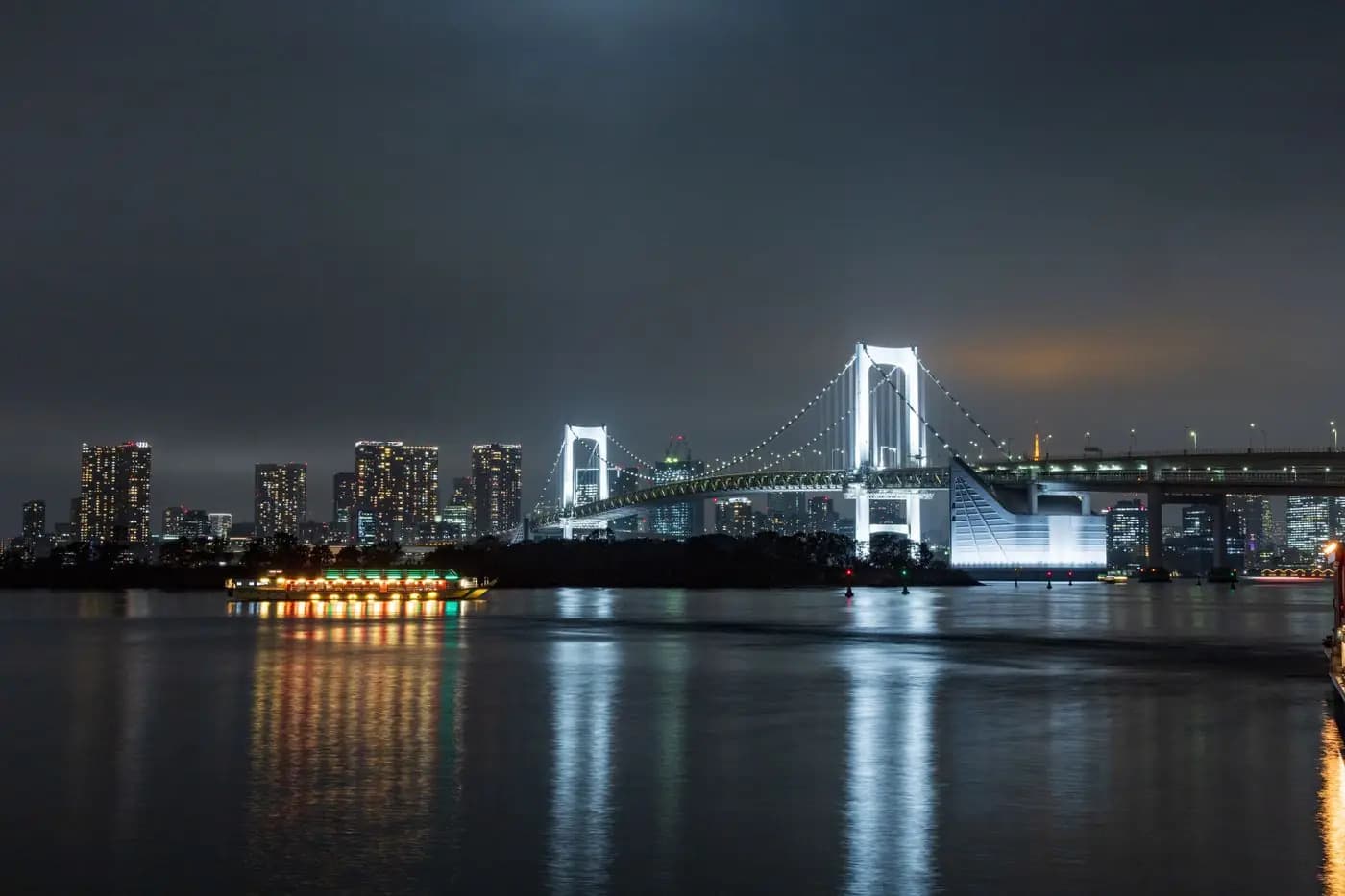
Natural combinations: Kamakura and its temples (one day), Hakone and Lake Ashi (one night in a ryokan), or a Tokyo Bay cruise. For a spring 2027 incentive, a "cherry blossoms in Tokyo, Expo, Hakone" sequence fits into four days.
What to book early: Yokohama hotels for the opening weeks and Golden Week, entry slots, coach parking, and guides who speak your language.
For corporate or institutional delegations coming for a national pavilion or a themed day, SHINOGI DMC can handle accommodation, coaches, slots, guides and dinners, in coordination with the Expo organisers.
Frequently asked questions
When is Expo 2027 in Yokohama?
From 19 March to 26 September 2027, daily from 9:30am to 9:30pm, on the former Kamiseya Communication Facility in Yokohama.
How much is a GREEN×EXPO 2027 ticket?
¥4,900 per adult in advance (until 18 March 2027), ¥5,500 during the Expo, ¥3,500 for entry after 5pm and ¥5,200 for groups of 15 or more. Free for children aged 3 and under.
Do you need to book to visit Expo 2027?
Yes. In addition to a ticket, every visit requires a date and time-slot reservation on the official website. Shuttles and car parks are also booked in advance, since 18 September 2026.
How do you get to Expo 2027 from Tokyo?
By train to one of the four shuttle stations (Seya, Mitsukyo, Minami-machida Grandberry Park or Tokaichiba), then a booked shuttle at ¥200; allow about an hour and a half in total. For a group, a private coach with booked parking is simpler.
Where is the Yokohama Expo 2027 site?
On the former Kamiseya Communication Facility, land returned by the US military in 2015, in Seya and Asahi wards in western Yokohama. The site has no station of its own.
Can you come to Expo 2027 by group coach?
Yes, via the North and West car parks, by reservation only, at ¥10,000 per coach. Dropping off passengers on the roads around the site is not allowed.
Rédaction SHINOGI DMC · Updated
Sources
- GREEN×EXPO 2027 — Site officiel (anglais)
- GREEN×EXPO 2027 — 開催概要 (dates, horaires, superficie, classe A1, objectif de visiteurs)
- GREEN×EXPO 2027 — Admission Tickets Information
- GREEN×EXPO 2027 — 会場への交通アクセス (navettes, autocars, parkings)
- GREEN×EXPO 2027 — Event Overview (thème et sous-thèmes)
- GREEN×EXPO 2027 — Actualités (participations officielles, noms des pavillons)
- Travel Watch — Types de billets et billet groupe dès 15 personnes