Planning a gala dinner in Japan: the essentials
Short answer: a gala dinner in Japan is most often held in the ballroom of a major hotel, at ¥20,000 to ¥40,000 per person including drinks (indicative 2026, before tax and service), or in a unique venue (castle, historic garden, mansion, boat), where the budget depends mainly on venue hire, production and entertainment. Allow 6 to 12 months' lead time for a unique venue, and an evening that ends around 9:30–10 pm.
A gala in Japan has its own codes. The evening is shorter than in Europe, structured around precise sequences (speeches, kanpai toast, show, thanks), and often closes with a collective rhythmic hand-clap. Japanese hotels excel at this format: precision service, top-level French or Japanese cuisine, teams used to awards nights and year-end parties.
This guide covers the formats that work for a foreign group, unique venues and their rules, entertainment, the menu, then budget ranges and the planning timeline. For simpler dinners in a restaurant or a privatised izakaya, our article on booking restaurants for groups in Japan is a better fit.
Eight gala formats that work in Japan
The choice of format depends on group size, the message of the evening and the city. Those we recommend most often:
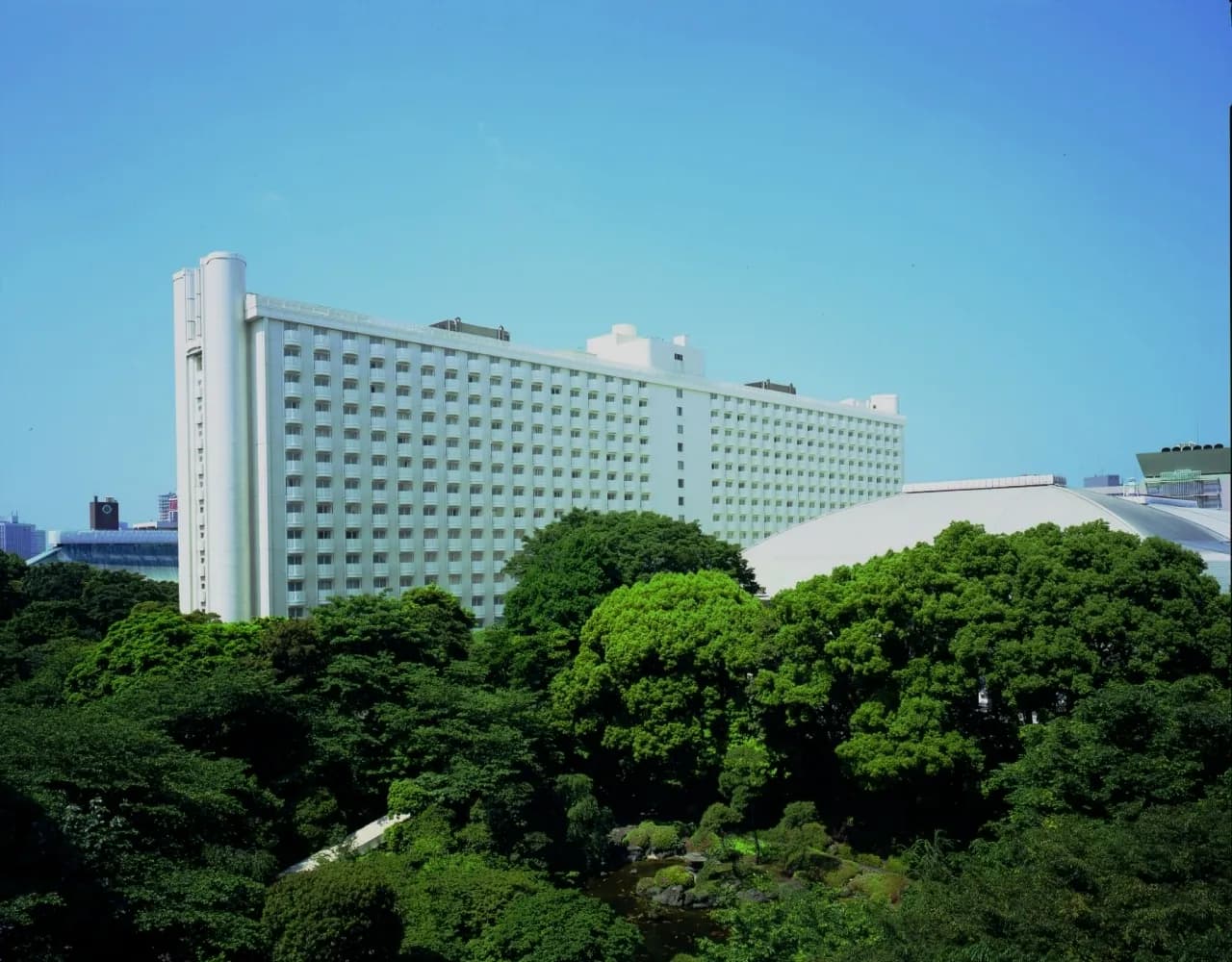
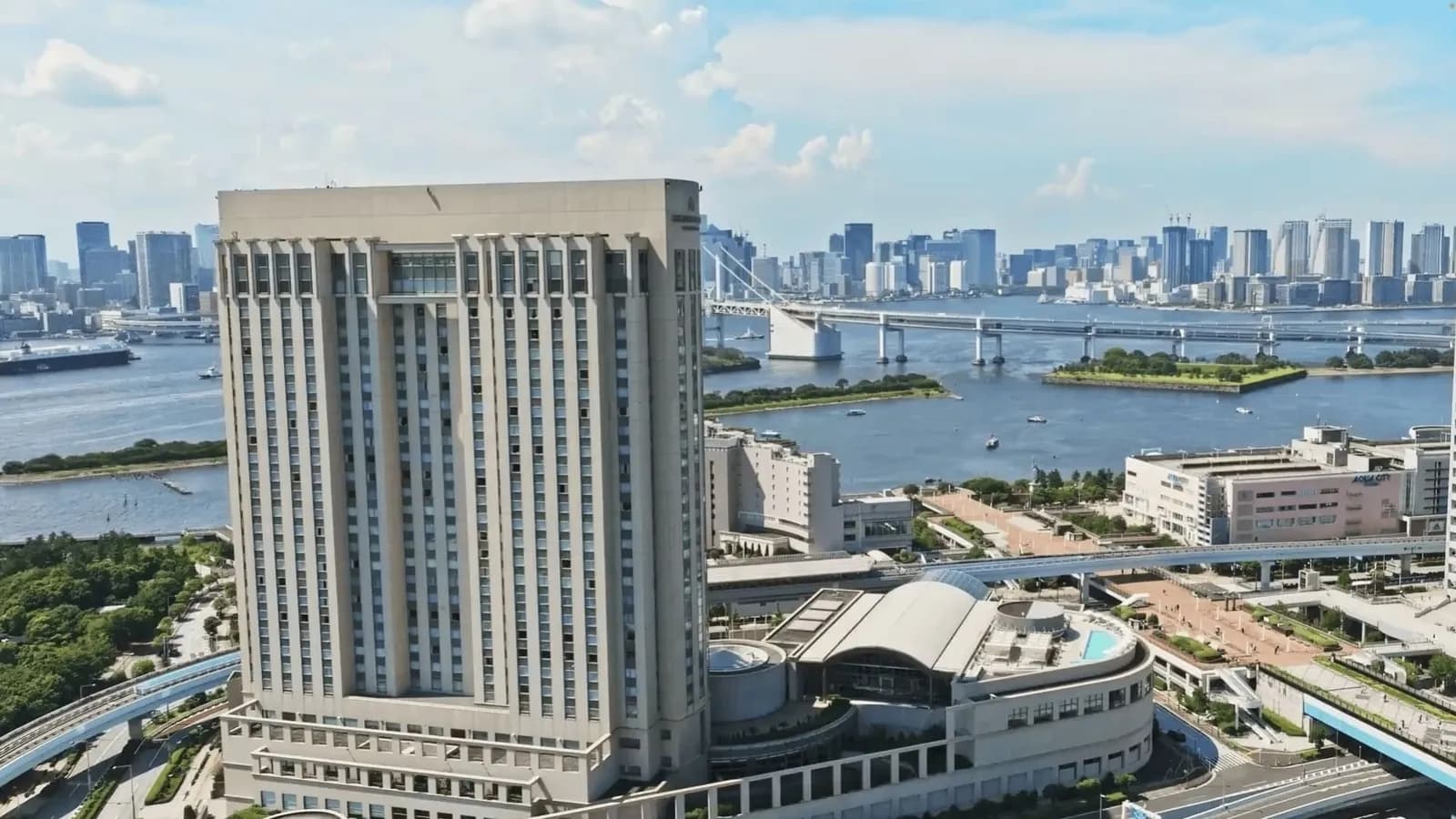
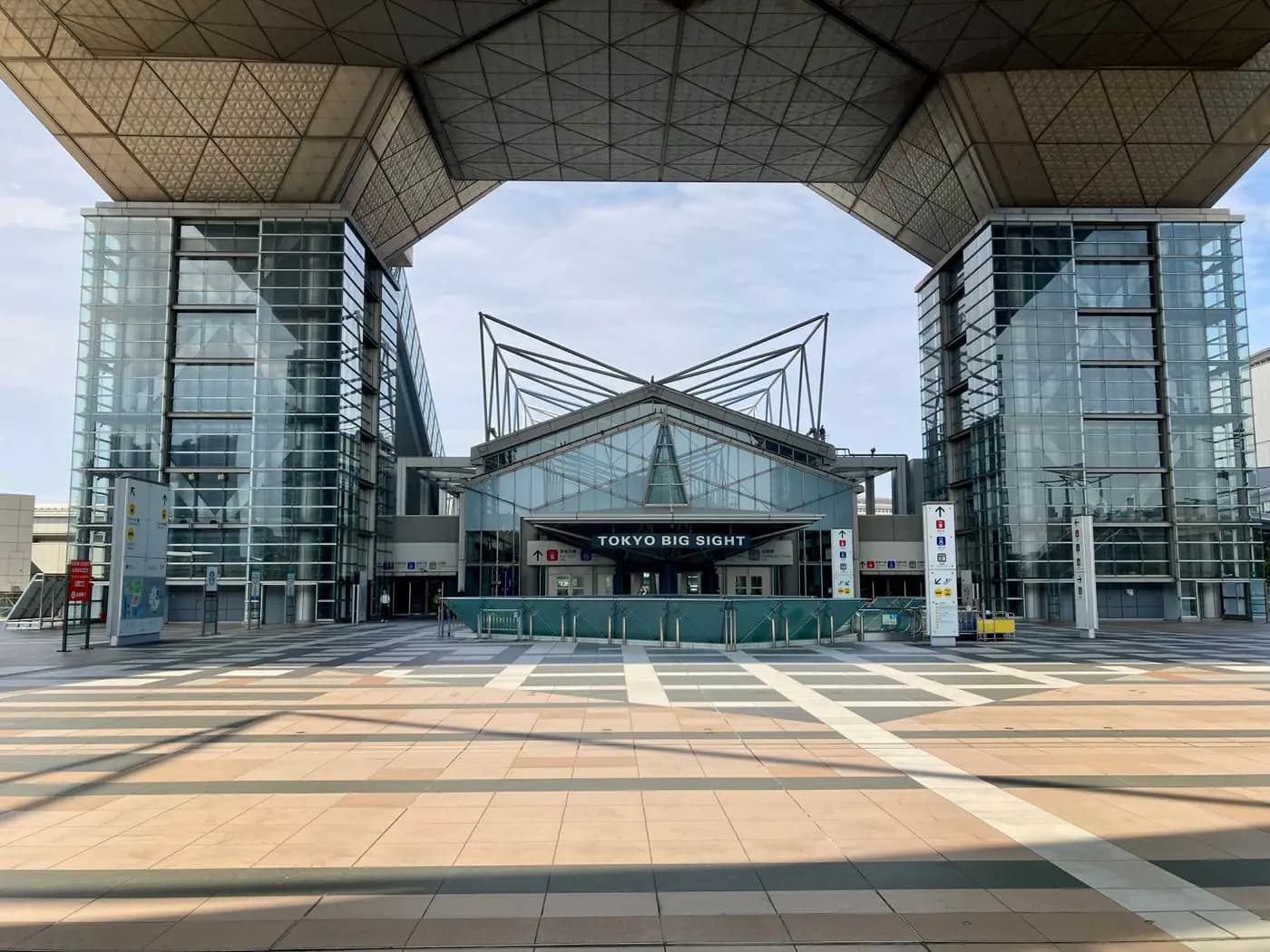
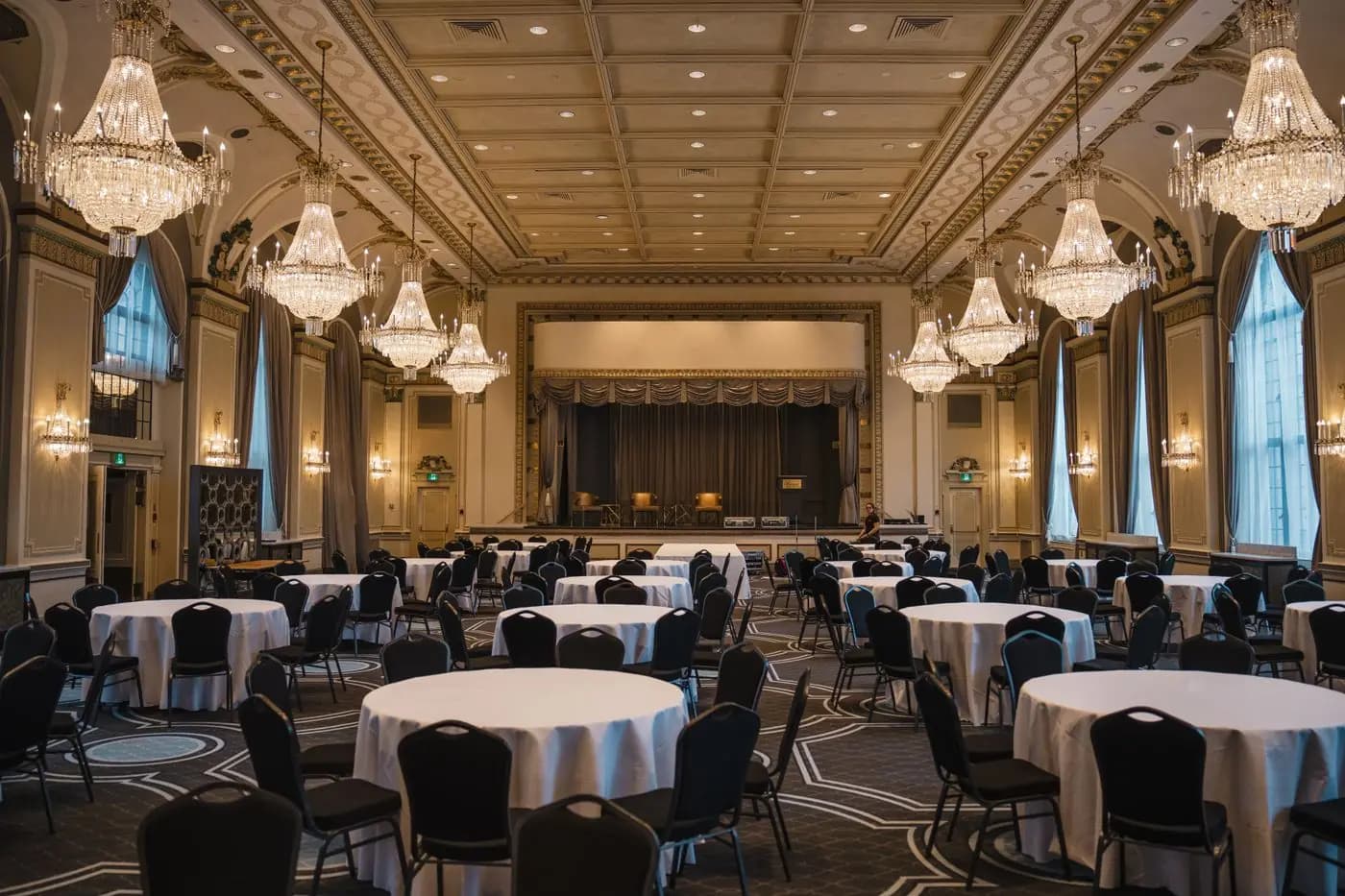
- Hotel ballroom, from 100 to over 2,000 guests: the safest option for an awards night or a convention. In Tokyo, rooms such as Palais Royal at Grand Nikko Tokyo Daiba or the Hiten hall at Grand Prince Hotel Shin-Takanawa host very large dinners.
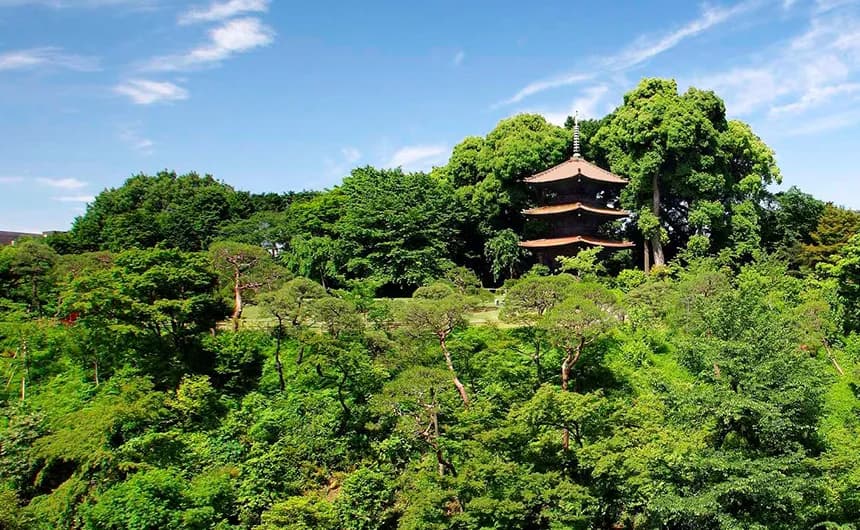
- Estate with a Japanese garden: in Tokyo, Happo-en (Shirokanedai) has some ten banquet rooms around a garden of about 33,000 m² dating back to the Edo period, for up to about 450 guests.
- Converted historic mansion or building: Akasaka Prince Classic House in Tokyo (a 1930 mansion), Fortune Garden Kyoto (former Shimadzu headquarters, 1927), or The Garden Oriental Osaka (former Osaka City Guest House), for roughly 100 to 300 people.
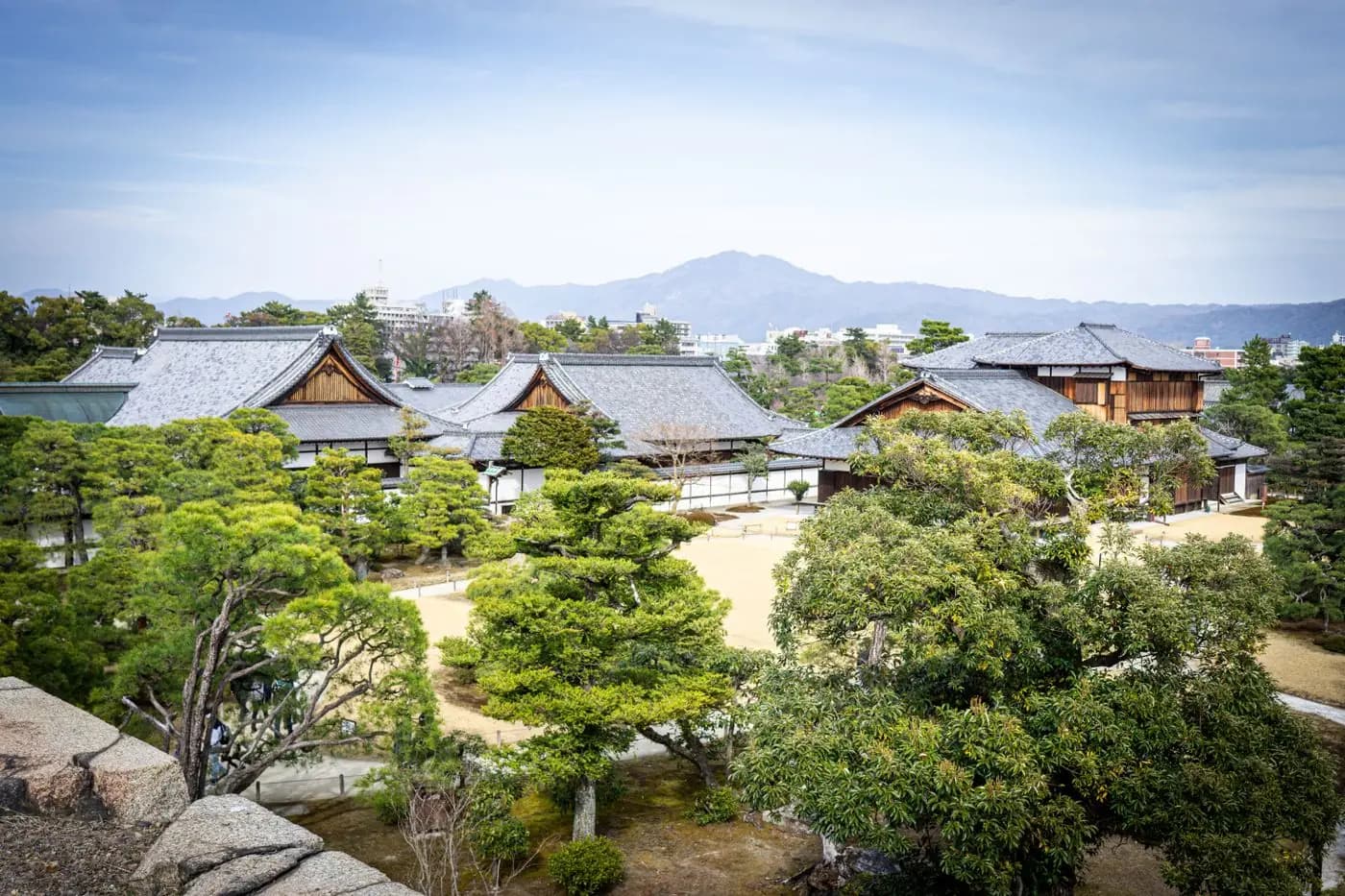
- Heritage site: Nijō Castle in Kyoto, museums, public gardens, through the cities' unique venue programmes. An exceptional setting with strict constraints.
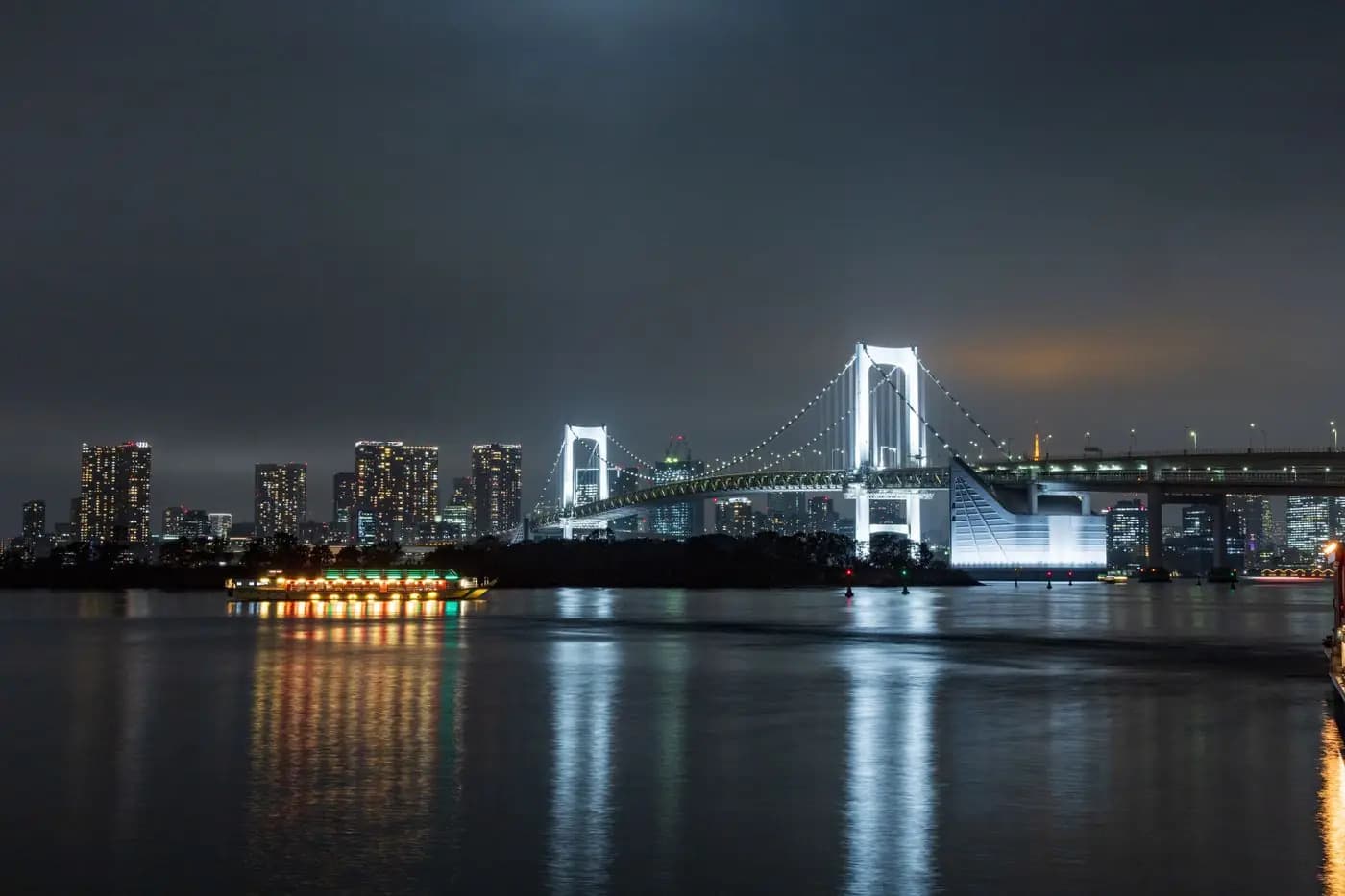
- Cruise: a traditional yakatabune for 20 to 120 people per boat, or a modern restaurant boat on Tokyo Bay for larger groups.
- Private restaurant buyout: a teppanyaki, a Kobe beef restaurant or a ryōtei for 20 to 80 guests, often split across several private rooms.
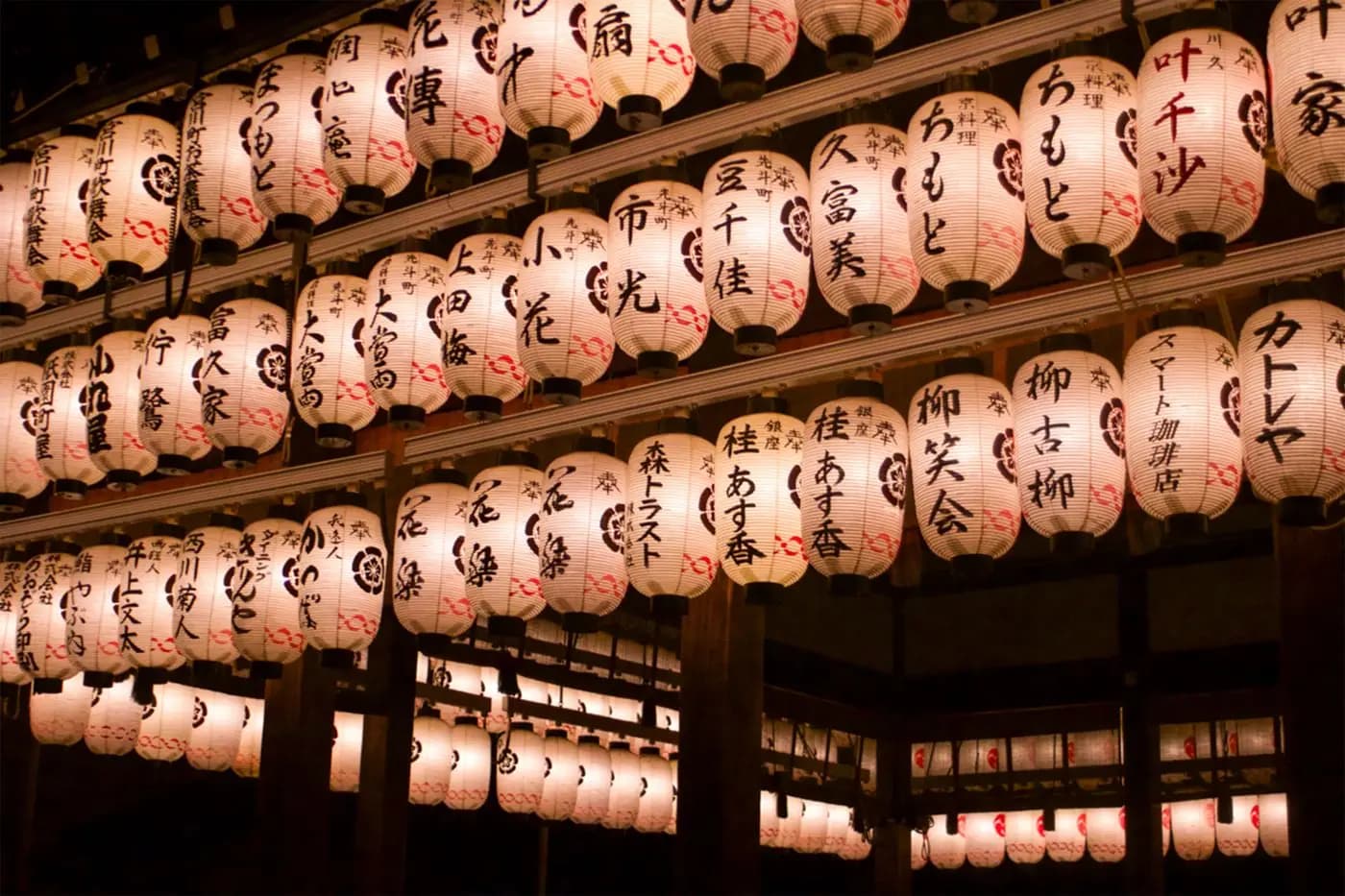
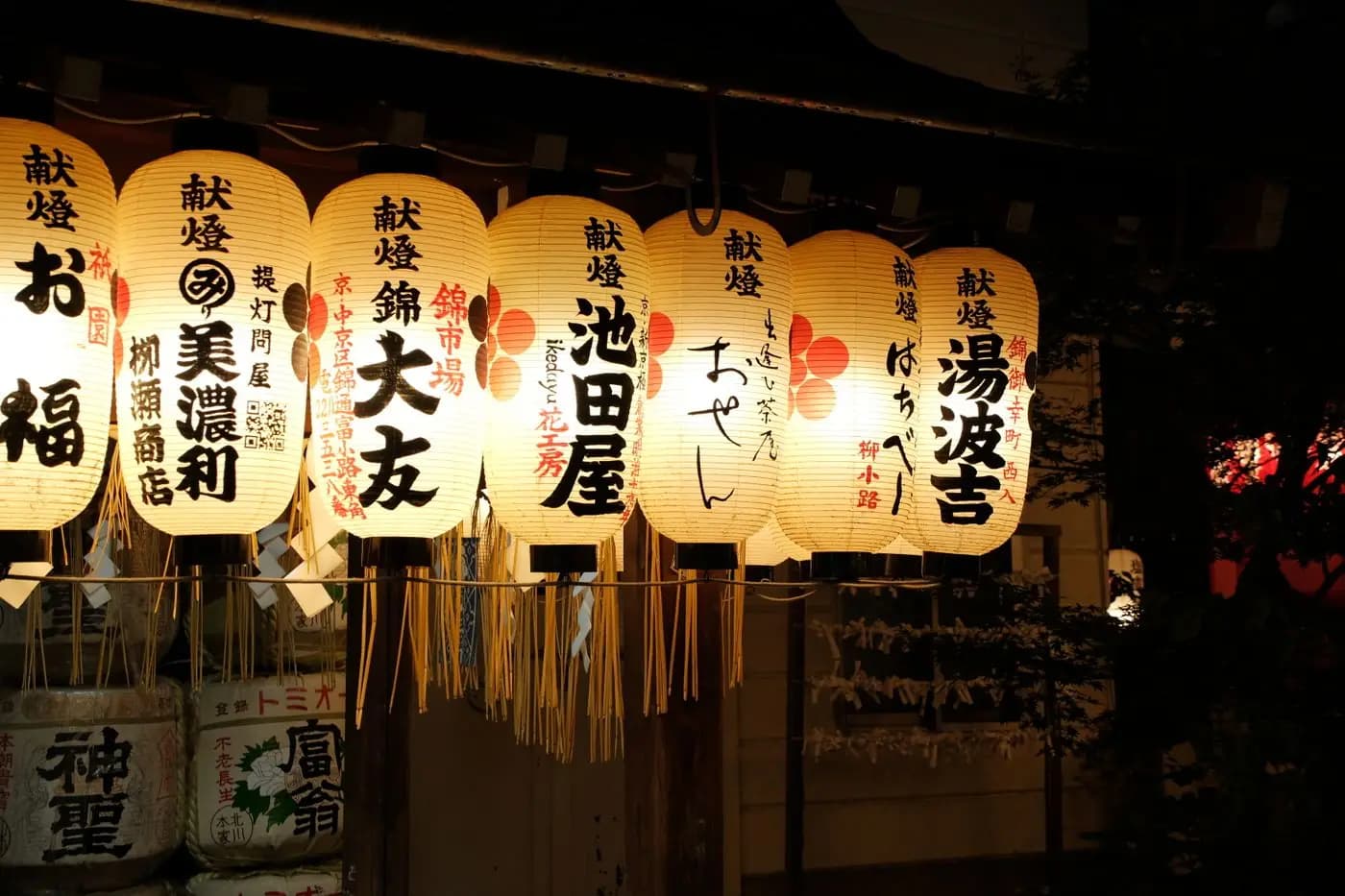
- "Matsuri" gala: street-food stalls (yatai), drums, lanterns and fairground games in a ballroom or garden, very effective for an incentive of 100 to 500.
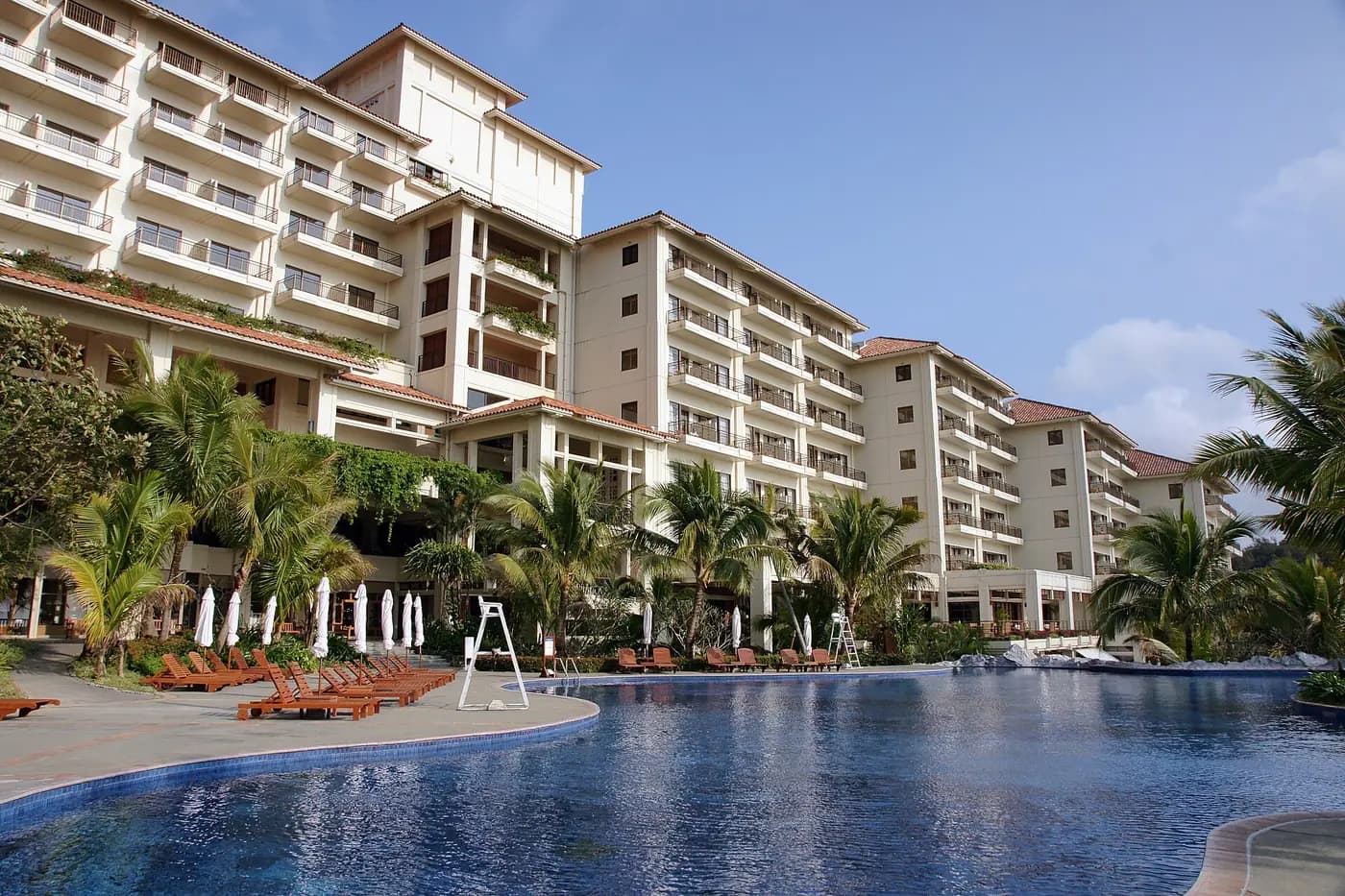
- Okinawa resort: dinner on the beach or on a sea-view terrace, for example at the Bankoku Shinryokan (venue of the 2000 G8 summit) or the large west-coast resorts.
A simple rule to decide: if the evening is mainly about rewarding people and delivering a message, a hotel is more reliable; if it is mainly about leaving a lasting impression, a unique venue is worth the logistical effort.
A gala in a castle, museum or temple: unique venue rules
Japanese cities increasingly open heritage sites to corporate events. It is spectacular, but regulated. The best-documented example is Nijō Castle in Kyoto, a World Heritage Site:
- the City of Kyoto offers a "Nijō-jō Castle MICE Plan" for meetings, training, receptions, exhibitions and events by companies and organisations;
- about fifteen spaces are available, including the Kōun-tei tea house, Seiryū-en garden, the forecourt of the Kara-mon gate and the courtyards of Ninomaru Palace; eating and drinking is allowed in most but not all of them;
- available hours run from 7:30 am to 10 pm, with restrictions on some spaces during public opening hours; the castle is closed from December 29 to 31;
- applications must go through an approved coordinator; a provisional booking is made 3 to 4 months ahead with a project outline, and must be confirmed at least 2 months ahead with a detailed plan;
- fees fund the castle's major restoration, including Ninomaru Palace, a National Treasure.
In Tokyo, the Metropolitan Government's Tokyo Unique Venues portal lists Japanese gardens, museums, temples and shrines, historic halls and observation decks available for events, searchable by capacity and catering options.
Constraints you find almost everywhere:
- no open flames or on-site cooking in listed buildings; food is prepared elsewhere and trucked in;
- an approved caterer or a closed list of suppliers;
- strict times for set-up, end of evening and tear-down, often overnight;
- sound limits, especially outdoors and in residential areas;
- an indoor plan B for any outdoor part (rain, heat, wind).
These venues rarely suit more than 300 to 400 seated guests. For a larger group, combine a cocktail reception at the unique venue with dinner at a nearby hotel.
Gala entertainment in Japan: taiko, maiko, kagami-biraki and shows
Entertainment often makes the difference between a good dinner and an evening people remember. The options foreign groups enjoy most:
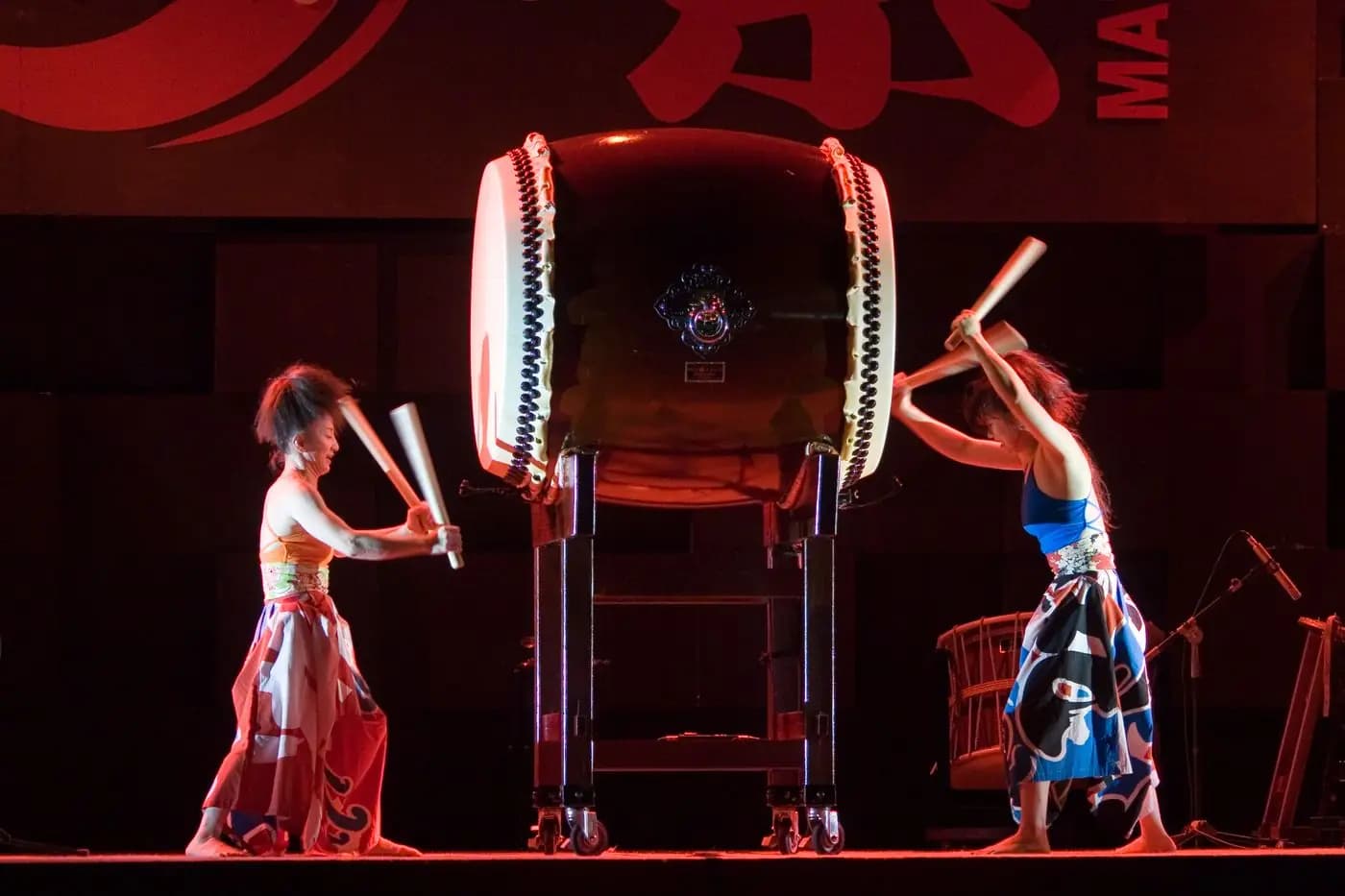
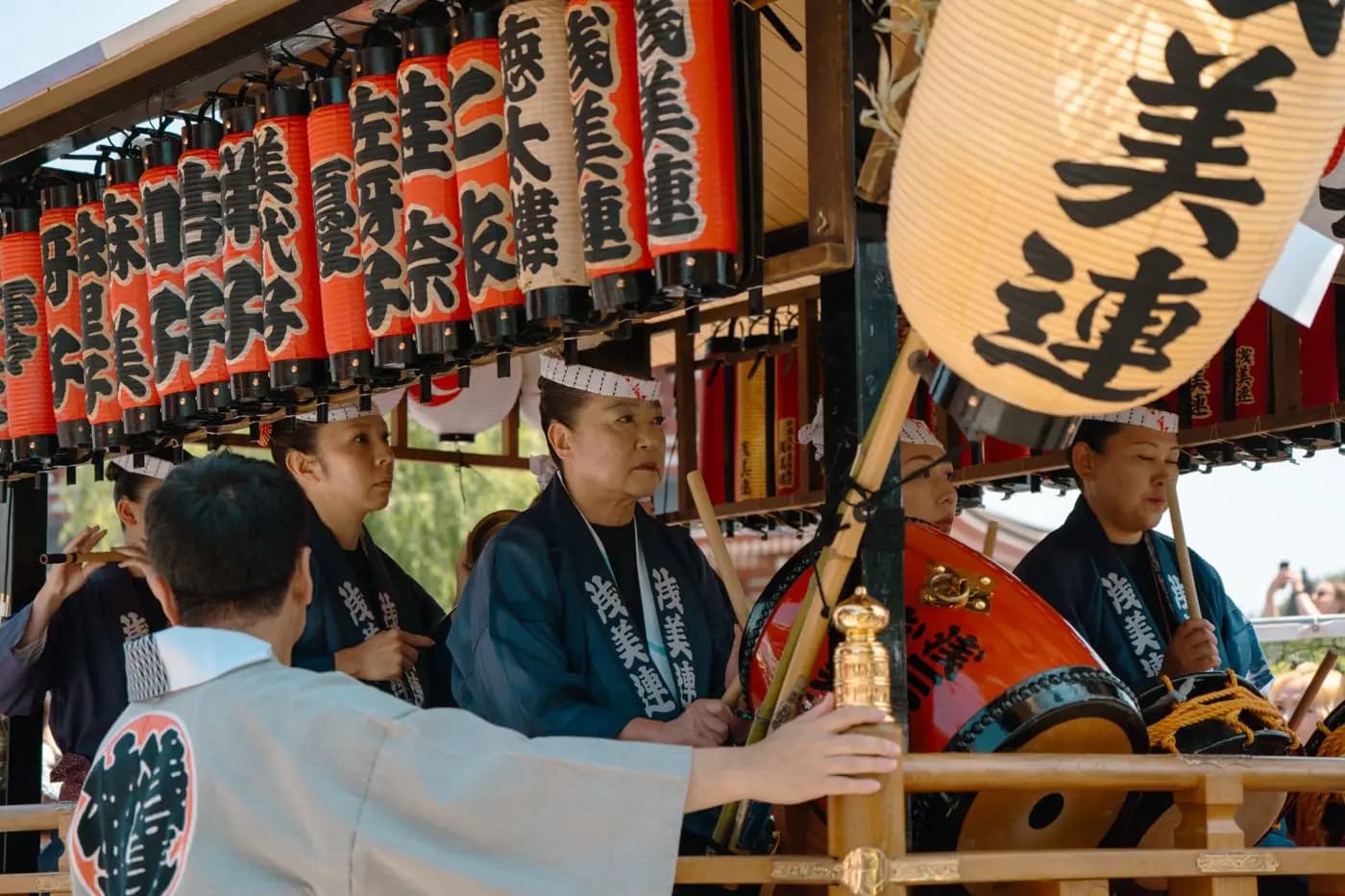
- Taiko: a drum ensemble opening the evening has an instant effect. A participatory version lets guests try the drums themselves (from about €90 per person for 30 to 60 participants, indicative, venue excluded). The noise level means the venue must agree.
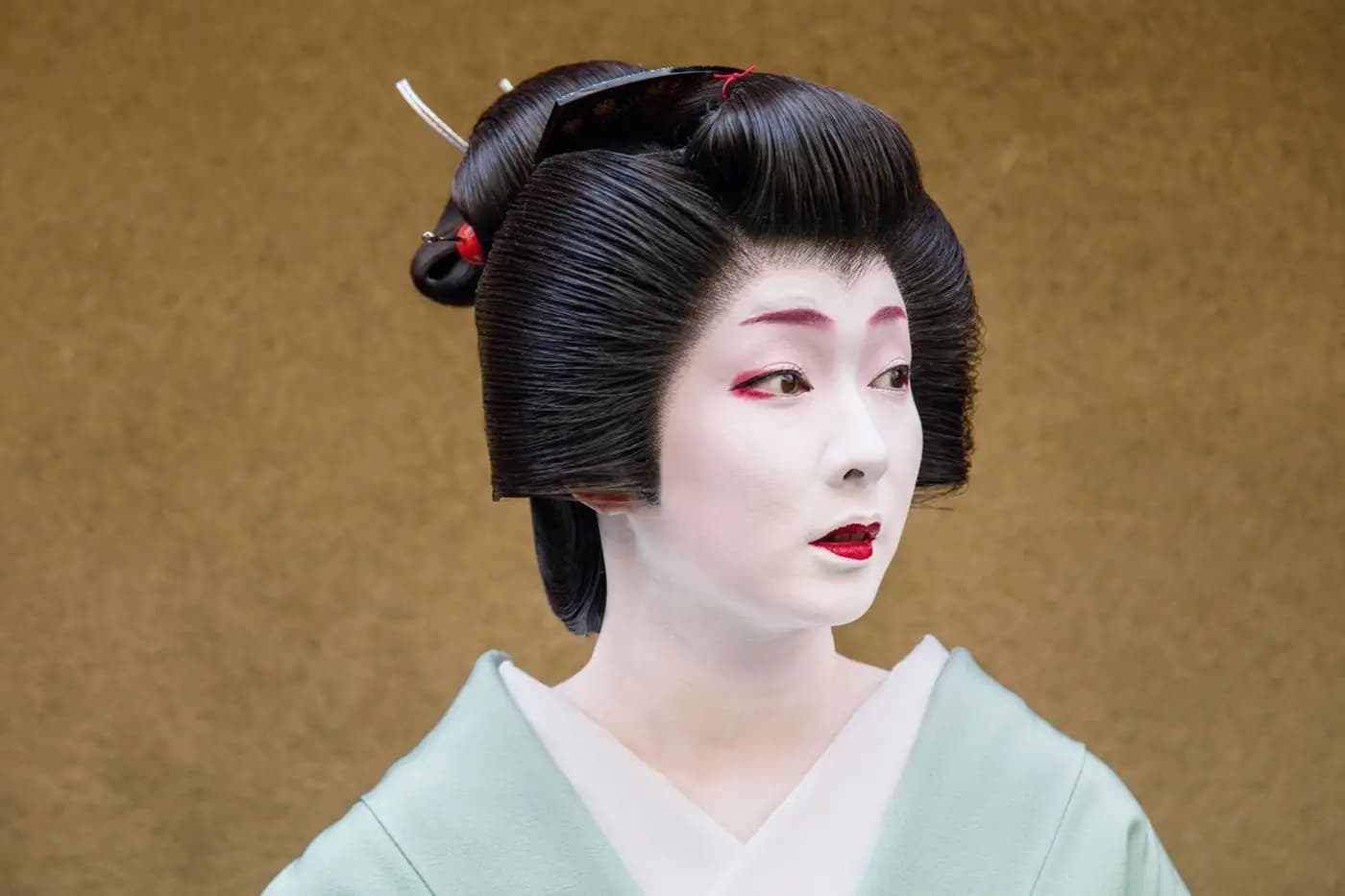
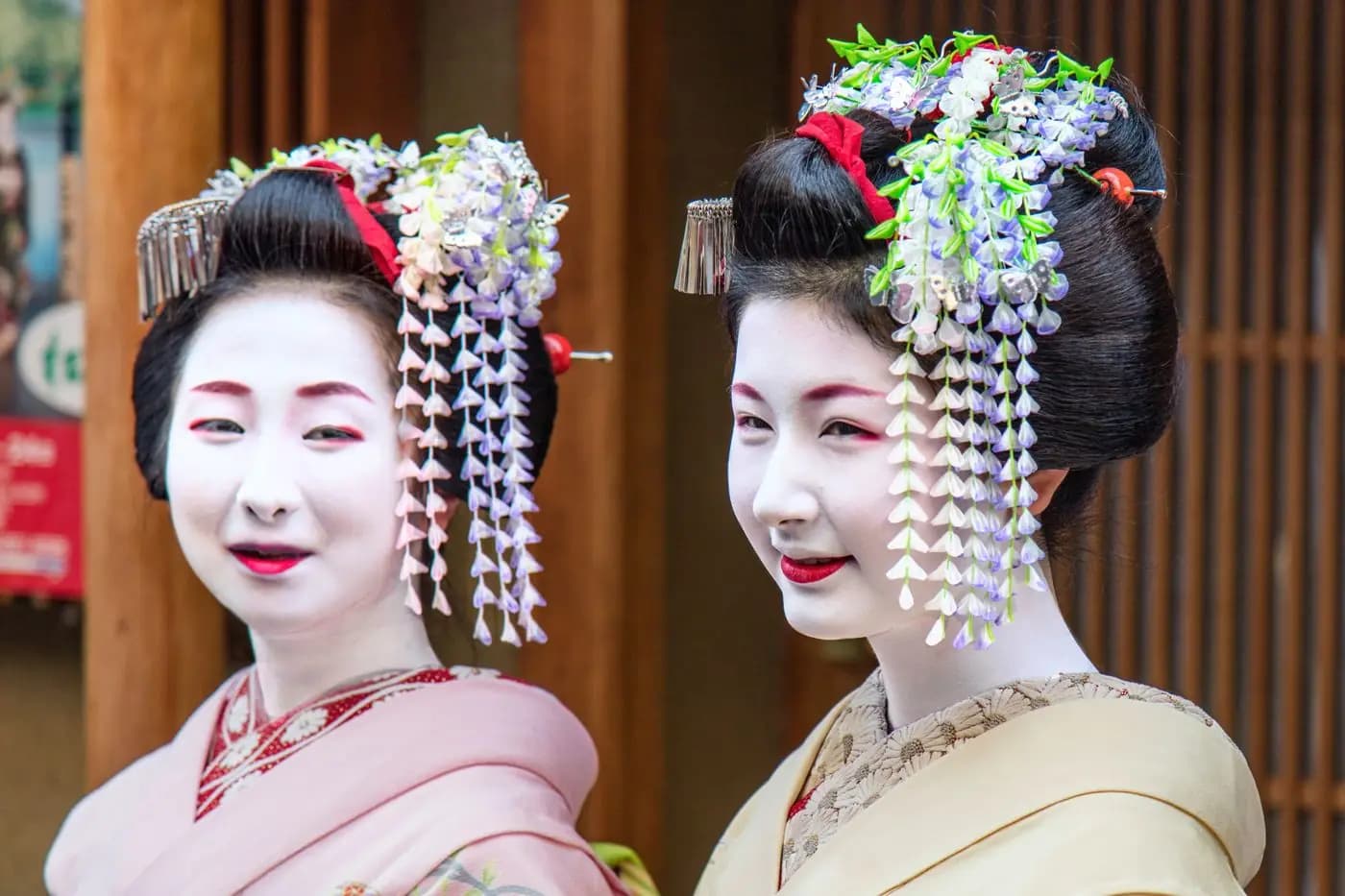
- Maiko and geiko in Kyoto, geisha in Tokyo: dance, music and conversation between tables. In a teahouse this works for 6 to 20 people; for 20 to 80, in a ryōtei or a hotel room with several performers. Benchmark: from ¥45,500 per person in Kyoto and ¥36,500 in Tokyo for a dinner with performance, small group basis. An interpreter is essential.
- Kagami-biraki: executives break open a sake barrel with wooden mallets, followed by a collective kanpai. Five minutes, very photogenic, and an auspicious symbol Japanese partners appreciate.
- Traditional music: shamisen, koto, shakuhachi or flute in the background, more discreet than taiko.
- Demonstrations: giant calligraphy, tuna cutting, swordsmanship (iaidō), sumo exhibitions in some formats.
- Japanese closing: an "ippon-jime" or "sanbon-jime", a rhythmic hand-clap led by a guest of honour, ends the evening with a genuine group moment.
Two practical rules. First, traditional performers have their own etiquette: no physical contact, photos at the agreed moment, and a programme approved in advance. Second, a foreign artist or DJ paid to perform in Japan may need a specific status of residence: our article on Japan business visas covers this.
Menu, drinks and running order: what a Japanese-style gala looks like
A typical running order for a 2.5-hour gala dinner at a Japanese hotel:
- 6:30 pm: welcome, 20 to 30-minute standing reception;
- 7 pm: opening (taiko or video), the CEO's speech, then the kanpai led by a guest of honour; in Japan nobody drinks before the kanpai;
- 7:15–8:30 pm: plated dinner, broken up by an awards segment or a 15 to 20-minute show;
- 8:45 pm: main entertainment, group photos;
- 9:15 pm: thanks, closing with a rhythmic hand-clap;
- 9:30 pm: end, coaches depart or after-party in a bar.
On the menu side, three formulas dominate:
- Grand-hotel French cuisine, four or five courses: reliable and quick to serve for several hundred guests;
- Japanese banquet menu (kaiseki-inspired), often served on trays or in sequences; slower to serve, best for mid-sized groups;
- Buffet or stations, with live counters (sushi, tempura, wagyu teppanyaki, ramen): ideal for a matsuri gala and for getting guests to mingle.
Drinks are usually sold as a 2-hour "nomihōdai" free-flow package (beer, wine, sake, whisky, soft drinks). A sake tasting table adds a welcome cultural touch.
Japan-specific points to watch:
- dietary needs: vegetarian, halal, gluten-free and allergies should be sent 2 to 3 weeks ahead; fish-based dashi is everywhere and soy sauce contains wheat;
- speeches: in English or translated; plan interpretation if Japanese partners attend;
- punctuality: service starts on time; a group arriving 20 minutes late throws off the whole kitchen.
Gala dinner budget in Japan: per-person ranges
No venue publishes a comparable "gala" rate card: the figures below are indicative 2026 ranges per person, before 10% consumption tax and 10–15% service charge, for groups of 50 to 300.
- Gala dinner in a hotel ballroom, 2-hour drinks included: ¥20,000 to ¥40,000. The room is often included above a minimum F&B spend; stage, lighting and video come on top.
- Dinner at a garden estate or historic mansion: similar to or slightly above a hotel for the meal, plus venue and room hire.
- Heritage site (castle, museum, temple): catering by an approved caterer, site hire and heavier production (field kitchen transport, outdoor lighting, generators, security) can double or triple the per-person cost of a hotel gala.
- Private yakatabune: at Funasei (Shinagawa), ¥13,000 to ¥22,900 per person in 2026 depending on the menu, including the cruise, dinner and free-flow drinks, tax included, with a minimum of 15 to 20 guests per boat.
- Entertainment: participatory taiko from about €90 per person for 30 to 60 guests; a maiko evening in Kyoto from ¥45,500 per person in a small group; kagami-biraki with a decorative barrel, a few tens of thousands of yen.
What makes the budget vary:
- the date: December (bōnenkai season), cherry blossom and autumn leaves push prices up and make rooms scarce;
- the day: Friday and Saturday are more in demand than Sunday or Monday;
- production: an LED wall, video capture or bespoke set can exceed the cost of the meal;
- transfers: one 45-seat coach per 40 guests, with waiting time;
- interpretation for speeches and performers.
To see the gala within the whole picture, our guide to seminar budgets in Japan covers accommodation, transfers and other meals.
Timeline and logistics for a group gala in Japan
The lead times we work with:
- 9 to 12 months: choose the venue for more than 200 guests, or for any date in December, spring or November; option the ballroom or unique venue.
- 3 to 4 months: provisional booking at a heritage site such as Nijō Castle, with a project outline; book performers (maiko, taiko) and boats.
- 2 months: final confirmation of heritage venues with a detailed plan; menu, staging, floor plan.
- 3 weeks: dietary requirements, guest list, seating plan, speech texts for the interpreter.
- Day before: technical rehearsal and a run of the coach route.
Three logistics topics that matter more in Japan than elsewhere:
- Coaches: parking is scarce outside historic venues and in city centres; plan drop-offs, waiting slots and rotations. For 200 guests, five coaches rarely arrive at the same moment.
- Dress code: specify "business attire" or "cocktail"; for a tatami room, warn guests that shoes come off.
- Rain: for any outdoor element, write the covered alternative into the contract, with a decision time (often the same morning).
The gala is often when a company also invites its Japanese clients and partners. If so, pay close attention to the seating of guests of honour, the kanpai and the closing: those are the gestures they will remember.
SHINOGI DMC designs and coordinates gala evenings in Japan, from venue search to on-the-night production, working with hotels, unique venues, approved caterers and performers.
Frequently asked questions
How much does a gala dinner in Japan cost per person?
As an indication in 2026, ¥20,000 to ¥40,000 per person for a hotel gala with 2 hours of drinks, before 10% tax and 10–15% service. At a heritage venue, hire and production can double or triple that.
Can you hold a gala dinner in a castle in Japan?
Yes, for example at Nijō Castle in Kyoto through the Nijō-jō Castle MICE Plan: spaces available from 7:30 am to 10 pm, applications via an approved coordinator, provisional booking 3 to 4 months ahead and confirmation 2 months ahead.
What entertainment works for a gala in Japan?
Taiko for the opening, maiko (Kyoto) or geisha (Tokyo) moving between tables, a kagami-biraki (sake barrel opening) for the kanpai, traditional music, and a closing rhythmic hand-clap (ippon-jime).
What time does a gala dinner end in Japan?
Usually around 9:30–10 pm, after about 2.5 to 3 hours. Rooms are hired for strict slots and extensions are charged by the hour. An after-party can follow in a bar.
How far ahead should you book a gala venue in Japan?
9 to 12 months for more than 200 guests or a date in December, spring or November. Performers and boats are booked 3 to 4 months ahead, details (menu, seating) 2 months to 3 weeks ahead.
What is kagami-biraki?
A ceremony in which the lid of a sake barrel is broken open with wooden mallets, then the sake is served for a collective kanpai. An auspicious symbol, it often opens galas, launches and corporate celebrations in Japan.
Rédaction SHINOGI DMC · Updated
Sources
- Nijō-jō Castle (City of Kyoto) — MICE Plan overview, hours and closed days
- Nijō-jō Castle (City of Kyoto) — MICE Plan venues
- Nijō-jō Castle (City of Kyoto) — MICE Plan, how to apply
- Tokyo Metropolitan Government — Tokyo Unique Venues portal
- Happo-en — Banquet locations
- Akasaka Prince Classic House — Venues
- Fortune Garden Kyoto — Party and events
- The Garden Oriental Osaka — Party
- Okinawa Convention & Visitors Bureau — Bankoku Shinryokan
- Business Events Tokyo — Grand Nikko Tokyo Daiba
- Funasei — Yakatabune charter
- Funasei — Yakatabune menus and prices (tax included)