Does Japan work for a dealer incentive trip?
Yes. A dealer incentive trip to Japan works for dealers, distributors and franchisees because the country is safe, punctual and easy to move around in with a mixed group, and because few of your guests will have been there. Plan six or seven nights, a gentle pace and real free time: most guests travel with a spouse, and ages and fitness levels vary widely.
What makes Japan a sound choice for channel partners:
- Easy entry: US passport holders need no visa for a short stay of up to 90 days
- Low friction: safe streets, trains that run on time, no tipping, the same plugs as at home, cards widely accepted in cities
- Variety: Tokyo for energy, Kyoto for temples and gardens, Okinawa for the beach, all within one trip
- Service: hotels and restaurants used to hosting groups with precision
The limits are the flight and the calendar. Guests fly 11 to 14 hours, more with a connection, and the first two days are slow. A trip of four nights is not worth the journey from the United States.
How it differs from a President's Club
A President's Club rewards employees. A dealer trip rewards independent business owners who are also your customers. The programme changes in six ways:
- Nothing is mandatory: you cannot require attendance at a session or a dinner. Every hour has to be worth choosing
- Spouses are full guests: many are co-owners of the business. Design the trip for couples, not for qualifiers plus one
- Wide age range: a first-year franchisee and a dealer near retirement travel together. Plan for the slowest walker without boring the fastest
- Competitors share the trip: some guests compete in neighboring territories. Handle seating plans, room categories and awards with care
- Business content is light: one short brand session and a few words at dinner. This is not a sales kickoff
- Your executives are hosts: plan one host per table at dinners, and brief them to listen more than they present
One point is outside the planner's remit. How the value of the trip is treated for independent dealers and their guests is a tax question. Put it to your tax adviser before you announce the programme, and ask what documentation they will need afterwards.
Pace, free time and optional activities
The most common mistake is to fill every hour. Guests remember what they chose to do. These rules keep a mixed group comfortable:
- One main visit a day: a half-day together, back at the hotel by mid-afternoon
- Two versions of each outing: temples and gardens mean steps, gravel paths and shoes off at the door. Offer an active route and an easy one, give walking distances in advance, and keep the coach close
- Real free time: one full free day and at least two free afternoons in a week, with a guide on call at the hotel for ideas and bookings
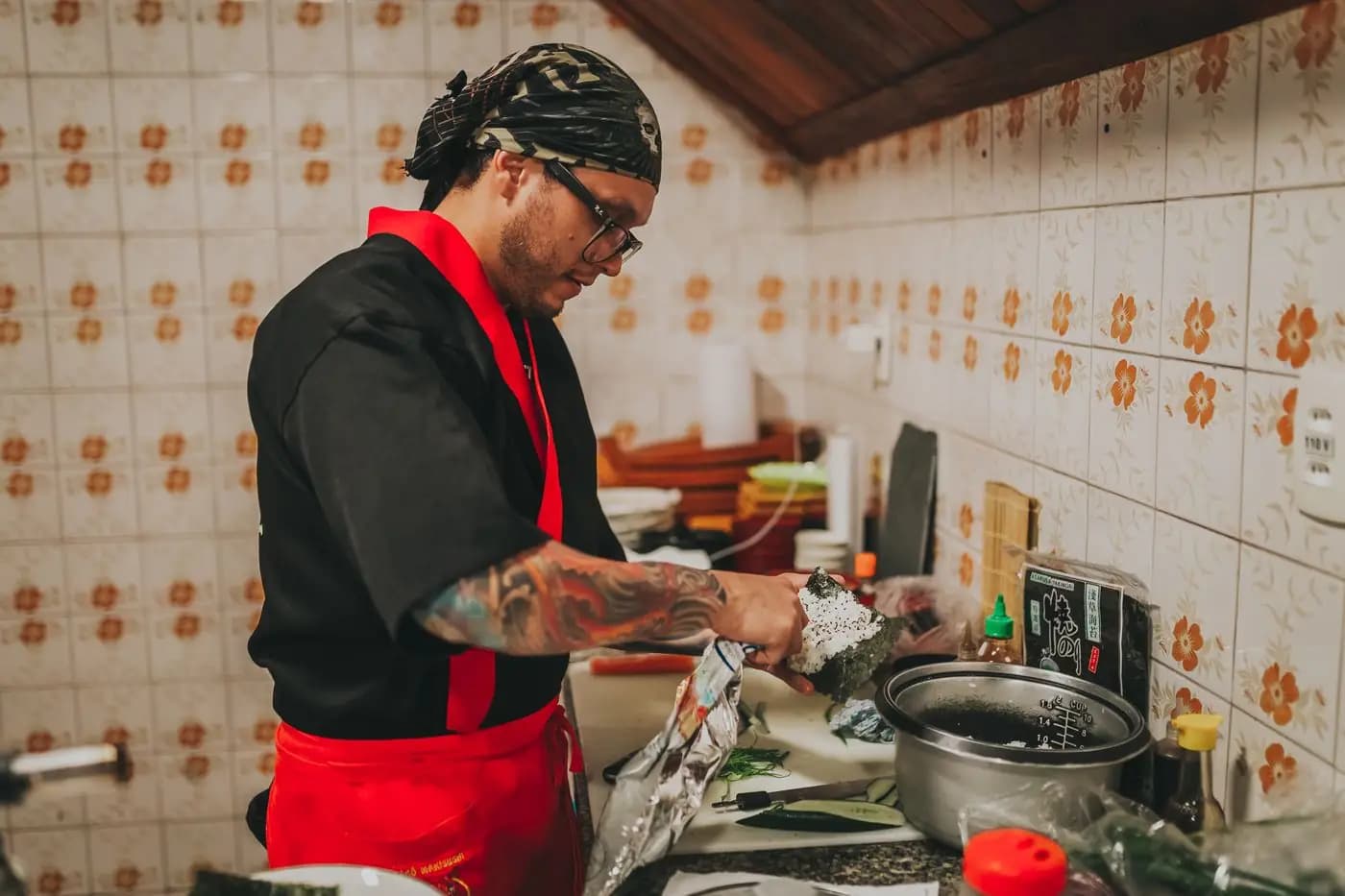
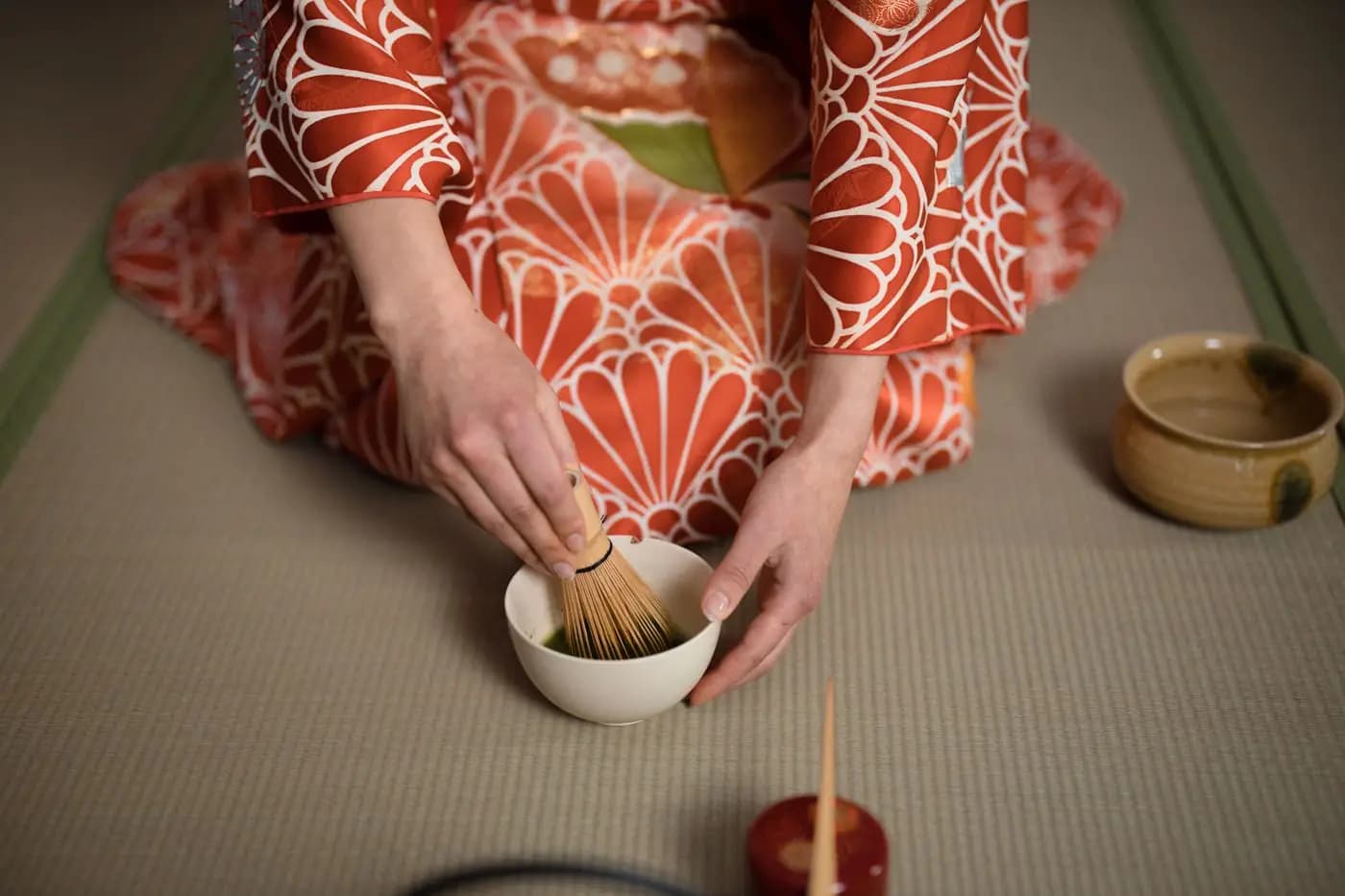
- Options by sign-up: a sushi class, a sake tasting, a tea ceremony, a visit to a sumo stable, calligraphy or a kimono fitting, in small groups
- No more than two hotels: every hotel change costs half a day. Luggage can travel separately by road between cities, so guests board the train with a day bag
- Food: alternate Japanese dinners with Western ones, and collect dietary needs and allergies two to three weeks before arrival
- Arrival: no early start and no long dinner on the first two days
Tell guests before departure how much walking each day involves. Those with limited mobility then choose with confidence, and nobody is surprised on site.
A seven-night outline: Tokyo and Kyoto
- Day 1: departure from the US
- Day 2: afternoon arrival in Tokyo, transfer, casual dinner at the hotel
- Day 3: late start, gentle guided tour of the city, free afternoon. Welcome dinner hosted by your executives
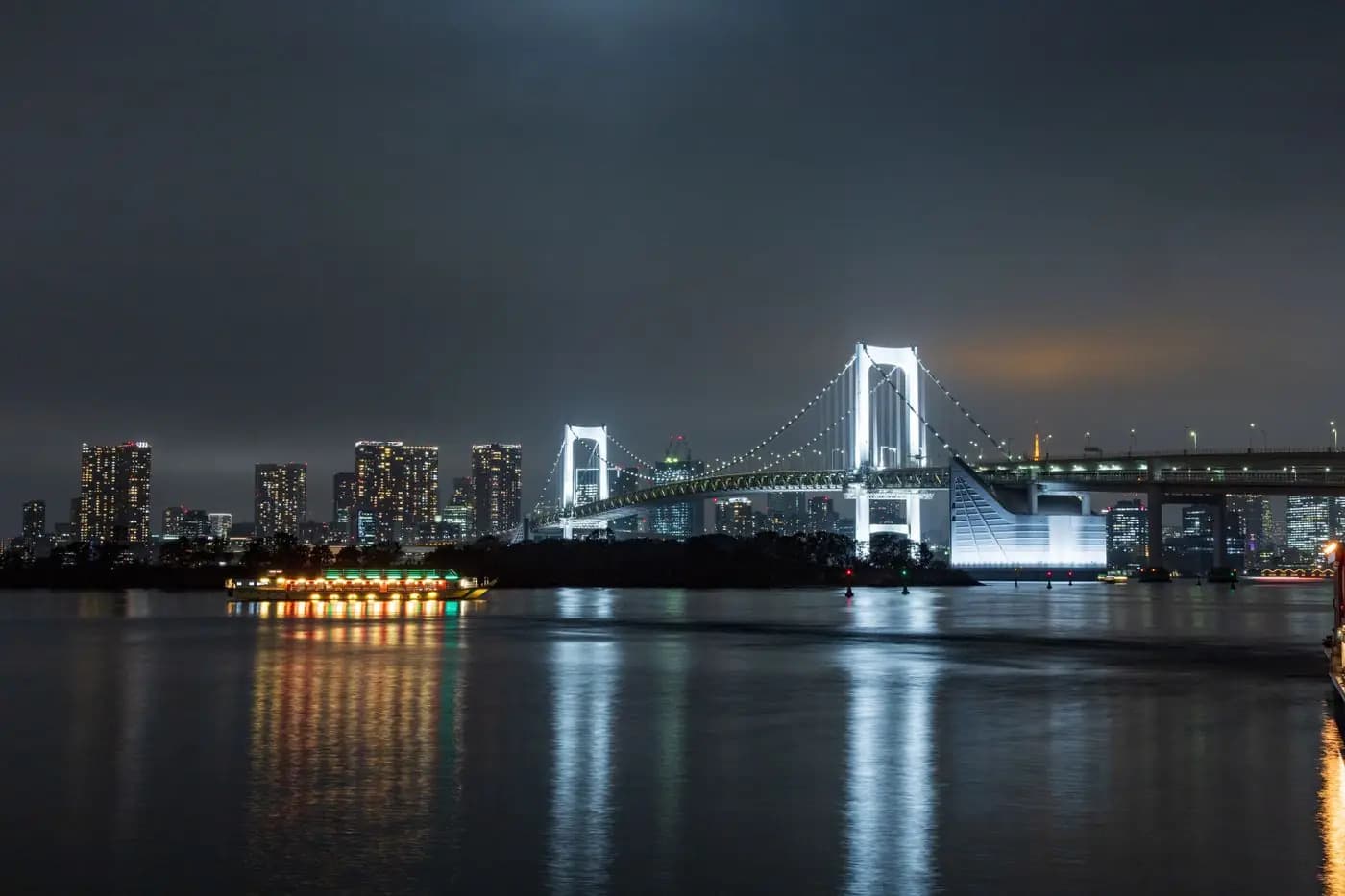
- Day 4: choice of morning activities by sign-up, free afternoon, evening cruise on Tokyo Bay
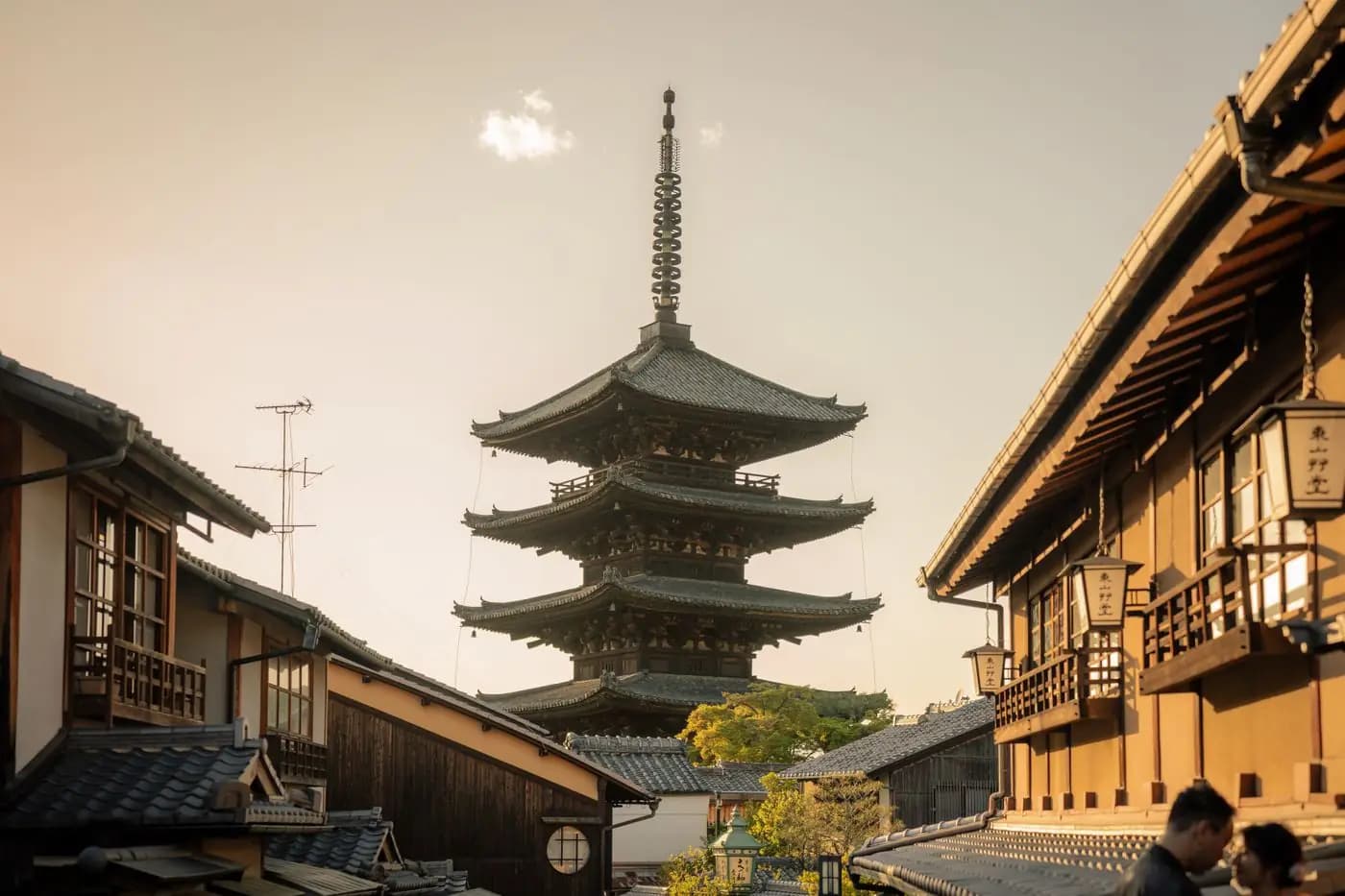
- Day 5: bullet train to Kyoto, about 2 h 15. Afternoon in a temple and its garden, dinner in small groups
- Day 6: brand session of 60 to 90 minutes in the morning, then tea ceremony or craft workshops. Free evening
- Day 7: full free day, with an optional excursion to Nara
- Day 8: free morning, then the gala dinner with awards and a maiko performance
- Day 9: flight home from Osaka Kansai or from Tokyo, landing the same calendar day
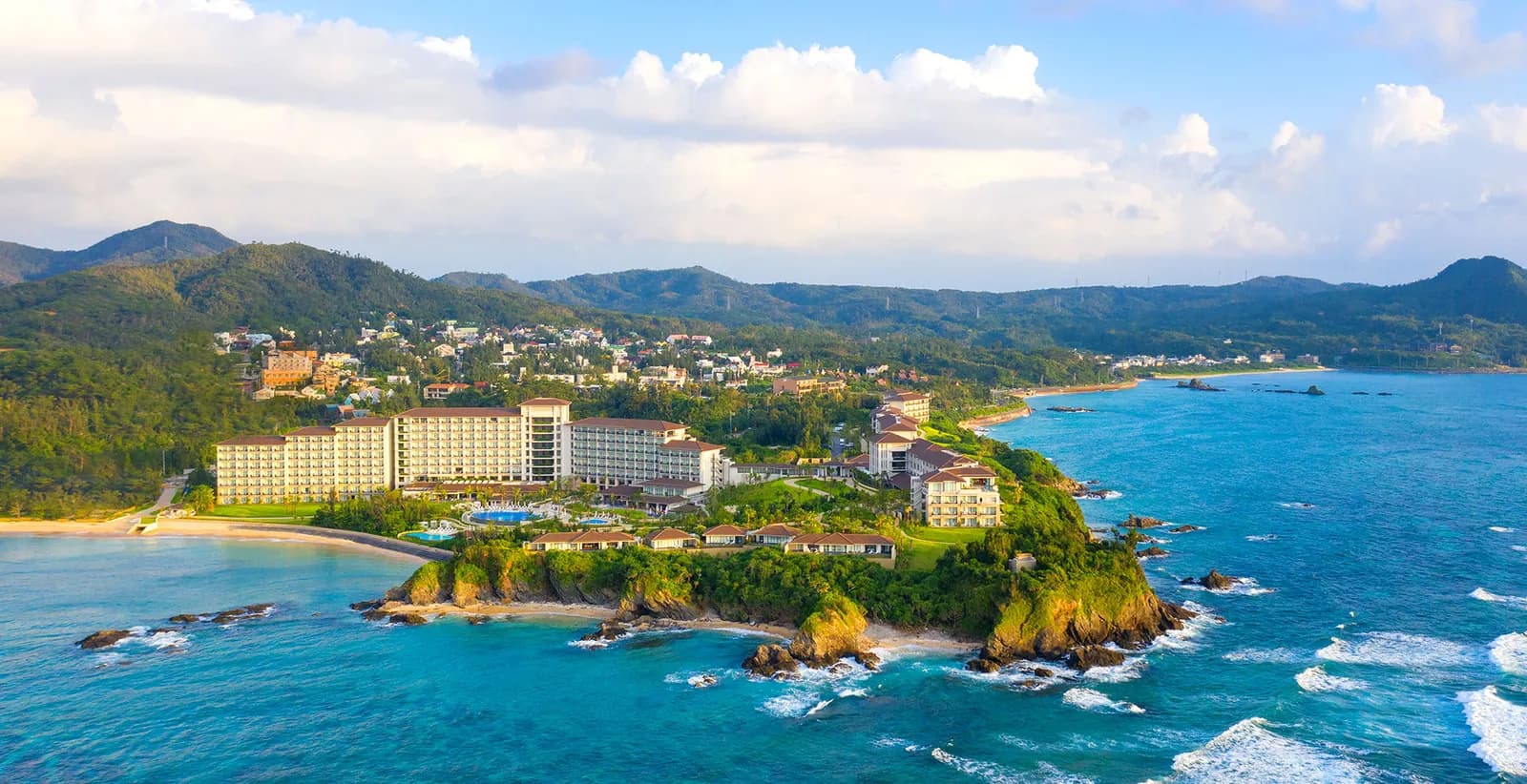
Two other shapes work. Tokyo with Hakone suits a small group that wants hot springs and a ryokan night. Okinawa suits dealers who expect a beach: it is reached by a domestic flight of about 2 h 45 to 3 h from Tokyo.
Dealers fly from many home airports. More than a dozen US airports have nonstop flights to Tokyo; from the others, plan one connection. Schedules were checked in November 2026 and change every season.
Brand moments that do not feel like a meeting
A dealer trip has to strengthen the relationship with the brand without turning into a conference. Five moments carry it:
- The welcome dinner: a short speech by the most senior host, then time at the tables. Seat one executive with every group of dealers
- The brand session: 60 to 90 minutes, once, in the morning. Results, what is coming next, and an open question time. Spouses are invited, not required
- Room gifts: a small local object each evening with a handwritten card works better than one large logo item. Japanese crafts travel well: chopsticks, ceramics, incense, textiles
- Recognition at the gala: bring couples on stage together, name the business and not only the owner, and keep the ceremony under 30 minutes
- Photos: a photographer on the key days, and a private gallery sent within the week after the trip
Keep branding discreet outside the hotel. Temples, shrines and traditional restaurants often restrict signs, banners and photography, so ask before you plan a logo backdrop. The private dinners and the hotel ballroom are the right places for stage, screen and sound.
Dealers should come home with the feeling of having been guests, not delegates.
Budget references and timeline
Published incentive programmes on this site give starting points, per person and excluding international flights:
- From €3,400: four-day Tokyo and Kyoto incentive for 30 to 150 participants
- From €3,200: five-day Okinawa incentive for 30 to 200, or Kyoto and Nara cultural incentive for 20 to 100
- From €4,200: Tokyo and Hakone incentive for 20 to 40
- From €9,600: grand tour of Japan for 15 to 60
A seven-night trip for US dealers runs longer than the four-day and five-day formats, so add the extra nights. Prices are quoted in yen locally, with 10 % consumption tax and no tipping. The figures on this site are in euros.
Work back from the travel date:
- 12 months or more: destination, dates and hotels for 100 people or more, or for cherry blossom and November dates
- 6 to 9 months: groups of 30 to 100. Airline group desks usually take bookings from 10 passengers on the same flights
- 4 months: winners confirmed. Check that every guest holds a passport valid for the whole stay
- 2 to 3 weeks: dietary needs, activity sign-ups, rooming list
For value, look at late May to June and early December. July and August are hot and humid, and September carries the highest typhoon risk.
Frequently asked questions
How long should a dealer incentive trip to Japan be?
Six or seven nights on the ground for Tokyo and Kyoto, and never fewer than five from the United States. The first two days are for recovery.
Can dealers bring their spouses on an incentive trip to Japan?
Yes, and the trip should be designed for couples. Spouses with a US passport are visa-exempt for short stays of up to 90 days; other nationalities should check Japan's visa exemption list.
Is Japan suitable for guests with limited mobility?
Yes, with planning. Temples and gardens have steps and gravel, so offer an easy version of each outing, keep the coach close and state walking distances in advance.
When is the best time for a dealer incentive trip to Japan?
Late March to early April and November are the most scenic and the most expensive. Late May to June and early December give better value. Avoid Golden Week, Obon and the New Year period.
How much does a dealer incentive trip to Japan cost per person?
Excluding international flights, published incentive programmes start from €3,200 per person for Okinawa or Kyoto and Nara, and from €3,400 for Tokyo and Kyoto. A seven-night trip costs more than these four-day and five-day formats.
Rédaction SHINOGI DMC · Updated