What is the best time to visit Japan for a US corporate group?
The best time to visit Japan for a corporate group from the US is January and February for sales kickoffs and the best rates, late May to mid-June for incentives, and early December for a year-end reward. Cherry blossom season and Thanksgiving week are the most beautiful dates and the most expensive.
A US planner works with two calendars at once. The American one sets when people can leave: fiscal year-end, kickoff season, school breaks and federal holidays. The Japanese one sets what the group finds on arrival: prices, crowds, weather and closures.
- Best rates: January and February
- Good value outside winter: late May to mid-June, and early December
- Best scenery, highest prices: late March to early April, and November
- Avoid: Golden Week (April 29 to May 5), Obon in mid-August, and December 29 to January 3
The sections below take the main US dates one by one. Lead times matter as much as dates: we recommend 12 months or more for groups above 100 or for peak season, 6 to 9 months for 30 to 100 people, and 3 to 6 months for fewer than 30 off-peak.
January to March: kickoff season, spring break and the Japanese fiscal year-end
January and February are when many US companies hold their sales kickoff, and they are also Japan's best-value months. Hotels and banquet rooms have space, rates are at their lowest, and Tokyo is cold but usually dry and clear. Start after January 3: many restaurants and venues close for the New Year period.
- Tokyo and Kyoto: plenary rooms and private dinners are easier to secure than at any other time
- Okinawa: milder than the mainland in winter, and a base for a kickoff in a resort setting
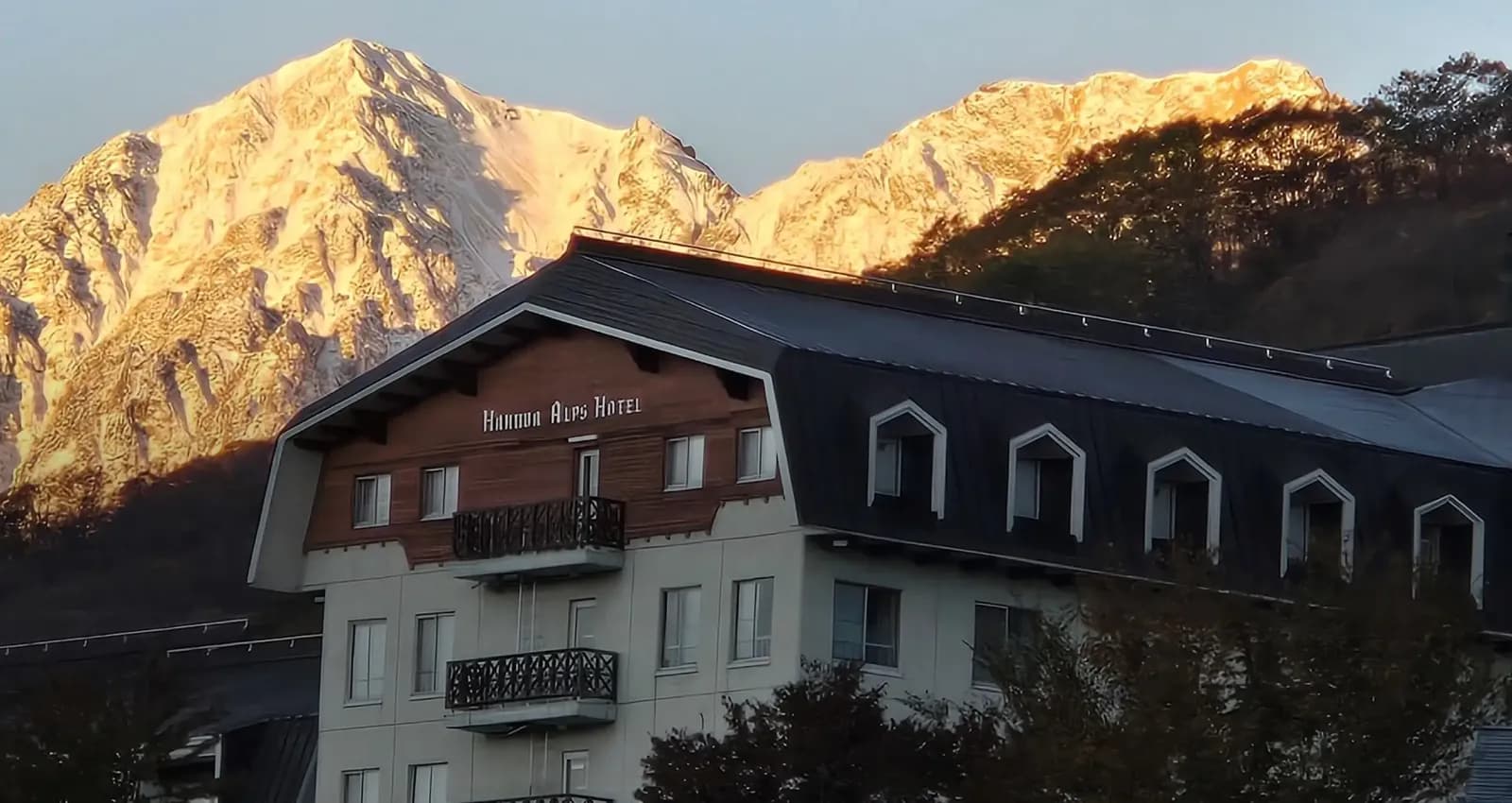
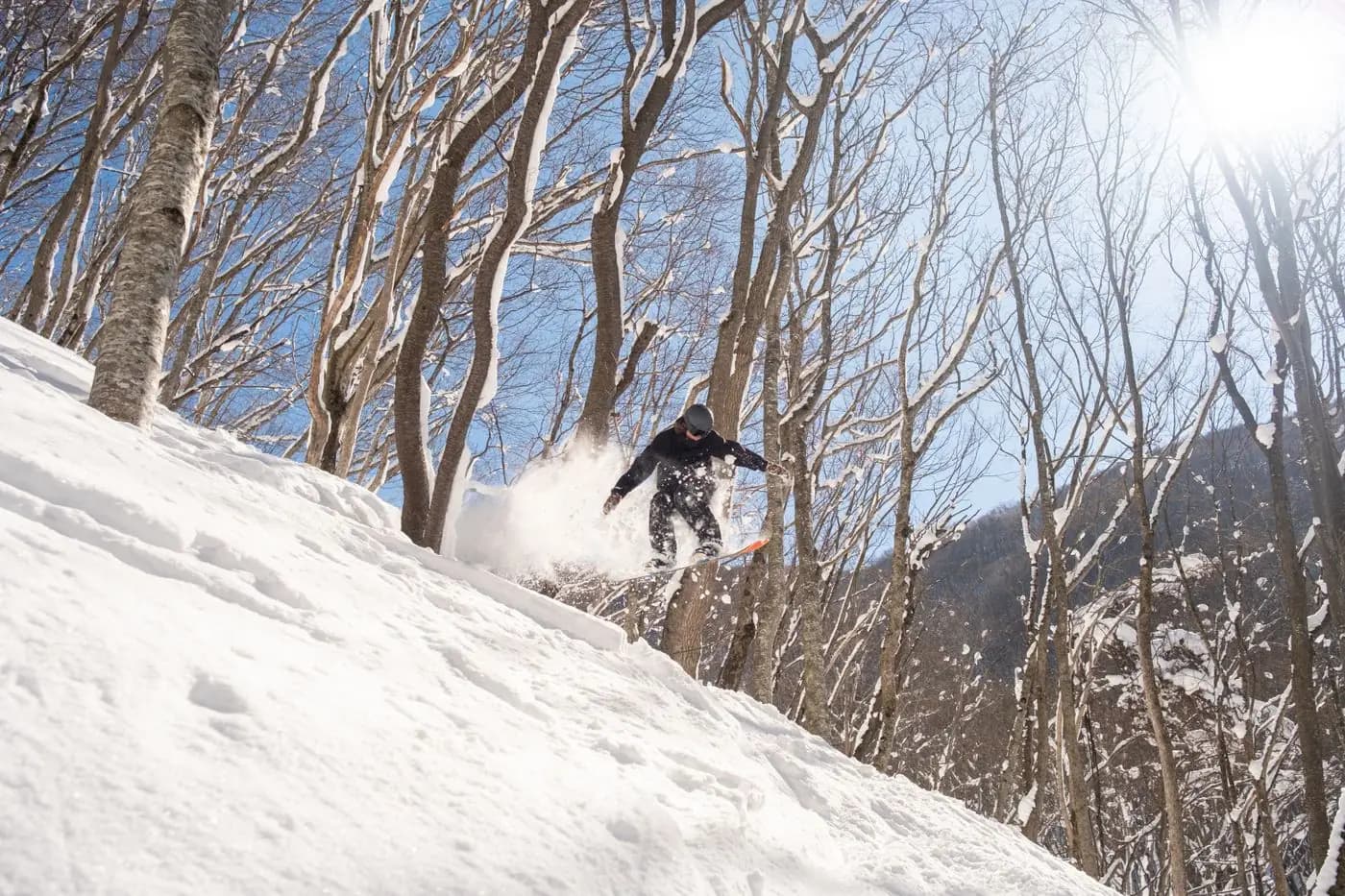
- Hakuba: ski season in the Japan Alps, for a kickoff or an incentive on snow
March is harder. US spring break weeks overlap the start of cherry blossom in late March and the end of the Japanese fiscal year on March 31, which most companies and the government share. Japanese firms hold closing meetings and farewell parties, so hotels and banquet rooms are in high demand before the first blossom opens.
If employees bring families during spring break, book a year ahead and expect peak prices from late March to early April. If the date is flexible, the first half of March is calmer than the second.
Memorial Day to July 4th: late spring and summer
Late May to mid-June is one of the best windows for an American group. Golden Week is over, prices drop, and the Memorial Day weekend can absorb part of the travel time.
- Late May: mild, with long days, before the rain
- June to mid-July: rainy season on the main islands. It rarely stops a program, but outdoor events need a covered alternative
- July 4th week: an ordinary working week in Japan. Hotels are available, but the heat and humidity are high through July and August
- Mid-August: Obon, when Japan travels. Trains and domestic flights are full and prices rise
Summer works with the right design. Hold working sessions in the morning in air-conditioned rooms, keep outdoor visits short and move dinners to the evening. Hakuba is a summer alternative: the Japan Alps are cooler than the cities, and the green season suits a leadership retreat with hiking.
For a group that can only travel in summer, late May to mid-June is the better half, and the days around July 4th are the practical choice in July.
Labor Day to Thanksgiving: typhoons, then autumn leaves
September looks convenient on the US calendar: summer vacations are over and Q4 has not started. In Japan it is the month with the highest typhoon risk, within a season that runs from August to October.
A typhoon rarely cancels a whole program, but it can stop trains and flights for a day. For a date in September or early October, plan this:
- Indoor alternatives: one for every outdoor activity
- Buffer: no critical session or gala dinner on the arrival day or the departure day
- Routing: fewer city changes, and extra care with Okinawa, which is more exposed
Late October and November are the reward. The air is dry, and the autumn leaves reach Kyoto in November. Thanksgiving, on the fourth Thursday of November, falls in that peak. In Japan the week is ordinary working time apart from the November 23 national holiday, Labor Thanksgiving Day, so venues operate normally. But Kyoto is at its most expensive and most crowded.
Thanksgiving week is a good choice for scenery and a poor one for budget. Some employees also prefer to be home that week, so check before you commit.
December and Q4: year-end rewards and closures
For companies whose fiscal year ends in December, Q4 is the hardest time to take a sales team out of the field, and the easiest time to justify a reward for the people who have already made their number.
Early December is one of Japan's best-value windows. The autumn crowds have left, hotel rates fall, and the weather in Tokyo and Kyoto is cool and mostly dry. Three points need attention:
- Year-end parties: December is the season of bonenkai, the Japanese office year-end party. Restaurants and banquet rooms fill up, mostly in the evening, so book group dinners early
- December 29 to January 3: avoid it. Many restaurants, museums and companies close for the New Year
- Christmas week: December 25 is not a national holiday in Japan, so venues are open, but it is rarely a date US employees accept
A practical pattern is to arrive in the first days of December and fly home before the middle of the month. The group gets low-season rates and is back well before the holidays.
Month by month for a US group
Use this list as a first filter, then check exact dates with your DMC.
- January: best rates after January 3; sales kickoffs in Tokyo, Okinawa or Hakuba
- February: best rates; cold and clear; skiing in Hakuba
- March: spring break and Japan's fiscal year-end on March 31; high demand from mid-month, cherry blossom at the end
- April: cherry blossom and peak prices early in the month; Golden Week starts April 29
- May: avoid until May 5; late May is a best-value window
- June: good rates; rainy season, plan covered options
- July: rain until mid-month, then heat; July 4th week is workable
- August: hot and humid; avoid Obon in mid-August; typhoon season begins
- September: highest typhoon risk; indoor backups required
- October: last month of typhoon risk; Kyoto is quieter than in November
- November: autumn leaves, peak prices in Kyoto; Thanksgiving for scenery, not for budget
- December: good value early in the month; book dinners early; avoid December 29 to January 3
SHINOGI DMC, based in Tokyo since 2005, sends a first proposal within 48 business hours.
Frequently asked questions
What is the best month to take a US corporate group to Japan?
For budget and availability, January and February, then late May to mid-June and early December. For scenery, late March to early April and November, with peak prices and bookings to make 12 months ahead.
Is Thanksgiving week a good time for a group trip to Japan?
For scenery, yes: it is peak autumn-leaf season in Kyoto. For budget, no: Kyoto prices are at their highest. In Japan the week is ordinary working time, apart from the national holiday on November 23.
Is Japan a good place for a January sales kickoff?
Yes, from January 4. January and February offer the best rates and the most availability in hotels and banquet rooms. As a reference, published programs start from €1,800 per person for a sales kickoff in Okinawa (60 to 250 participants) and €2,900 for a ski incentive in Hakuba (20 to 120), excluding international flights.
Can we plan a company trip to Japan during US spring break?
Yes, if you book early. The March weeks overlap the start of cherry blossom and the end of the Japanese fiscal year on March 31, so hotels and banquet rooms are in high demand, and prices peak from late March to early April. The first half of March is calmer.
Which weeks should a US group avoid in Japan?
Golden Week, from April 29 to May 5; Obon, in mid-August; and the New Year period, from about December 29 to January 3, when many places close. September calls for caution because of typhoon risk.
Rédaction SHINOGI DMC · Updated