Chicago to Japan: nonstop from O'Hare in about 13 hours
Yes, Chicago has nonstop flights to Tokyo: three airlines fly them from O'Hare (ORD), ANA, Japan Airlines and United, and the flight takes about 13 hours. For a corporate trip to Japan from Chicago, that means one flight, no connection, and a landing at Haneda or Narita.
O'Hare has a second advantage, which matters more to companies than to tourists: it is where the Midwest connects. A company with offices or plants in several Midwestern cities can bring everyone to ORD on short domestic flights and put the whole group on one aircraft to Tokyo. One flight means one arrival time, one coach transfer and a welcome dinner where everybody is present.
The basics for US travelers: no visa for US passport holders for a short stay of up to 90 days, and a passport valid for the whole stay. Colleagues with other passports should check Japan's visa exemption list, since the rule depends on nationality.
Plan five nights on the ground as a minimum, and six if the programme includes a second city.
O'Hare to Tokyo: the flights, and the Osaka question
- ANA: lists two daily flights from Chicago to Tokyo
- Japan Airlines: Chicago to Haneda
- United: Chicago to Haneda, plus a daily flight to Narita since October 24, 2026
Haneda (HND) is 20 to 30 minutes from central Tokyo. Narita (NRT) is about an hour away. For a short programme, Haneda saves coach time on arrival day. For a large group, the Narita flight is one more place to look for seats on the same date.
A Monday departure lands on Tuesday afternoon, because the flight crosses the International Date Line. The return is shorter than the outbound flight and lands in Chicago the same calendar day it leaves Japan.
Osaka has no nonstop from Chicago. If the programme is based in Osaka or Kyoto, either fly to Tokyo and continue by bullet train (about 2 h 30 to Osaka, 2 h 15 to Kyoto), or connect in San Francisco or Los Angeles onto a daily nonstop to Osaka Kansai (KIX). From Kansai airport it is about 50 minutes to central Osaka and 75 to 80 minutes to Kyoto Station.
Schedules checked in November 2026 against airline timetables and announcements; airlines change routes and frequencies every season, so confirm with the carrier before you fix dates.
One gathering point for the Midwest: group flights and lead times
Many Chicago-led trips are really Midwest trips: headquarters in Chicago, teams in other cities across the region. Three ways to move them:
- Everyone through O'Hare: regional offices fly in the same morning and join the Chicago group on one flight to Tokyo. Leave at least two hours between the domestic arrival and the international departure, so a late first leg does not split the group
- The night before in Chicago: for winter departures or large groups, bring the regional teams in the previous evening. It takes the weather risk out of departure day
- Two gateways, one arrival: Detroit and Minneapolis have their own Delta nonstops to Haneda. Teams based there can fly direct and meet the Chicago group at the hotel in Tokyo
Airlines usually handle group bookings from 10 passengers traveling together. Send the DMC the full flight manifest: arrival-day logistics are built from it, from the number of coaches to the time of the first dinner.
When to book:
- 12 months or more: 100 people and above, or any date in cherry blossom season or in November
- 6 to 9 months: 30 to 100 people
- 3 to 6 months: fewer than 30 people, off-peak
Time difference with Chicago: 14 or 15 hours
Japan is 14 hours ahead of Chicago in summer and 15 in winter. Japan does not change its clocks. A quick way to convert: flip am and pm, then add two hours in summer or three in winter.
- 9 am in Chicago: 11 pm in Tokyo in summer, midnight in winter
- 5 pm in Chicago: 7 am the next morning in Tokyo in summer, 8 am in winter
- 8 am in Tokyo: 6 pm the previous day in Chicago in summer, 5 pm in winter
So the usable window for a call home is breakfast time in Japan, which catches the end of the Chicago business day. Put it on the agenda as a fixed 30-minute slot, not as something people do from the coach.
For the sessions themselves: Midwest travelers wake early in Japan for the first three days. Start at 8:30, finish the working day by mid-afternoon, and move to visits or activities when concentration drops. Company and plant visits, which need attention and a lot of walking, fit best from the third day. Keep the first evening short, and save the big dinner for the last night, when everyone is on Japanese time.
Sample 6-night programme: Tokyo, Nagoya and Osaka
This outline suits a group of managers and engineers: six nights, three cities on a single bullet train line.
- Day 1 (Monday): regional teams connect at O'Hare, group flight to Tokyo
- Days 2 and 3, Tokyo (2 nights): Tuesday afternoon arrival and an easy evening. On Wednesday, opening session in the morning, city orientation in the afternoon, welcome dinner
- Day 4, Nagoya (1 night): bullet train, about 1 h 40. Industry day in Japan's manufacturing heartland, with museum and company visits subject to availability
- Days 5 and 6, Osaka (2 nights): a short bullet train ride west. Working sessions in the morning, then a street food tour, a cooking class or a half day in Kyoto
- Day 7, Tokyo (1 night): bullet train back, about 2 h 30, wrap-up session and closing dinner
- Day 8 (Monday): flight to Chicago, landing the same day
The Nagoya stop can grow into the published three-day industry study tour, from €2,100 per person for 15 to 80 participants, excluding flights. If the trip is a reward and not a study trip, replace Nagoya and Osaka with Kyoto: the four-day Tokyo and Kyoto incentive starts from €3,400 per person for 30 to 150 guests, excluding flights.
What Chicago companies come to Japan for
Chicago's economy is broad: manufacturing across the wider Midwest, futures and options trading, food companies, and many national associations headquartered in the city. Each has a natural counterpart in Japan. The prices below are published on this site, per person, excluding international flights.
- Manufacturing and industrial groups: Nagoya and the surrounding Aichi region, home of Toyota. Industry study tour from €2,100 (15 to 80 participants), or the Nagoya and Kyoto incentive from €2,900 (30 to 120) for dealer and distributor trips
- Trading and finance: Tokyo for meetings, Osaka for history, since its Dojima rice market is widely described as one of the world's first futures markets. Executive committee week from €8,900 (8 to 25)
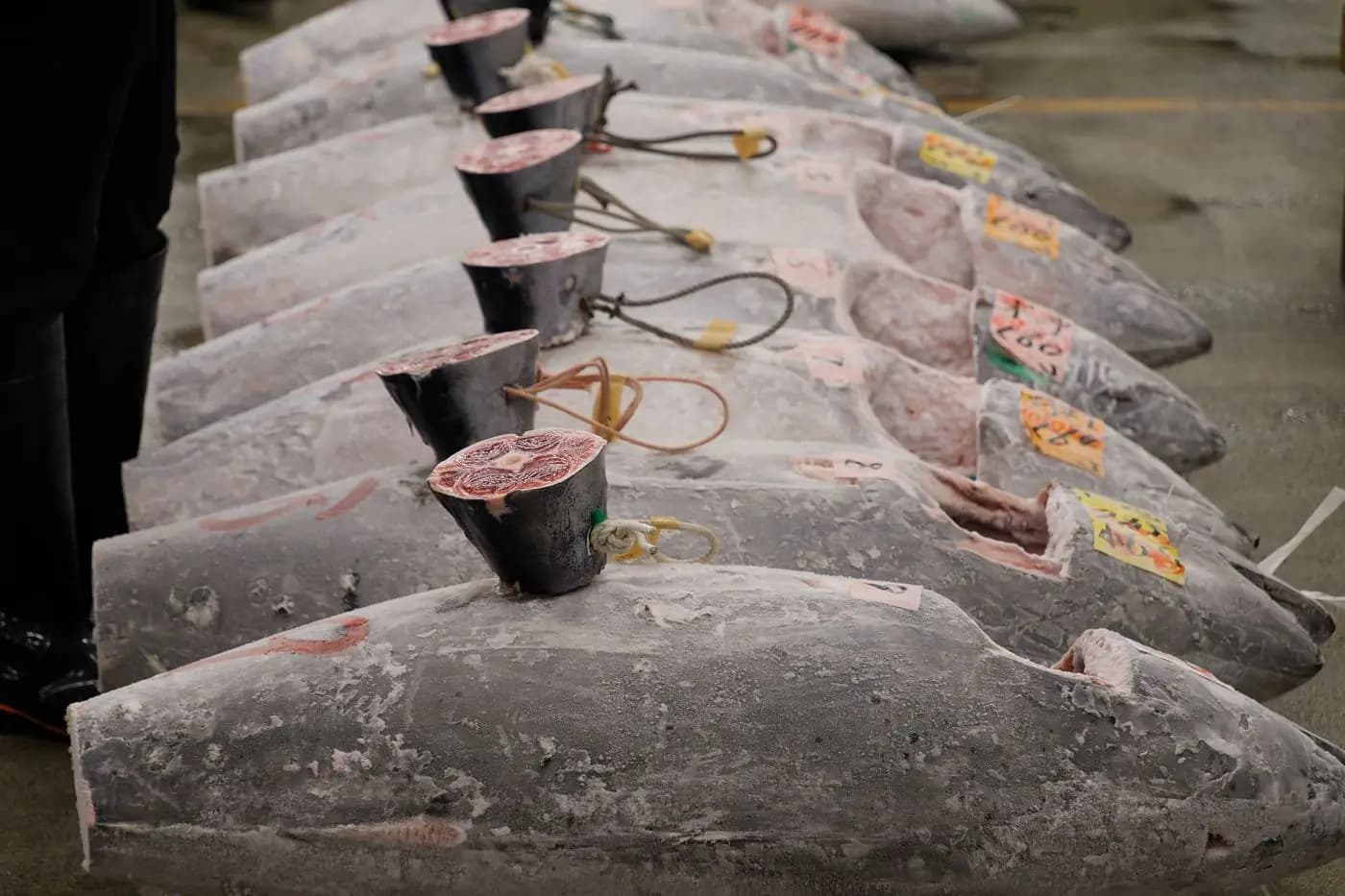
- Food and beverage: Osaka, nicknamed the nation's kitchen, and Tokyo's Toyosu market. A three-day Tokyo seminar from €2,400 (40 to 120) can be combined with market visits and tastings
- Associations: an international meeting or a study mission. Osaka convention from €2,200 (200 to 400 attendees), Fukuoka convention from €1,900 (300 to 800)
These are typical requests, not a fixed menu. SHINOGI DMC, based in Tokyo since 2005, designs the programme, books the suppliers and runs it on site, for groups from 8 to 1,500 participants. Company and plant visits always depend on the host's agreement and are confirmed case by case.
Frequently asked questions
Is there a direct flight from Chicago to Tokyo?
Yes. From O'Hare, ANA lists two daily flights, Japan Airlines and United fly to Haneda, and United has added a daily flight to Narita since October 24, 2026. Schedules were checked in November 2026 and change every season.
How long is the flight from Chicago to Japan?
About 13 hours nonstop to Tokyo. The return flight is shorter and lands in Chicago the same calendar day.
Can colleagues from other Midwest cities join the same flight to Tokyo?
Yes. They take a domestic flight to O'Hare and join the group there. Leave at least two hours between flights, or bring them to Chicago the evening before. Teams in Detroit or Minneapolis can also fly nonstop to Haneda on Delta and join the group in Tokyo.
What time is it in Tokyo when it is 9 am in Chicago?
11 pm the same day in summer and midnight in winter. Japan is 14 hours ahead of Chicago in summer and 15 in winter, and does not use daylight saving time.
Haneda or Narita: which airport should a Chicago group choose?
Haneda when seats allow: it is 20 to 30 minutes from central Tokyo, against about an hour for Narita. United's daily Narita flight is a useful second option when a large group needs more seats on the same date.
Rédaction SHINOGI DMC · Updated
Sources
- ANA — Flights from the United States to Japan
- Japan Airlines — Latest flight schedules, U.S. & Canada routes
- United — New flight between Chicago and Tokyo Narita (press release)
- Ministry of Foreign Affairs of Japan — Exemption of visa (short-term stay)
- Japan National Tourism Organization — Plan your trip