The short answer
Choose Tokyo if your convention exceeds 1,500 guests, if it must convey the image of an international group, or if participants fly in from many different countries. Choose Osaka if you are gathering 150 to 1,500 people, want a warmer atmosphere and immediate access to Kyoto, Nara or Kobe, and hotel budget is a key constraint.
That answer deserves nuance. We have run excellent conventions of 800 guests in both Tokyo and Osaka. The right question is not which city is better, but which city best serves the purpose of the event. A sales convention built to celebrate results is not designed like a technical assembly with back-to-back parallel sessions.
The criteria below are the ones we review with clients before requesting any quotes: access, venues, hotels, dining, excursions, budget and timing. Taken together, they usually make the decision obvious within a single working session.
Air access and transfers
Tokyo has the widest range of international flights in the country, split between two airports:
- Haneda: about 30 minutes from the business districts, ideal for staggered arrivals.
- Narita: 60 to 90 minutes depending on the hotel; we position dedicated coaches for each arrival wave.
Osaka is served by Kansai International Airport (KIX), built on an artificial island in Osaka Bay. Allow roughly 45 minutes to an hour to reach Namba or Umeda depending on the mode of transport, and a little longer for Kyoto. Itami Airport, closer to the city center, mainly handles domestic flights.
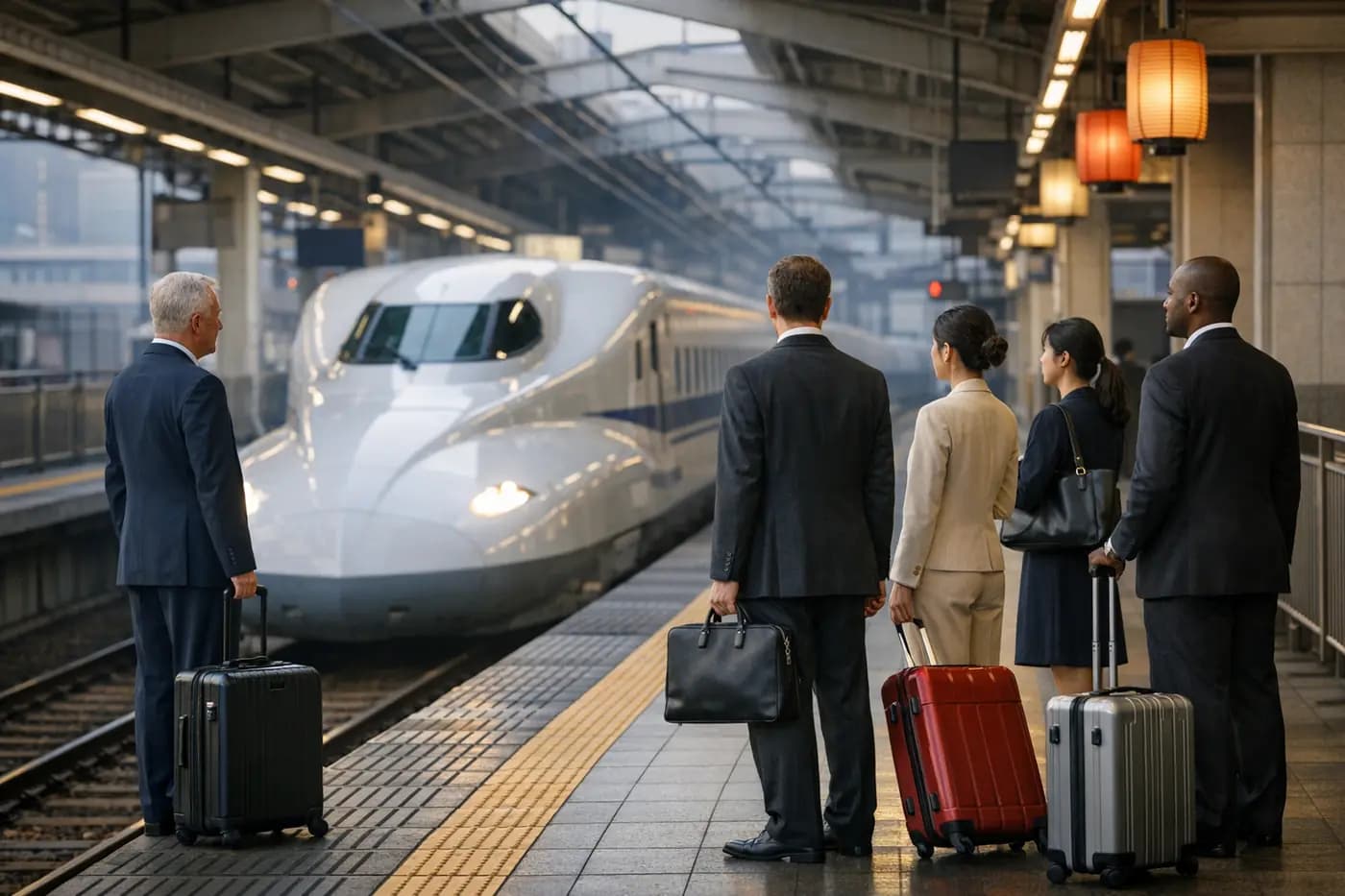
From Europe, there are more direct flights to Tokyo than to Kansai. For a convention that brings together participants from many subsidiaries, flying into Tokyo and continuing to Osaka by Shinkansen (about 2h30) is a common and comfortable option, as long as luggage forwarding to the hotel is arranged. Mixed arrival airports simply require a more detailed transfer plan, not a different destination.
Convention venues and capacity
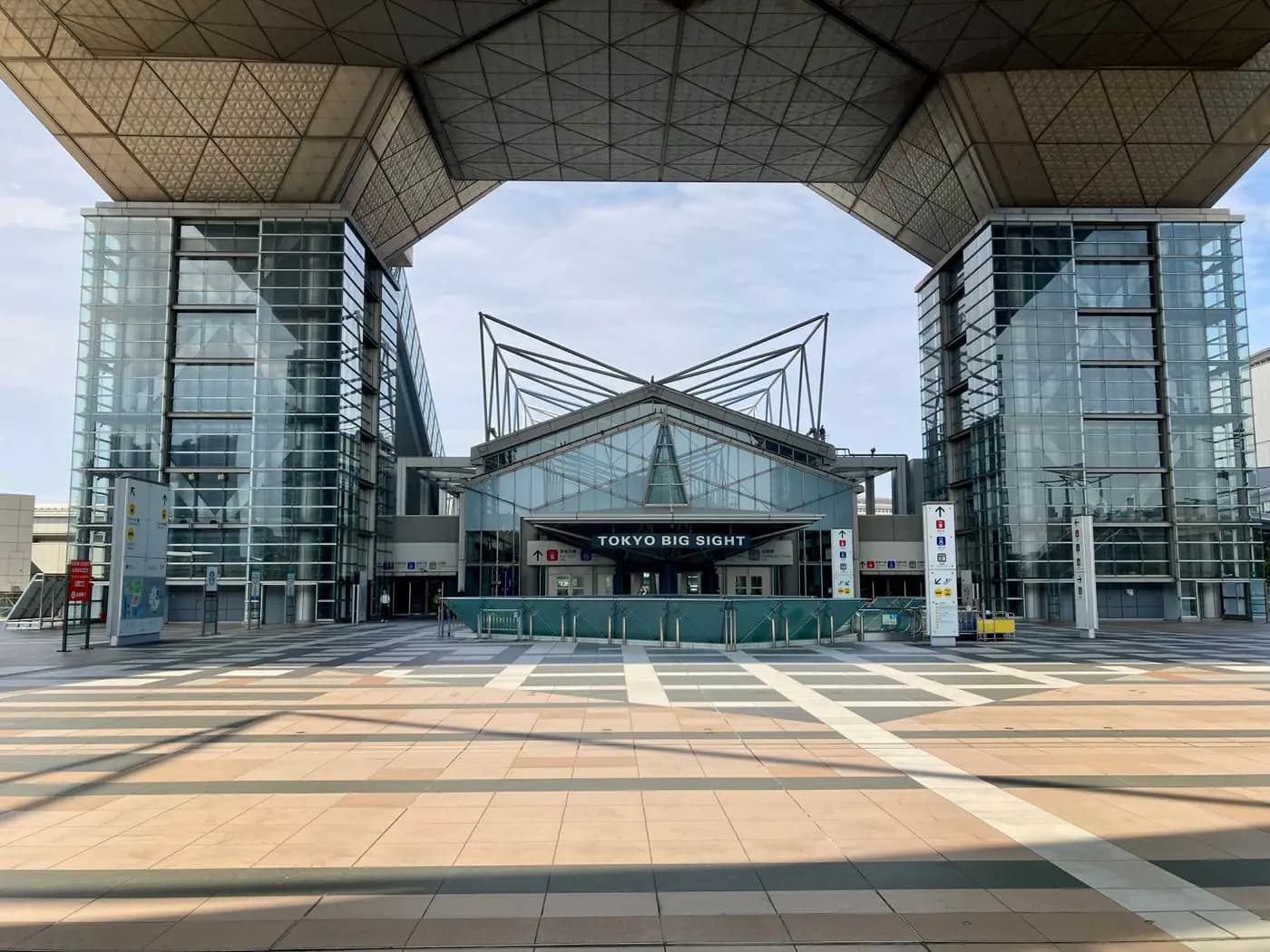
In Tokyo, the range is very broad. Tokyo International Forum, in Marunouchi next to Tokyo Station, offers the 5,012-seat Hall A and many flexible rooms. Tokyo Big Sight, in Ariake, is the largest exhibition center in the country; Makuhari Messe (Chiba) and Pacifico Yokohama complete the offer for formats that include an exhibition. Major conference hotels in Minato, Chiyoda and Shinjuku comfortably host conventions of a few hundred guests in their ballrooms.
In Osaka, Grand Cube Osaka (Osaka International Convention Center) in Nakanoshima is the benchmark: a 2,754-seat event hall, a special conference room and around 25 rooms ranging from 42 to 289 m². INTEX Osaka, in the port area, covers exhibition needs. Conference hotels in Umeda and Nakanoshima host most conventions of fewer than 800 guests.
In both cities, the largest halls are often booked 18 to 24 months ahead when demand is high. It is wise to place an option before the agenda is even finalized, and to confirm technical constraints (rigging points, load-in hours, noise limits) during the first site visit.
Hotels: density versus compactness
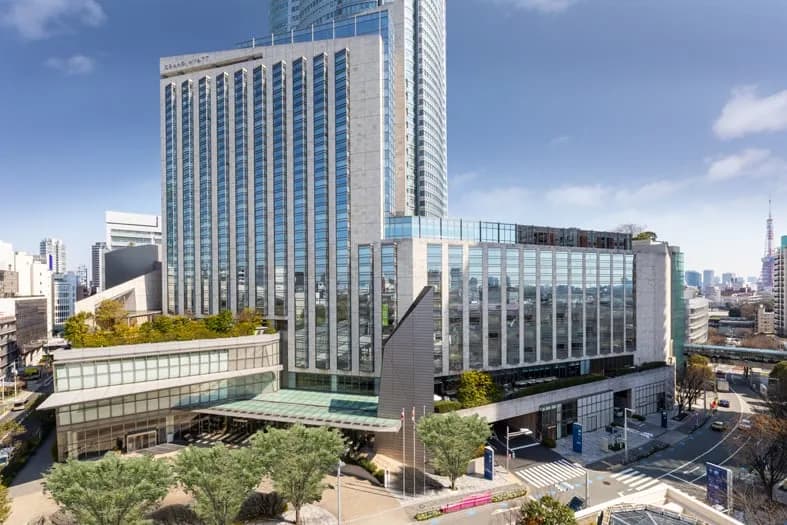
Tokyo has the country's largest concentration of five-star conference hotels: The Okura Tokyo, Grand Hyatt Tokyo, Hotel New Otani, The Prince Park Tower Tokyo and Tokyo Marriott, among others. The advantage is being able to house 300 to 500 guests in a single property, or in two neighboring hotels.
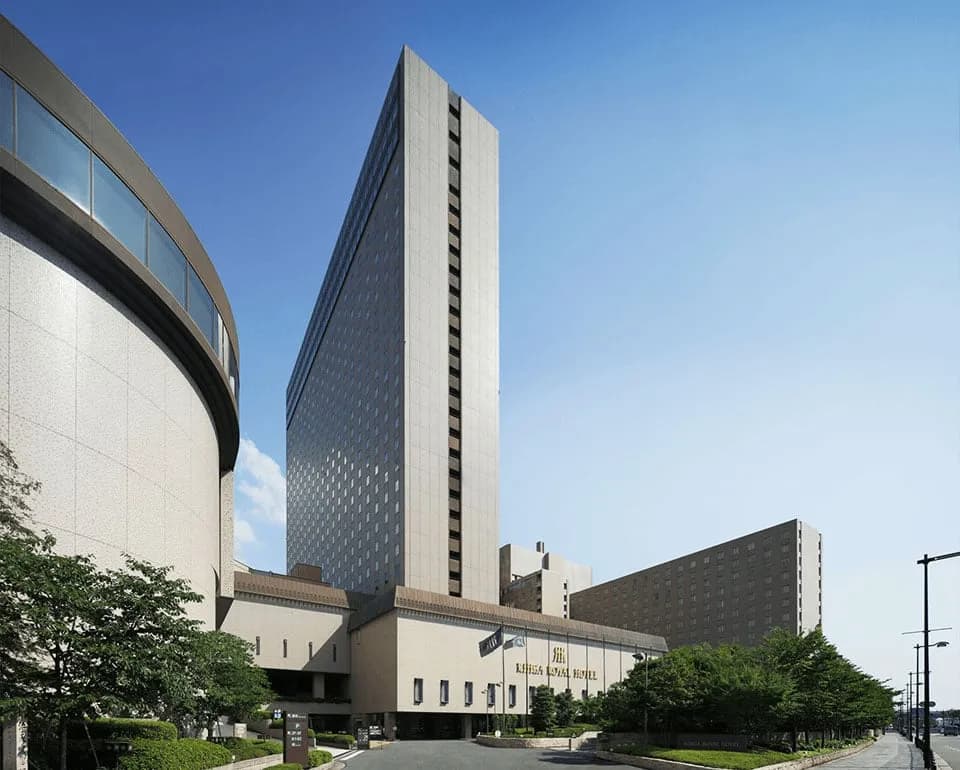
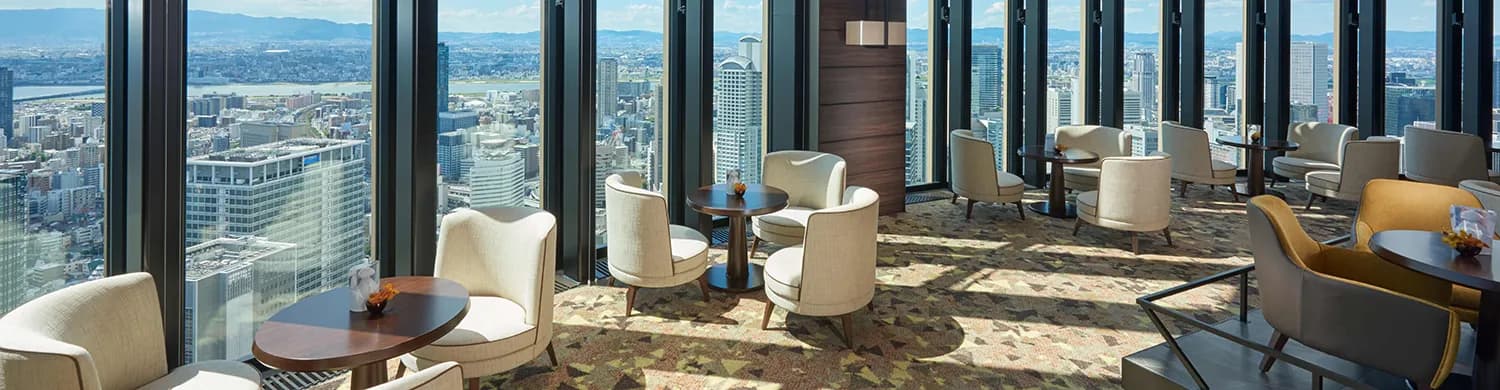
Osaka has fewer very high-capacity properties, but it is a more compact city. Between Umeda, Nakanoshima and Namba, transfers take 10 to 20 minutes, which makes it easier to split a group across several hotels. Properties such as Rihga Royal Hotel Osaka, right next to Grand Cube, Conrad Osaka, InterContinental Osaka and Swissotel Nankai Osaka, connected to Namba Station, cover most needs.
As a general rule, for an equivalent category, hotel rates in Osaka are often lower than in Tokyo. The gap varies widely with dates and major events in town, however, and only a comparison of quotes for the same dates can measure it. We always request both cities in parallel when a client is undecided.
Dining, evenings and excursions
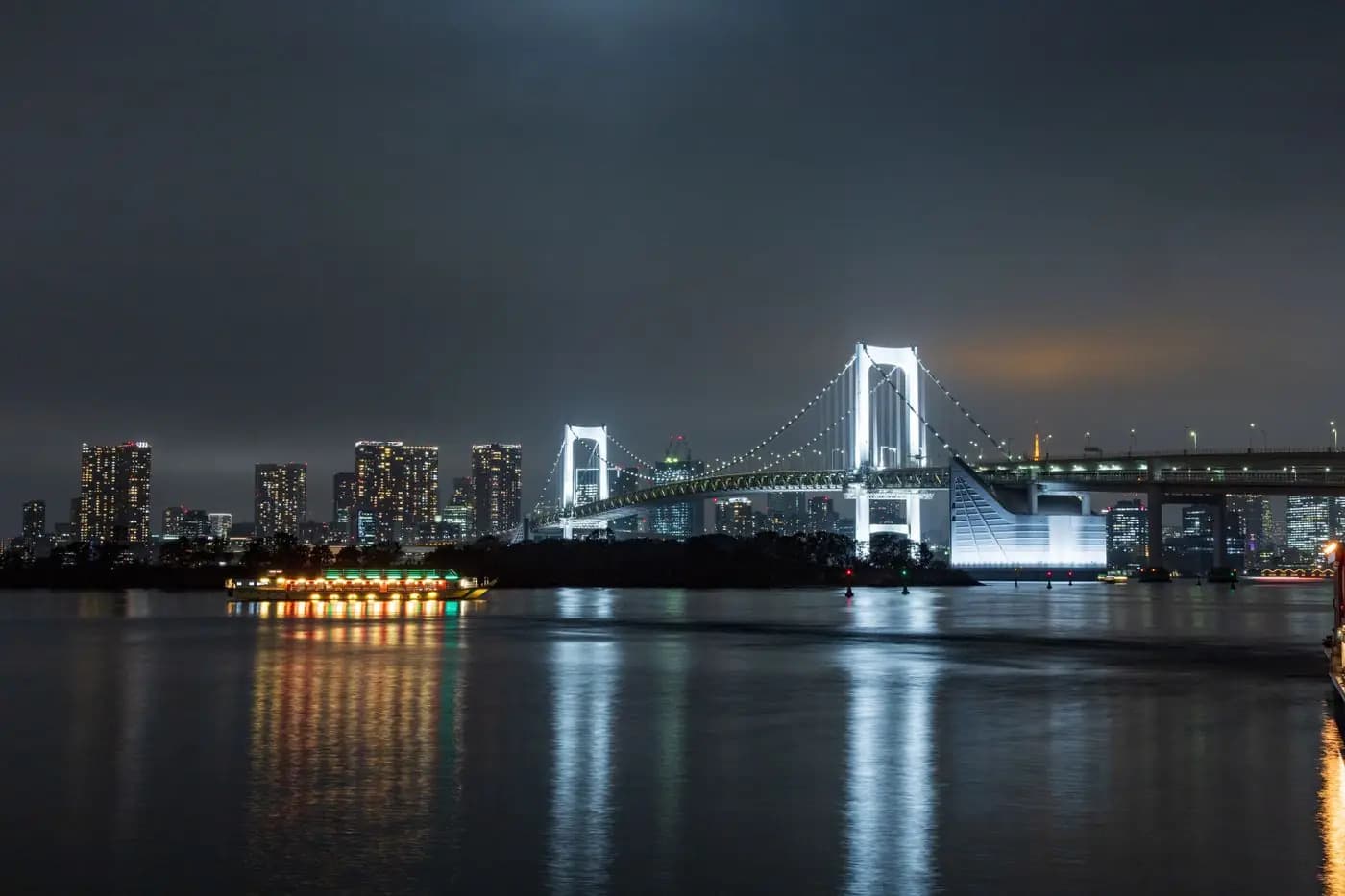
Tokyo retains the highest total number of Michelin stars in the world, and the 2026 edition of the guide added new starred restaurants. For a convention, the question is not stars but capacity: hotel private dining rooms, Ginza and Roppongi restaurants available for buyout on request, and Tokyo Bay cruise boats make it possible to host large groups well.
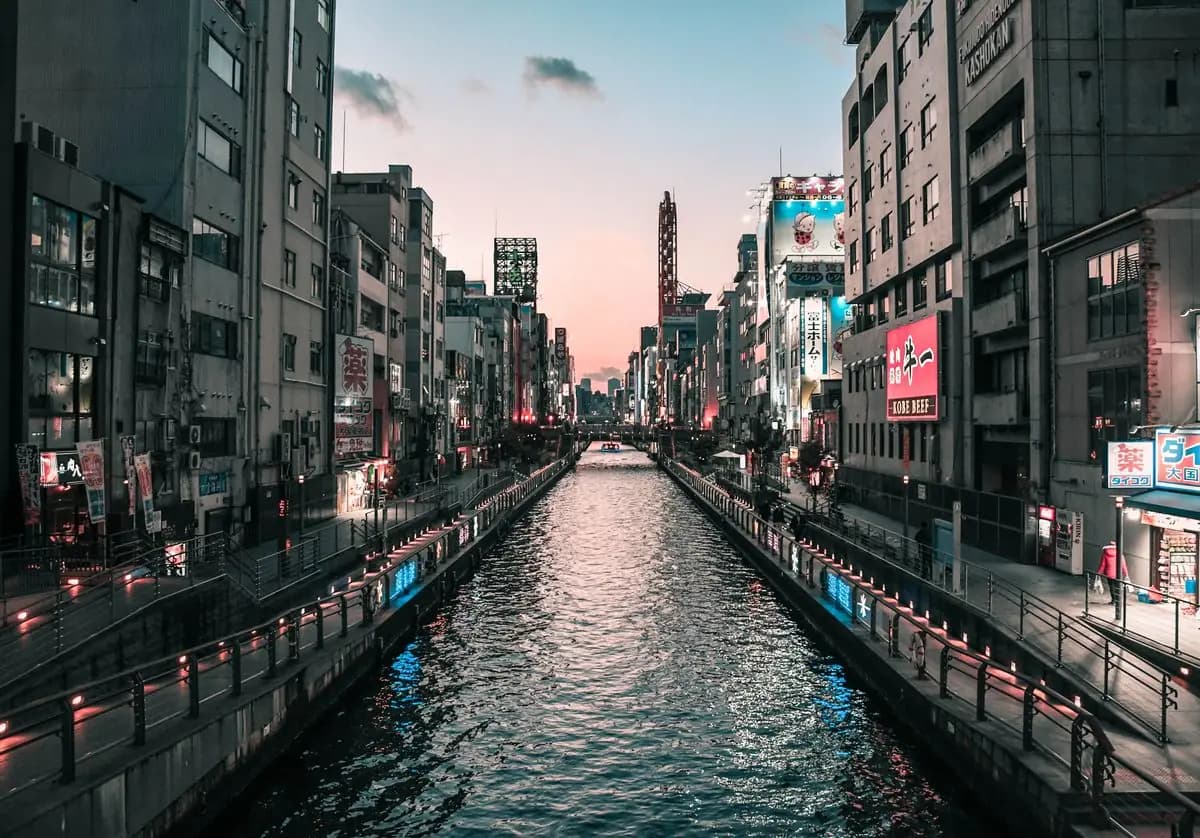
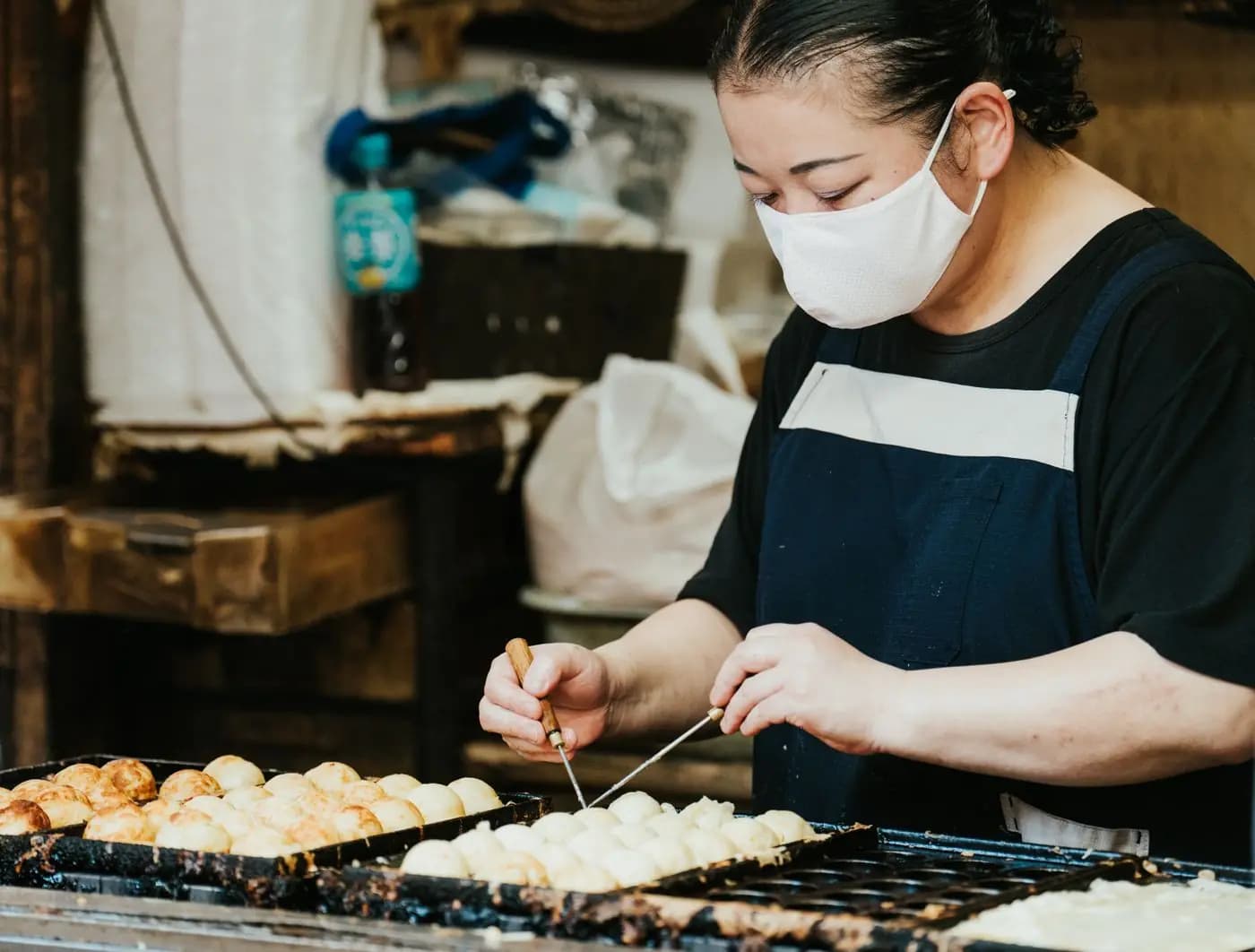
Osaka has a different signature: the culture of kuidaore, eating to your heart's content, and a more spontaneous conviviality. A street food evening in Dotonbori, a private izakaya buyout or a kaiseki dinner around Kitashinchi works very well for a sales force.
Excursions are where the difference is clearest:
- From Osaka: Kyoto is about 15 minutes by Shinkansen from Shin-Osaka, Nara under an hour away, Kobe around 20 minutes.
- From Tokyo: Kamakura, Nikko or Hakone, each a half-day or full-day trip.
For a cultural day built into the convention, Osaka offers a genuine logistical advantage. Guests can visit a Kyoto temple in the morning and be back for a plenary session in the afternoon.

Budget and timing
The largest cost items for a convention in Japan are accommodation, venue rental and technical production (stage, sound, lighting, video, simultaneous interpretation). In both cities, AV is booked through suppliers approved by the venue, with strict load-in and load-out times. Production costs are comparable between Tokyo and Osaka; the gap is mostly in hotel rates.
As an indication only, not a quote, rooms in 4- or 5-star conference hotels often range from ¥35,000 to ¥80,000 per night outside peak season, with strong variations by date. The same calendar rules apply everywhere:
- avoid Golden Week (late April to early May) and the Obon period (mid-August);
- plan 12 to 18 months ahead for cherry blossom season and autumn;
- check the calendar of major trade shows and congresses, which can fill an entire city's hotel stock.
A hybrid format, with the plenary in Tokyo and a closing incentive in Osaka and Kyoto, remains one of the combinations European companies appreciate most. It also lets you negotiate with two hotel markets instead of one.
Our five-question decision grid
Before requesting quotes for a convention in Tokyo or Osaka, we always ask clients five questions:
- How many participants, and where are they flying from? Above 1,500 guests, or with many points of origin, Tokyo simplifies access.
- Does the event include an exhibition? If so, Tokyo Big Sight, Makuhari Messe or INTEX Osaka come into play.
- How much of the program is cultural? The larger that share, the more Osaka and its proximity to Kyoto gain the edge.
- What message does the company want to convey? Tokyo speaks of scale and innovation; Osaka of energy and warmth.
- How much flexibility is there on accommodation? A tight budget calls for comparing quotes in both cities.
The answers usually fit on a single page and point to a decision within one meeting.
Frequently asked questions
Which city is best for a 300-guest convention?
Both work. Tokyo lets you house the whole group in a single conference hotel with a ballroom; Osaka offers a more compact city, often lower hotel rates and Kyoto 15 minutes away by Shinkansen. The choice depends mainly on the purpose of the event and on flight arrivals.
How far ahead should a convention center be booked?
For the large halls at Tokyo International Forum or Grand Cube Osaka, 18 to 24 months is prudent for the most requested dates. For a hotel-based convention under 500 guests, 12 months is usually enough outside peak season.
Can Tokyo and Osaka be combined in one convention?
Yes. The Nozomi Shinkansen links the two cities in about 2h30. We reserve full cars for the group and send luggage directly to the next hotel, which makes the transfer simple and even enjoyable.
Is Osaka cheaper than Tokyo?
Often for hotels at an equivalent category, but not always: the gap depends on dates and on events in town. Technical production and high-end restaurants are priced at comparable levels. Only quotes for the same dates can settle the question.
Do convention centers provide simultaneous interpretation?
Major venues such as Tokyo International Forum and Grand Cube Osaka have or can host interpretation booths. Interpreters are booked separately, ideally 3 to 6 months ahead for French–Japanese, which is rarer than English–Japanese.
Rédaction SHINOGI DMC · Updated