Choose a district before choosing a hotel
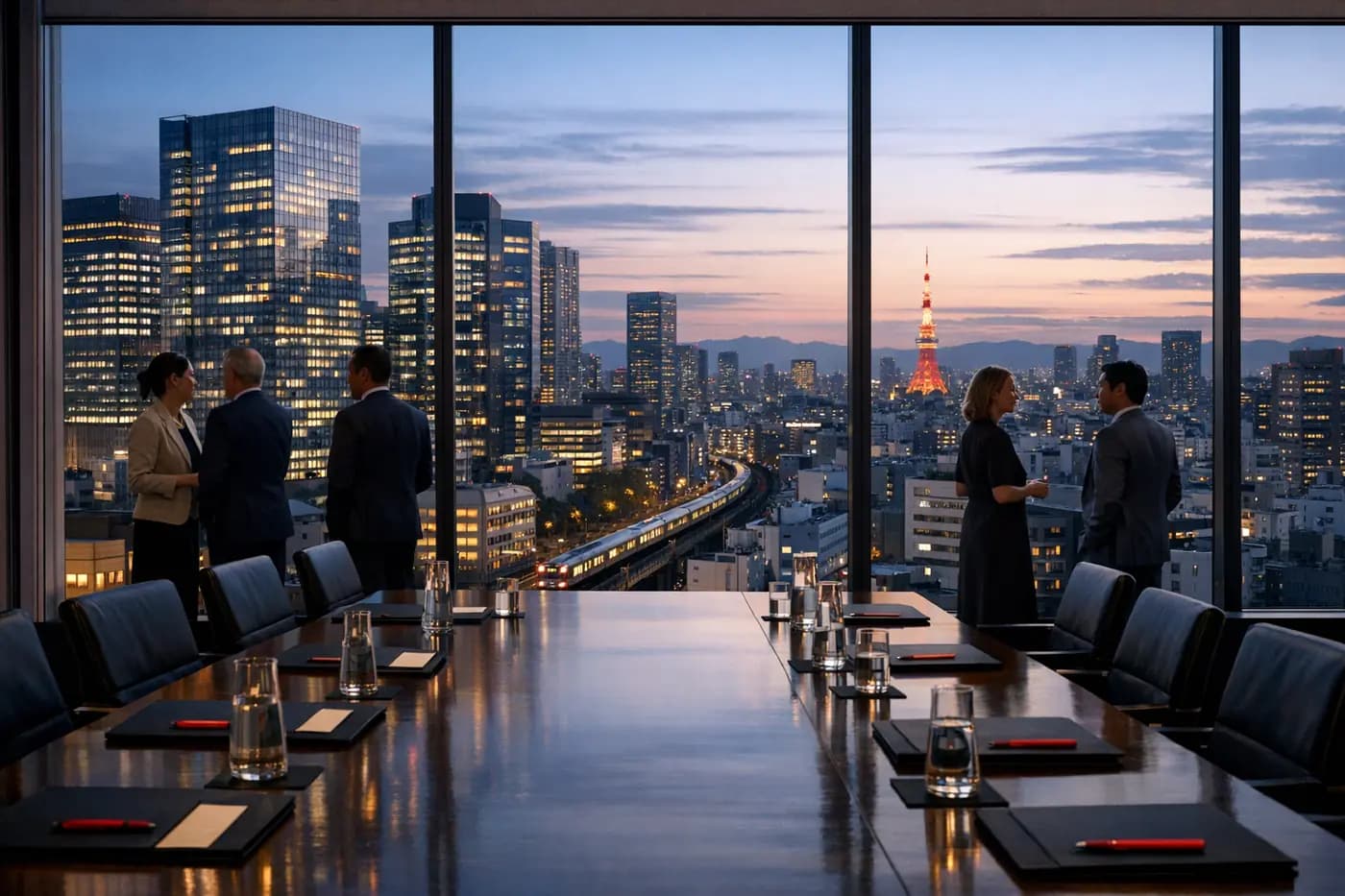
Tokyo is not a single-center city. It is a constellation of districts, each with its own station, office towers, hotels and clientele. For a corporate seminar in Tokyo, the district drives everything else: travel times, the tone of the evenings, the type of meeting space available, and even the image the program projects to participants.
Our method, refined since 2005, always starts with three questions:
- Where does the plenary or the key moment of the program take place?
- Who are the participants: executive committee, sales teams, technical staff, invited clients?
- How much of the program happens outside the meeting room: site visits, dinners, team building activities?
The answers usually point to one or two districts. The hotel comes next, based on the capacity of its function rooms, its group policy and its availability on your dates.
For each district, we also check for a fallback meeting room in case numbers change, the walking distance to two or three restaurants able to host the group, and the coach pickup points available nearby.
Marunouchi and Toranomon: the institutional choice
Marunouchi, between Tokyo Station and the Imperial Palace, is the capital’s most established business district, home to corporate headquarters, banks and trading houses. Tokyo International Forum sits here, a few minutes’ walk from Tokyo and Yurakucho stations. One point to note: the Forum has announced a temporary closure for renovation from January 2029 to March 2030, which matters for any convention planned in that window.
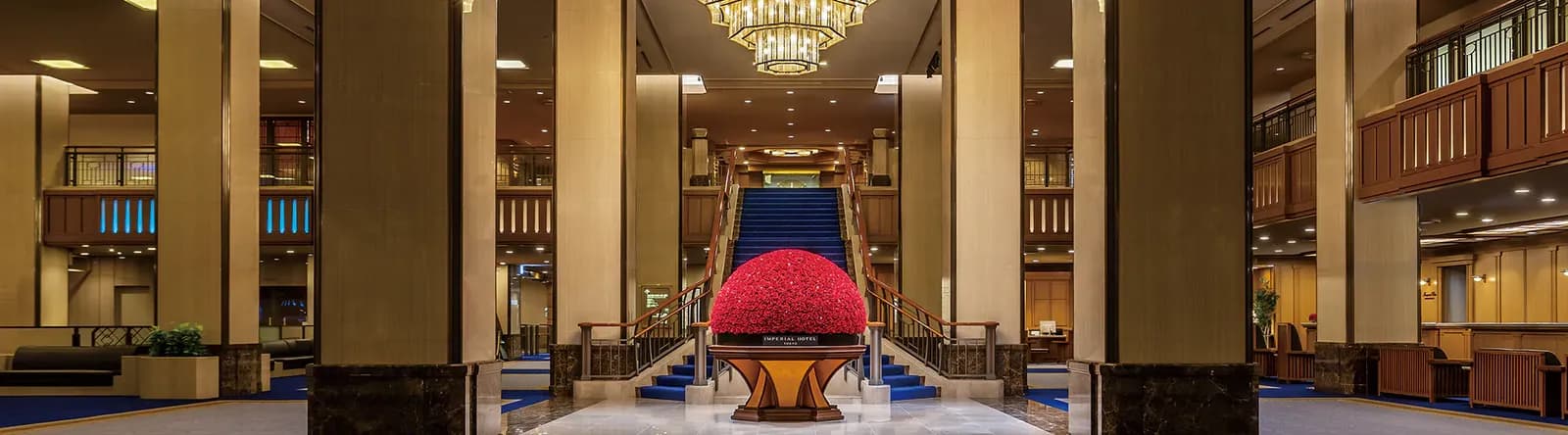
For a leadership seminar, Marunouchi offers direct Shinkansen access, an understated image and a mix of business and upscale hotels, such as Hotel Metropolitan Tokyo Marunouchi, connected to Tokyo Station, or the nearby Imperial Hotel in Hibiya.
Toranomon, a few stops south, has been reshaped by the Toranomon Hills development and the opening of Toranomon Hills Station on the Hibiya Line. It borders Kasumigaseki, the national government district, and is home to The Okura Tokyo, a long-standing address for diplomats and official delegations.
- Best for: executive committees, board meetings, seminars with institutional meetings.
- Evenings: quieter; pair with a dinner in Ginza or Roppongi, under 15 minutes away by car.
Ginza and Roppongi: work by day, host by night
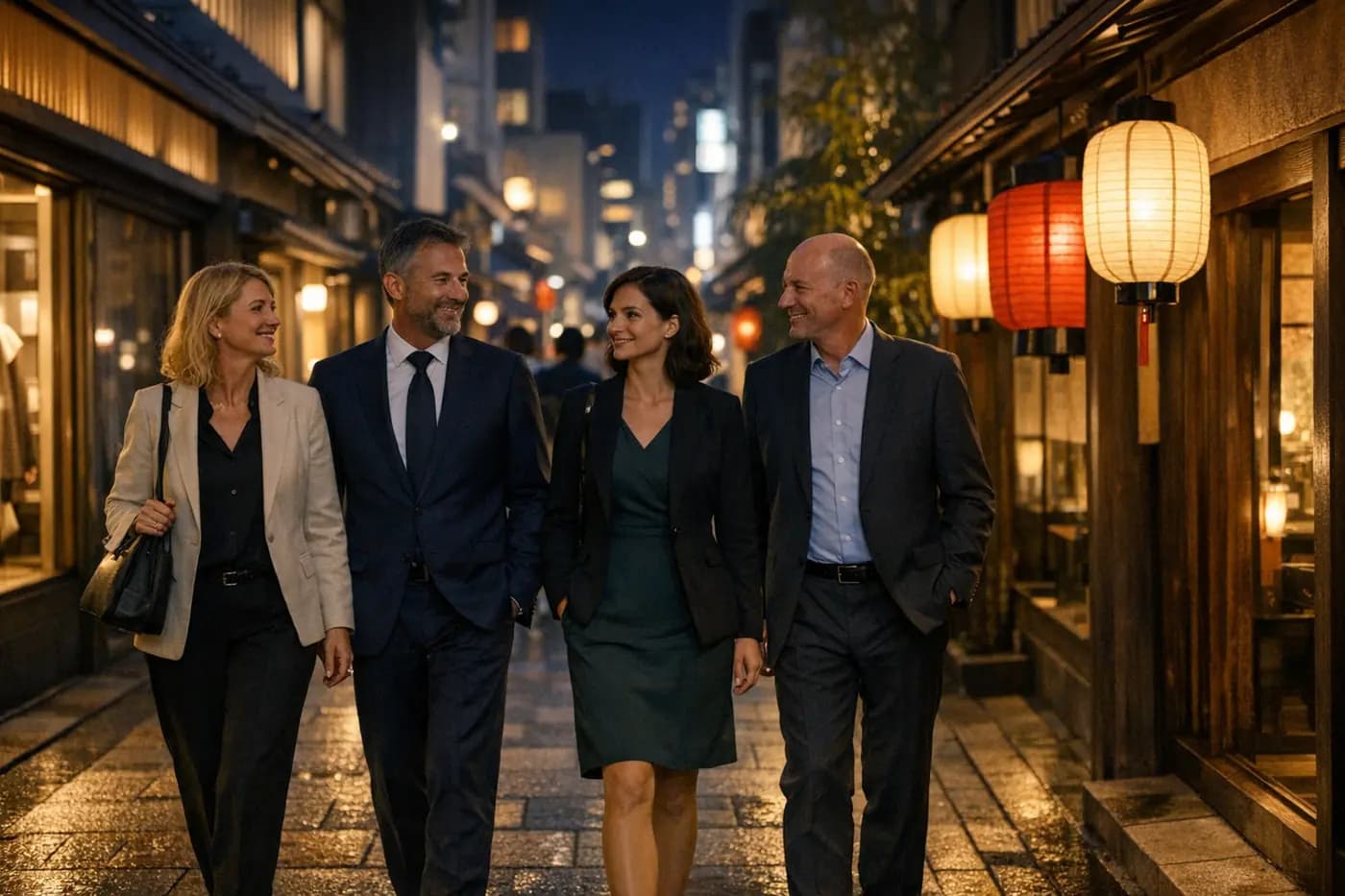
Ginza extends Marunouchi to the southeast. It is the district of flagship stores, galleries and an exceptional density of restaurants, from eight-seat sushi counters to kaiseki houses with private rooms. For a group, Ginza means lunch and dinner within walking distance of the hotel, which simplifies logistics. Properties such as Mitsui Garden Hotel Ginza Premier or Daiwa Roynet Hotel Ginza provide comfortable business accommodation, paired with a meeting room in a neighboring hotel or a privately booked space.
A point to plan for: coach parking in Ginza is tightly regulated. We schedule pickups at designated bays and fixed times, which requires close coordination on the ground.
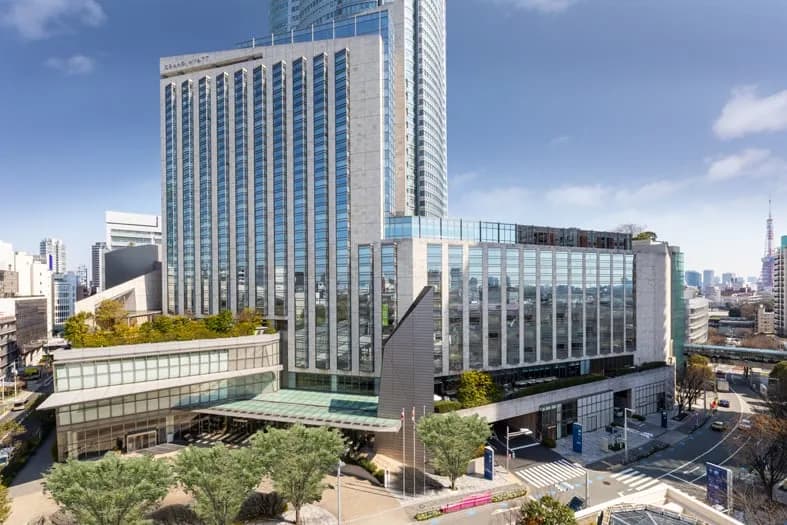
Roppongi brings together Roppongi Hills, Tokyo Midtown and, more recently, Azabudai Hills. Grand Hyatt Tokyo, part of Roppongi Hills, has banquet rooms suited to gala dinners and mid-size conferences. The district is international, rich in contemporary art museums and high-floor hotel bars.
- Best for: sales seminars, combined incentive programs, product launches, hosted clients.
- Plan ahead: restaurants and private rooms are often small and book early.
Shibuya and Shinjuku: urban energy and large hotel capacity
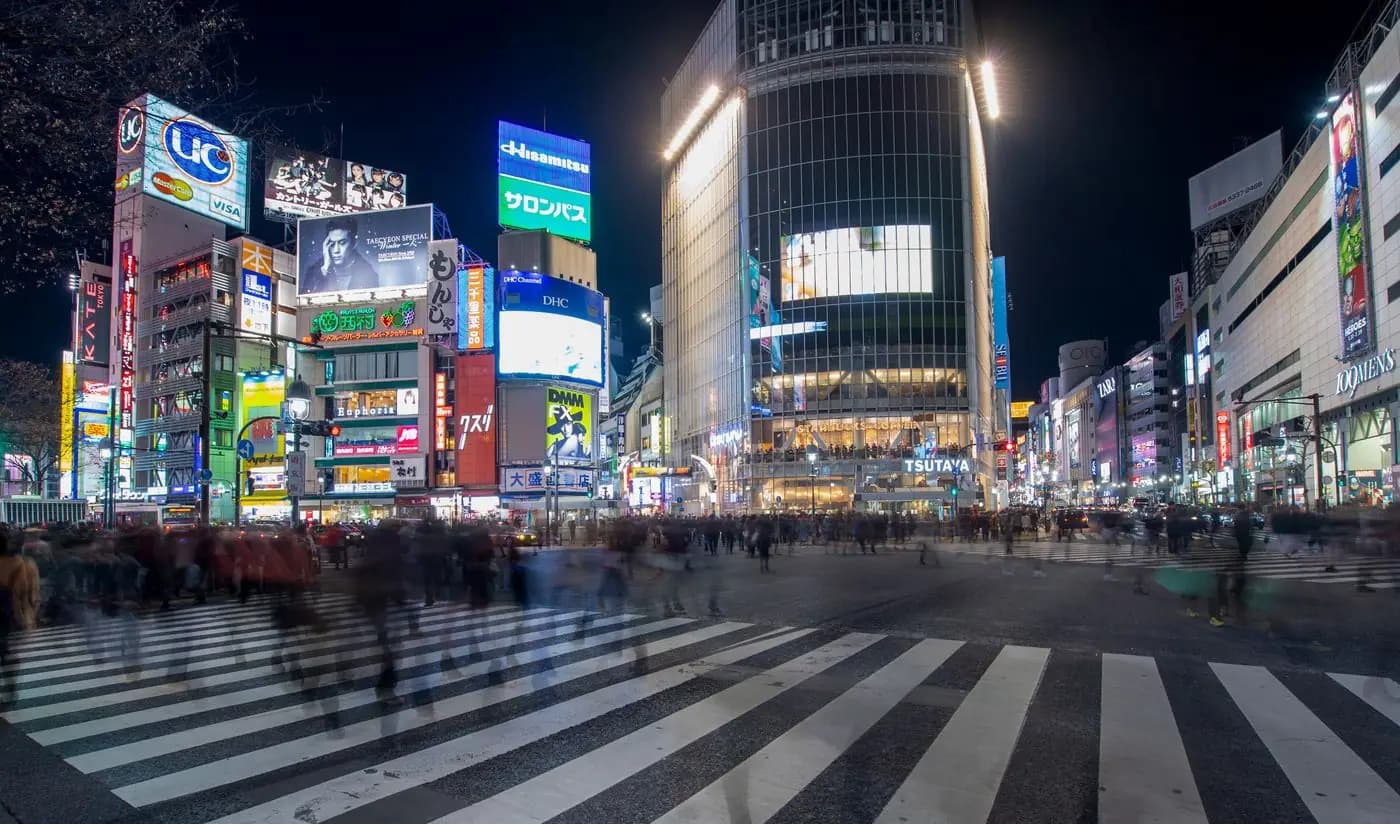
Shibuya is Tokyo’s district for tech, start-ups and creative industries. The new towers around the station, including Shibuya Scramble Square and its Shibuya Sky observatory, have renewed the supply of offices and event spaces. For a product, digital or marketing team, Shibuya sets the tone immediately: a seminar at the heart of contemporary Tokyo, well suited to an urban rally or visits to innovative companies.
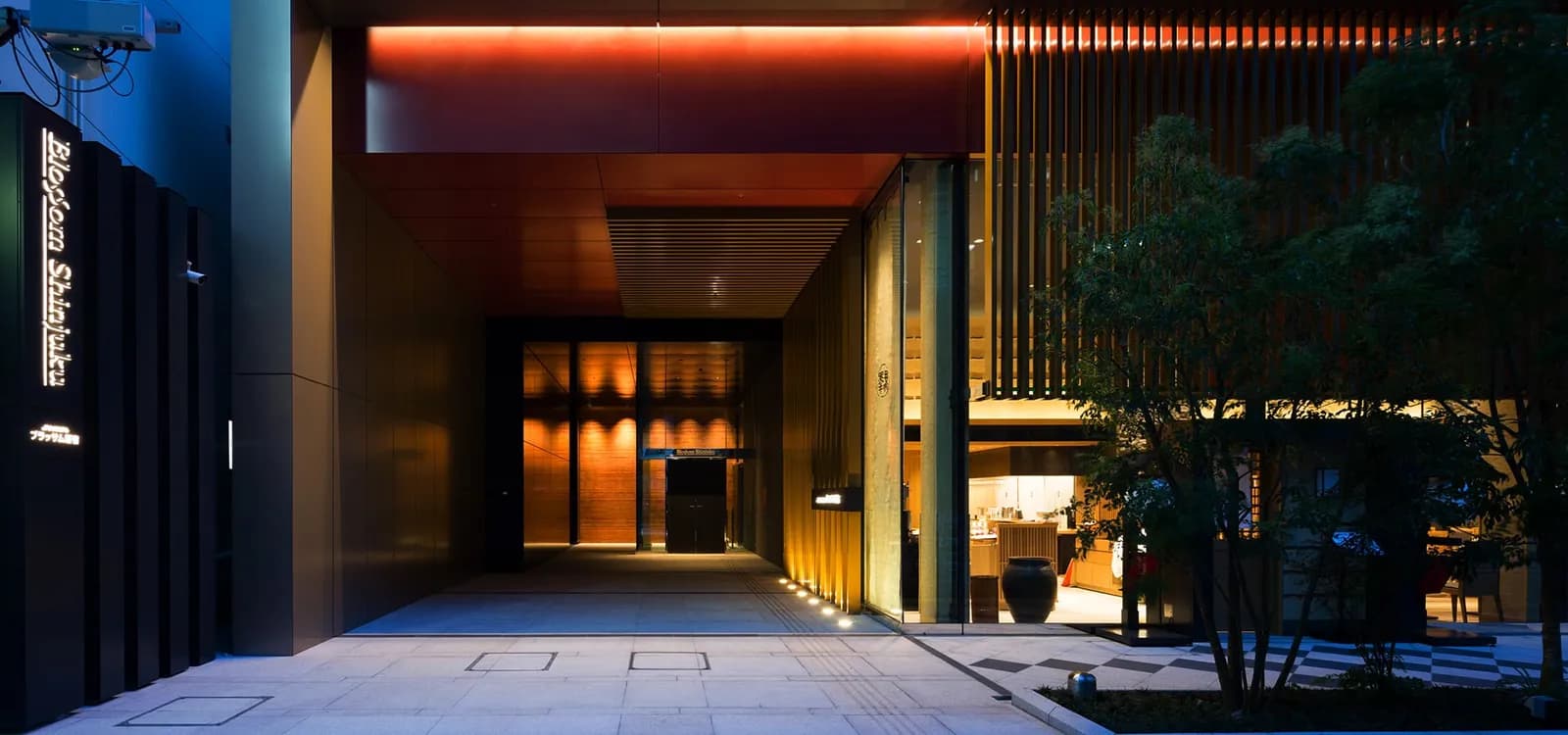
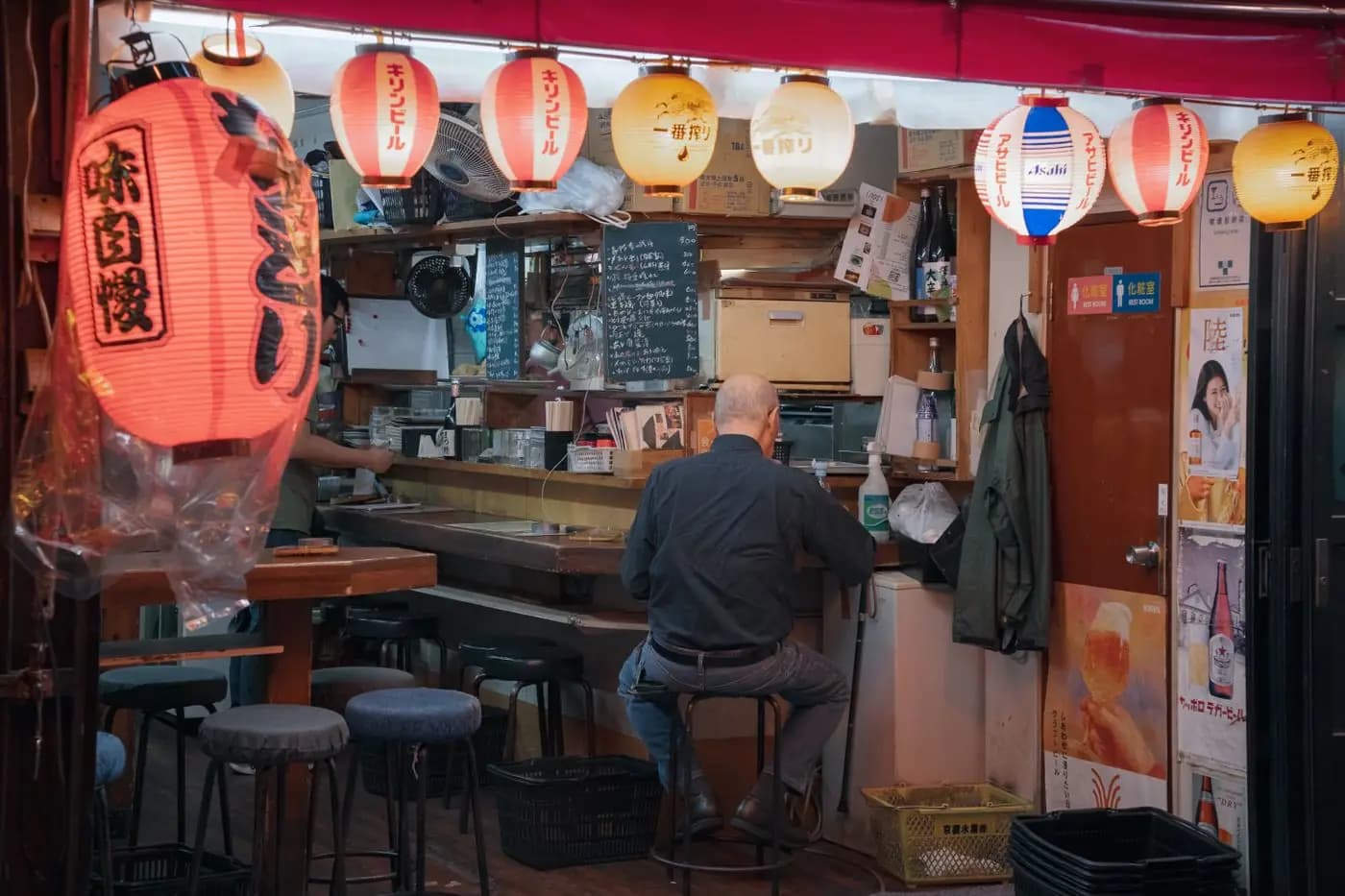
Shinjuku has two faces. To the west, Nishi-Shinjuku is lined with long-established hotel towers, including Hilton Tokyo, whose banquet rooms can host several hundred guests. To the east, the lanes of Omoide Yokocho and Golden Gai offer more informal evenings. The district also has a wide business hotel offering, such as JR Kyushu Hotel Blossom Shinjuku or Tokyu Stay Shinjuku, useful for large groups or longer stays.
- Best for: tech teams, young-talent seminars, larger groups on a controlled budget.
- Plan ahead: Shinjuku Station is among the busiest in the world; our team always escorts groups through transfers and uses the exits closest to the hotel.
Odaiba and Ariake: the convention and trade show zone
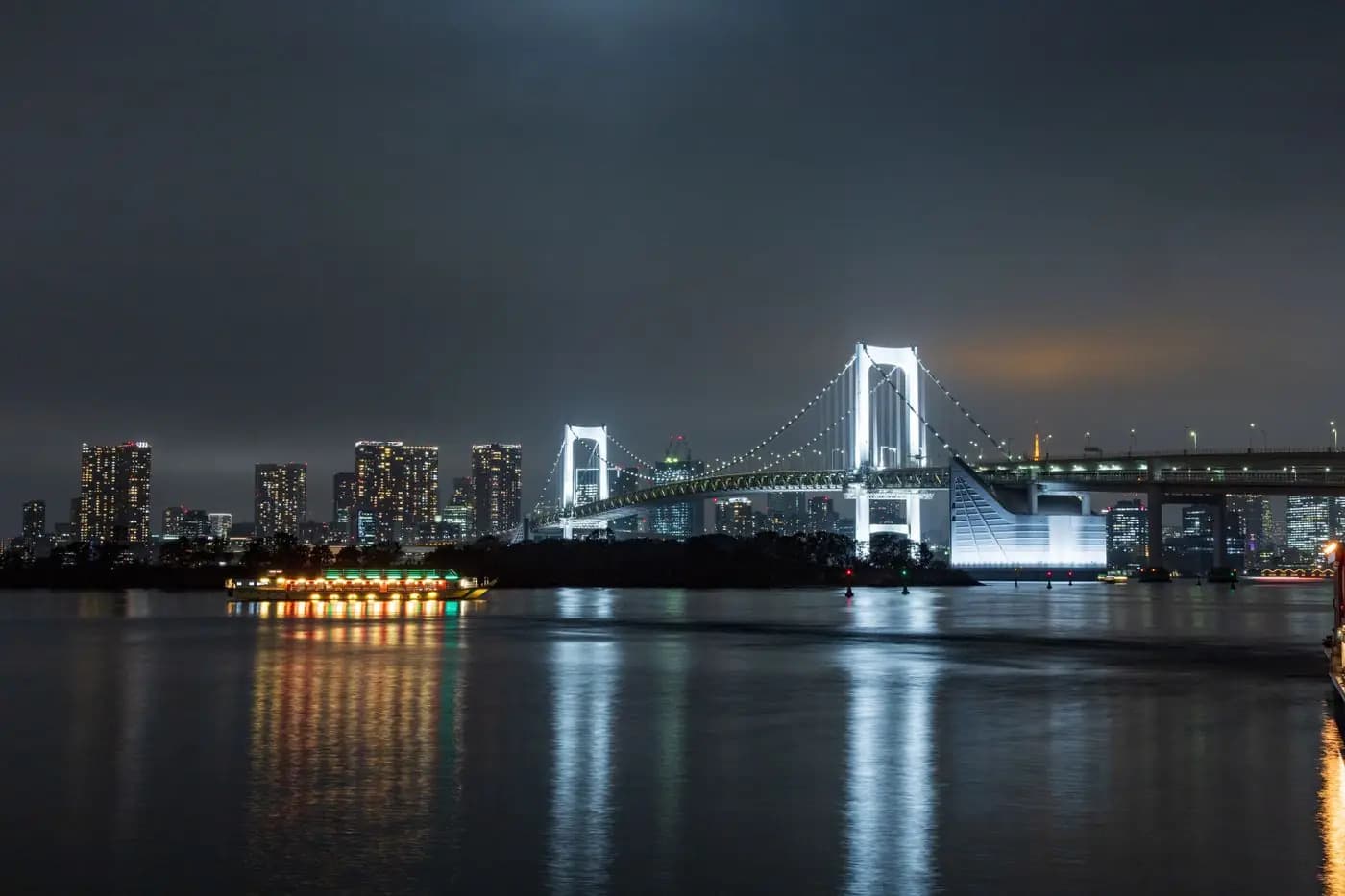
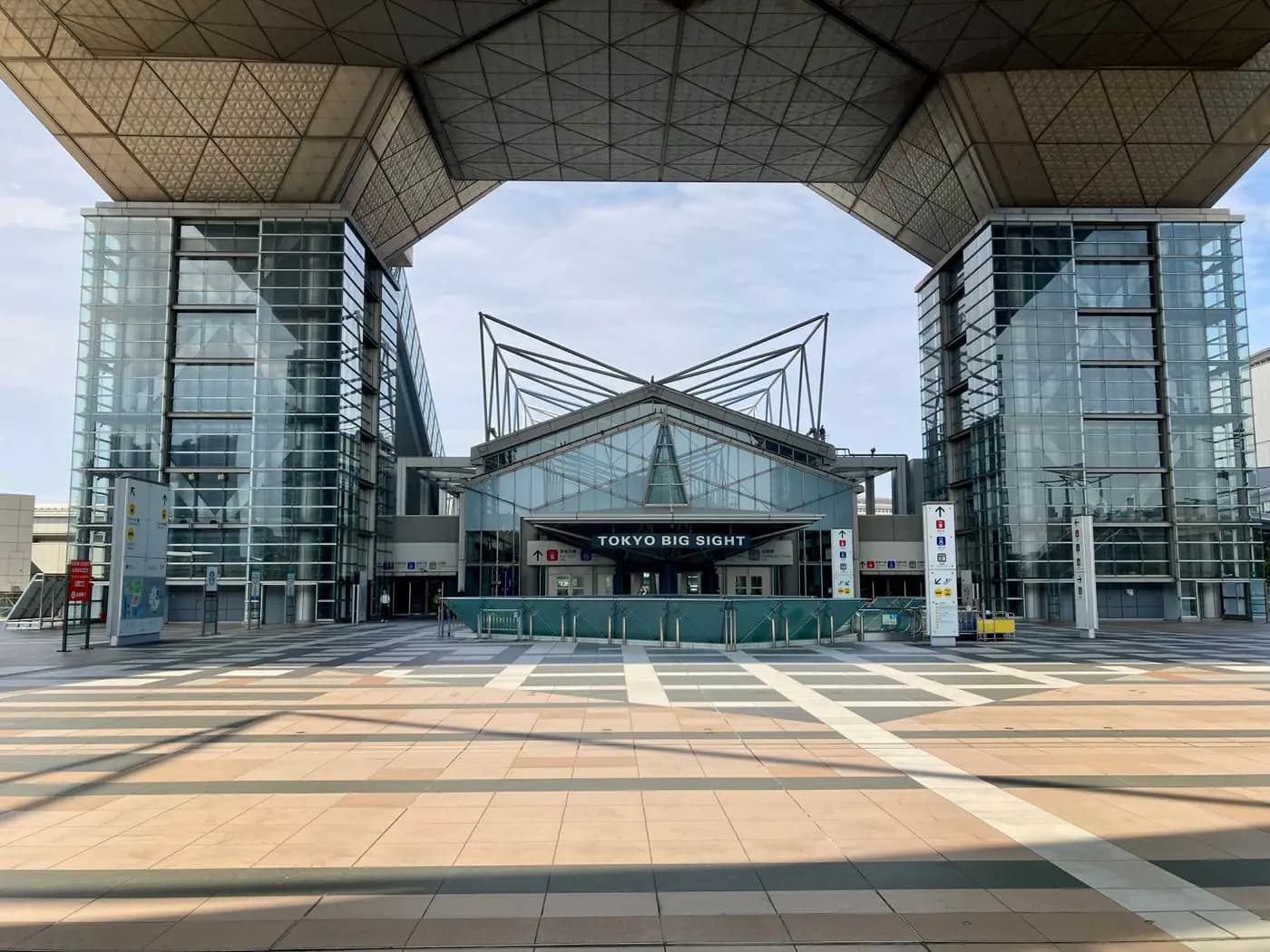
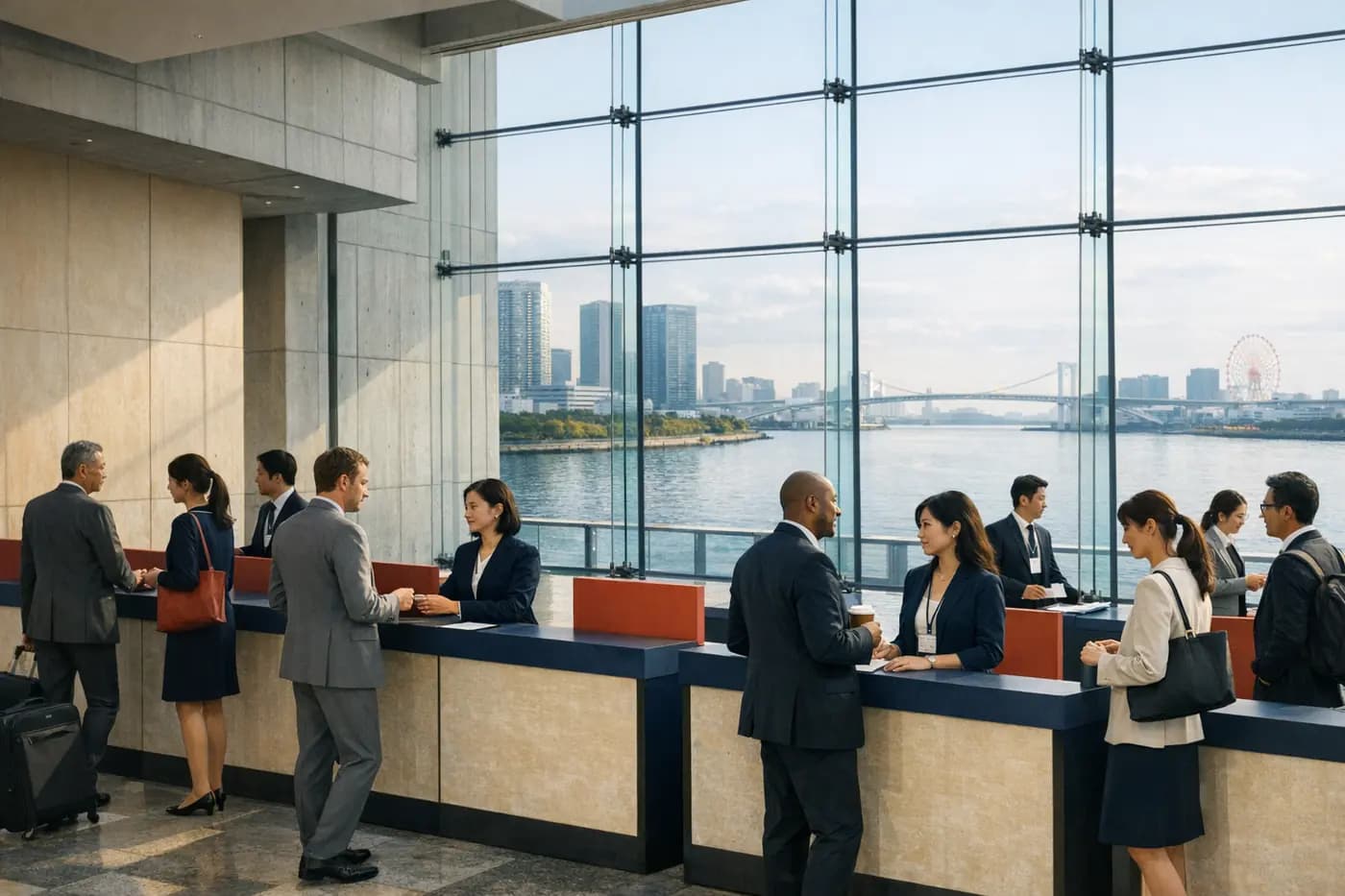
On the reclaimed land of Tokyo Bay, Ariake is home to Tokyo Big Sight, Japan’s leading exhibition center. According to its official site, it has 16 halls with 115,420 m² of exhibition space and around twenty conference rooms. It is served by the Yurikamome and the Rinkai Line. Neighboring Odaiba adds bay-view hotels and leisure facilities.
For a convention, trade show or exhibition stand, there are two options:
- Stay in Ariake or Odaiba to eliminate daily transfers, accepting a more limited choice of restaurants in the evening.
- Stay in central Tokyo (Ginza, Shiodome, Shimbashi) and allow 30 to 45 minutes of transfer, by dedicated coach or by the Yurikamome from Shimbashi.
We often recommend a combination: central accommodation for the quality of the evenings, dedicated shuttles during show hours, and a Tokyo Bay cruise dinner to connect the two settings.
Our operational rules for a Tokyo seminar
Whatever the district, a few principles make the difference between a smooth program and a tiring one:
- Stay where you work. A three-day seminar with a daily plenary works best in the host hotel or within walking distance.
- Avoid the morning rush. Between 7:30 and 9:30 a.m., trains are packed and traffic is heavy. We shift departure times or favor walking routes.
- Match the airport. According to Japan Meetings & Events (JNTO), Haneda is 14 minutes from Shinagawa by Keikyu, and Narita 53 minutes from Tokyo Station by Narita Express. The district should fit the arrival airport.
- Book early in peak season. During cherry blossom season (late March to early April) and in autumn, upscale hotels sell out far in advance.
- Have a rain plan. The rainy season in Tokyo usually runs from June to mid-July; every outdoor activity needs an indoor alternative.
At SHINOGI DMC, we often combine two districts in a single seminar: one to work in, another for the evenings. It is the best way to show several sides of Tokyo without multiplying transfers.
Frequently asked questions
Which Tokyo district is best for an executive seminar?
Marunouchi and Toranomon are the best fit. They offer an institutional setting, direct access to Tokyo Station and upscale hotels such as The Okura Tokyo or the nearby Imperial Hotel in Hibiya. Evenings can be held in Ginza, a few minutes away.
Should we stay in Ariake for a trade show at Tokyo Big Sight?
Not necessarily. Staying in Ariake or Odaiba removes transfers, but the restaurant choice is more limited. Staying in Ginza or Shiodome means 30 to 45 minutes of transfer, offset by richer evenings. We decide based on the length of the show and the team’s schedule.
How far in advance should we book a seminar hotel in Tokyo?
For groups of more than 50 people, we recommend securing rooms and function space 9 to 12 months ahead, longer for cherry blossom season or autumn. For a committee of 20 to 30 people outside peak season, 4 to 6 months is often enough.
Are Shibuya or Shinjuku suitable for a corporate seminar?
Yes, especially for tech or marketing teams and larger groups. Nishi-Shinjuku has large hotels with banquet rooms, and Shibuya offers a contemporary setting for company visits and urban activities. Movements through very busy stations simply need to be escorted.
Rédaction SHINOGI DMC · Updated