Ume, the Japanese apricot, and why Minabe-Tanabe is its capital
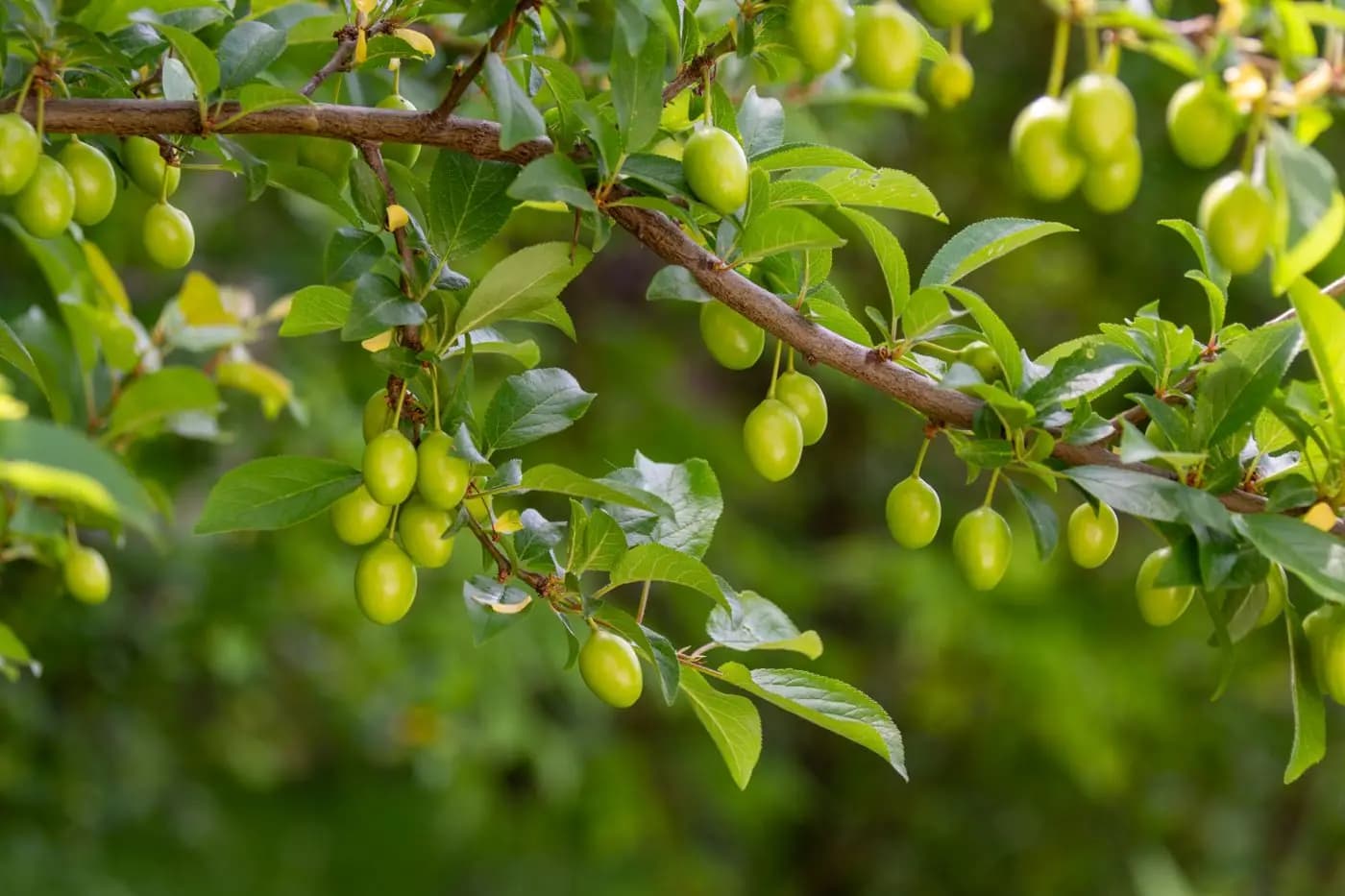
Ume (Prunus mume) is often translated as "Japanese plum", but it is closer to the apricot. Raw it is inedible: very sour, hard, and even slightly toxic while green. All its value comes from processing: it becomes umeboshi (salted, sun-dried ume), umeshu (ume liqueur), syrups, jams and a host of seasonings. The umeboshi in the middle of a rice ball or beside the breakfast bowl is part of daily life for millions of Japanese people.
Wakayama Prefecture, south of Osaka, harvests about two thirds of the national crop (64,400 tonnes out of 96,600, according to figures published by the prefecture). And within Wakayama, two neighbouring municipalities on the west coast of the Kii Peninsula dominate: the small town of Minabe and the city of Tanabe. On the hills around them, ume trees cover the slopes right up to the ridges.
This is also the home of Nanko-ume, the variety behind the reputation of "Kishu ume" (Kishu being the province's old name). From 1950, Minabe growers spent five years comparing trees across the district to select the best. Because Minabe's high school (Nanbu Koko) played a big part in the surveys, the variety was named Nanko ("Nan-ko", Nanbu High) and registered in 1965. Its fruit is large, thin-skinned and fleshy, often with a rosy blush on the sunny side: ideal for premium umeboshi.
You can enjoy the region without being a food specialist: the winter blossom, the smell of ripe fruit in June and the drying racks of July are reason enough for a detour, especially on the way to Shirahama or the Kumano Kodo.
The Minabe-Tanabe Ume System, a Globally Important Agricultural Heritage System
On 15 December 2015 the FAO listed the "Minabe-Tanabe Ume System" as a Globally Important Agricultural Heritage System (GIAHS). What was recognised is not a single orchard but a system about 400 years old, combining three elements:
- Ume orchards on the slopes. The region's soils are thin and stony, unsuited to rice. In the 17th century the Kishu domain encouraged ume growing on these poor lands, exempting certain plots from tax.
- Coppice forests kept on the ridges and steep slopes. They include ubamegashi oaks, used for Kishu binchotan, a very hard white charcoal prized by yakitori and eel restaurants. Charcoal makers cut trunks selectively, leaving younger ones to regrow, which keeps the forest in place, holds water and limits landslides.
- Japanese honeybees. They live in these forests and pollinate the ume blossom in February, when few other insects are active. In return, the flowers are one of the first nectar sources of the year.
The system shows how a monoculture has lasted four centuries without exhausting the landscape: the forest protects the orchard, the orchard feeds the bees, the bees secure the harvest. It makes a good discussion topic for a group working on sustainability or resource management.
On site you can see the terraced orchards from ridge roads, stop by the charcoal kilns (Tanabe has a park devoted to binchotan) and buy ume-blossom honey, produced in small quantities.
When to see the ume blossom: Minabe Bairin orchard
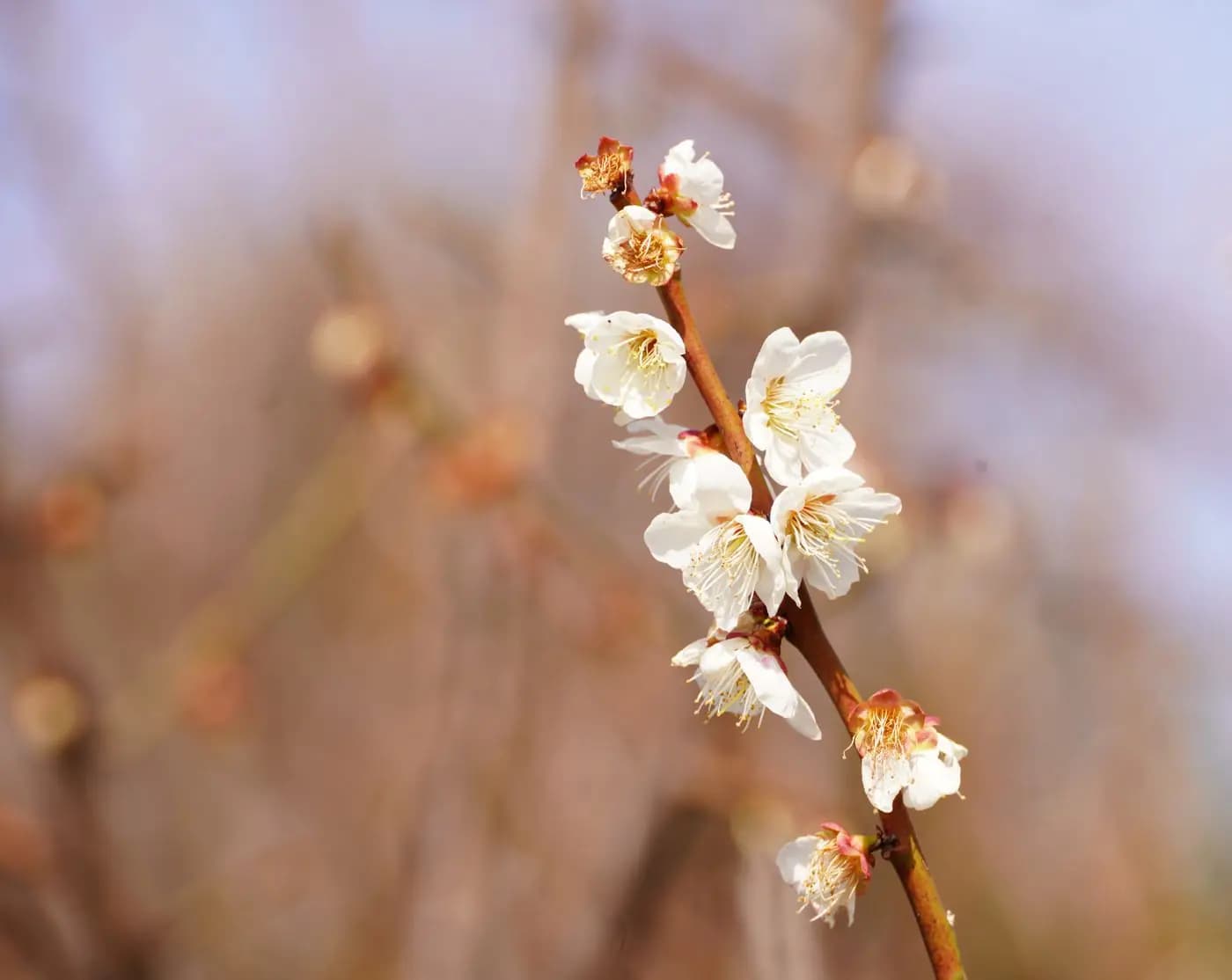
Ume trees blossom well before cherries, in mid-winter. Around Minabe, flowering begins in late January and usually peaks around mid-February. Nanko blossoms are white and lightly scented, and on still days the fragrance drifts across the valleys.
The best-known site is Minabe Bairin (Minabe plum grove), described as one of the largest in Japan, with the local saying "a million trees at a glance, a scent carried ten ri". These are working orchards opened to the public during the blossom.
Practical information (2026 season):
- Open: 31 January to 1 March 2026, 8am to 5pm. Dates change each year depending on the weather.
- Admission: ¥500 for adults (high-school age and over), ¥200 for primary and junior-high pupils.
- Walking: two marked loops of 3 and 4 km on the slopes; allow 1 to 1 hr 30 min.
- Access: a seasonal bus from JR Minabe Station (about 10 minutes); by car, 5 minutes from the Minabe exit of the Hanwa Expressway.
- Events: stalls selling ume products, and mochi-throwing on some Saturdays.
Tips: come on a weekday and in the morning, before the tour coaches. Wear good shoes, as the paths are earth and sloping. It is chilly on the ridges in February: an extra layer will not go amiss.
The Michi-no-eki Minabe Ume Shinkokan, an ume visitor centre on the national road, rounds off the visit: exhibits on the history and cultivation of ume, local products for sale, free admission, 9am to 5pm, closed Tuesdays (open daily in February).
From harvest to umeboshi: how salted ume are made
The ume calendar is very short, and it determines the best time to see growers at work.
- Late May to early June: harvest of green ume (ao-ume), firm and sour, used for umeshu and syrups.
- Mid-June to early July: harvest of ripe ume for umeboshi. In Minabe, nets are stretched under the trees and the fruit is left to fall by itself when fully ripe; it is gathered every morning. The orchards smell of peaches.
- July–August: sun-drying.
Traditional production takes three steps:
- Salting. Washed fruit goes into vats with salt, around 18 to 20% of its weight in the old recipe, and is weighted down. It releases a sour liquid, umezu (ume vinegar). It is left for about a month.
- Drying (doyo-boshi). On the hottest days of summer, the fruit is spread on open-air racks for three days and three nights and turned by hand. Night dew softens the skin, daytime sun concentrates the flesh. You can see these racks along Minabe's roads in July.
- Finishing. The result is shiraboshi, plain umeboshi, very salty and very sour, which keeps for years. Many producers then lightly desalt it and season it: with honey (hachimitsu-ume), bonito (katsuo-ume), red shiso, or in low-salt versions.
Some producers and the ume centre run workshops: make your own umeboshi or umeshu to take away, at around ¥2,200 and 20 to 30 minutes; the umeshu workshop is for over-20s only. Availability depends on the season, so book ahead.
When buying, read the label: salt content (from 3% to over 20%), type (shiraboshi or seasoned) and origin ("Kishu Minabe", "Nanko"). A 500 g pot of good seasoned Nanko typically costs ¥2,000 to ¥5,000 depending on size; the largest flawless fruit is sold in gift boxes.
Umeshu: tastings, Choya and Wakayama's producers
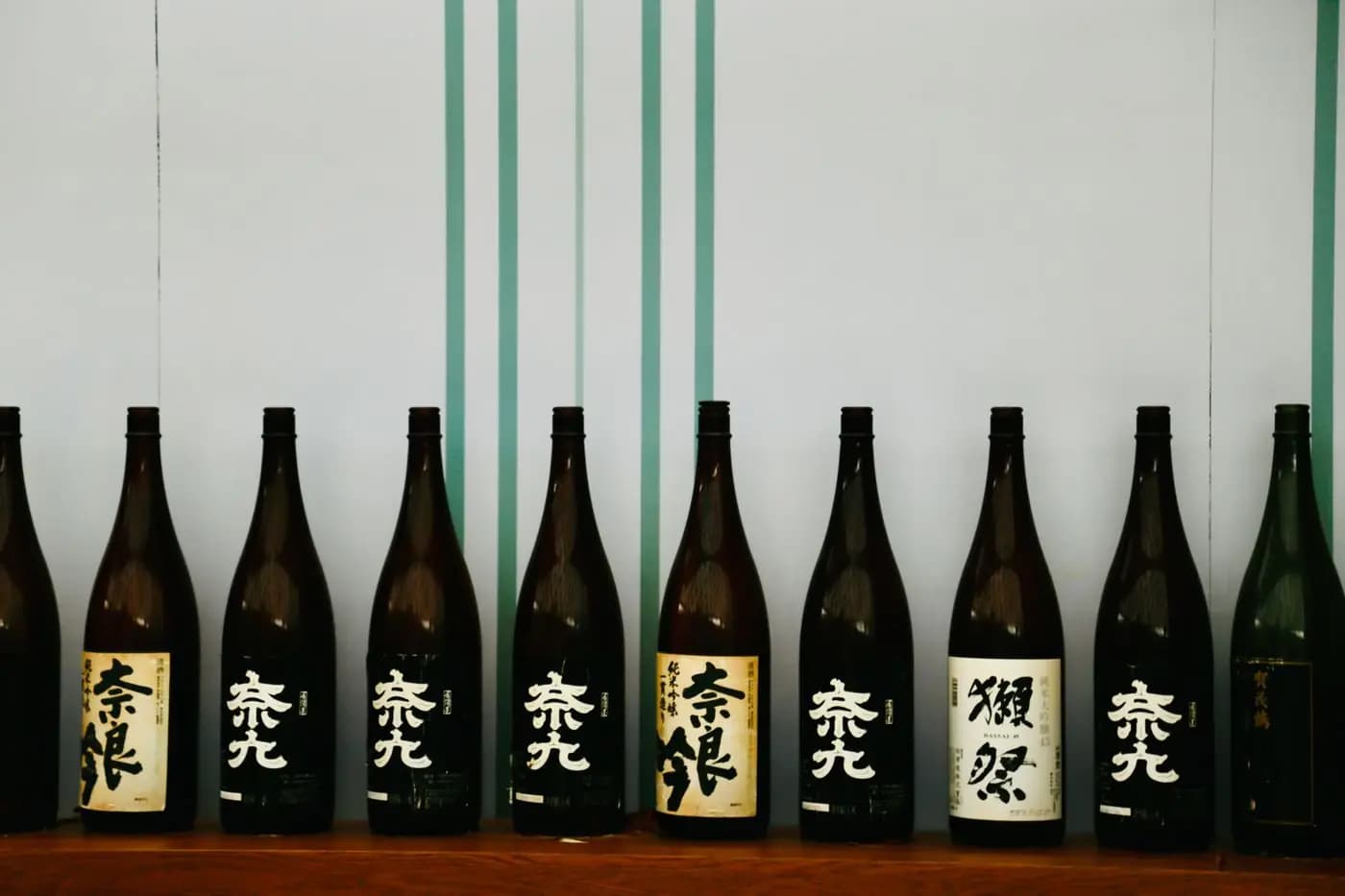
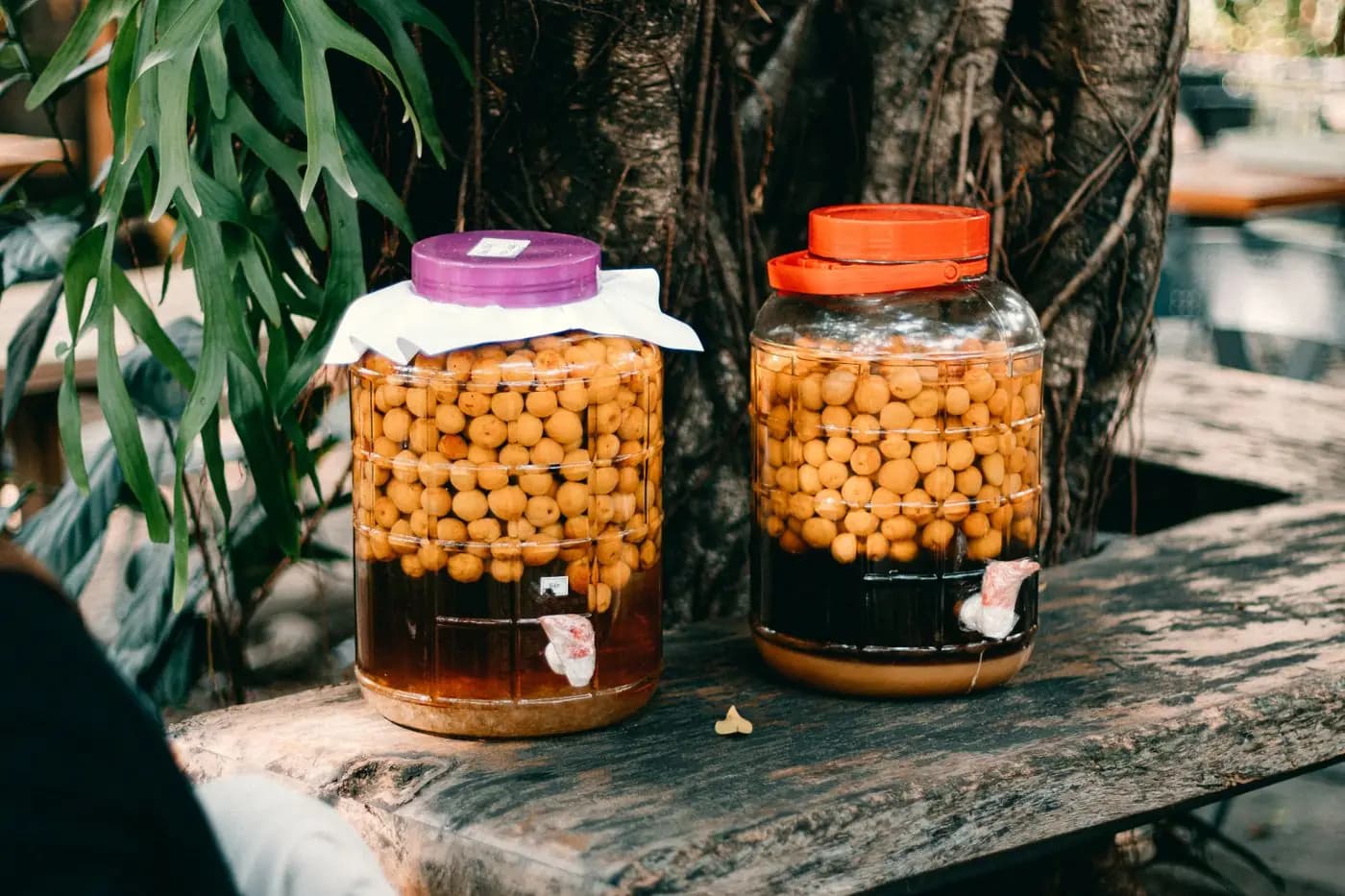
Umeshu is made by steeping green ume in a neutral spirit (or shochu, sake, brandy) with sugar for several months to more than a year. The result is an amber liqueur, sweet and tangy, at around 10 to 15% ABV, drunk on the rocks, topped with soda (soda-wari) or warm in winter. Many Japanese families still make their own umeshu in June, in large glass jars.
Choya, the best-known umeshu brand abroad, is headquartered in Habikino, Osaka Prefecture. It highlights an additive-free recipe (only ume, sugar and alcohol) using Japanese ume, largely Kishu Nanko. Its bottle with the fruit at the bottom is a fixture in Japanese grocery shops in Europe. For a brand experience, Choya opened the shop-workshop 蝶矢 (Choya) in Kyoto in 2018, where you blend your own umeshu or syrup: choose from five types of ume, several sugars and four spirits, kits from ¥2,160, about 30 minutes, by reservation. The jar is finished at home after a few months of steeping.
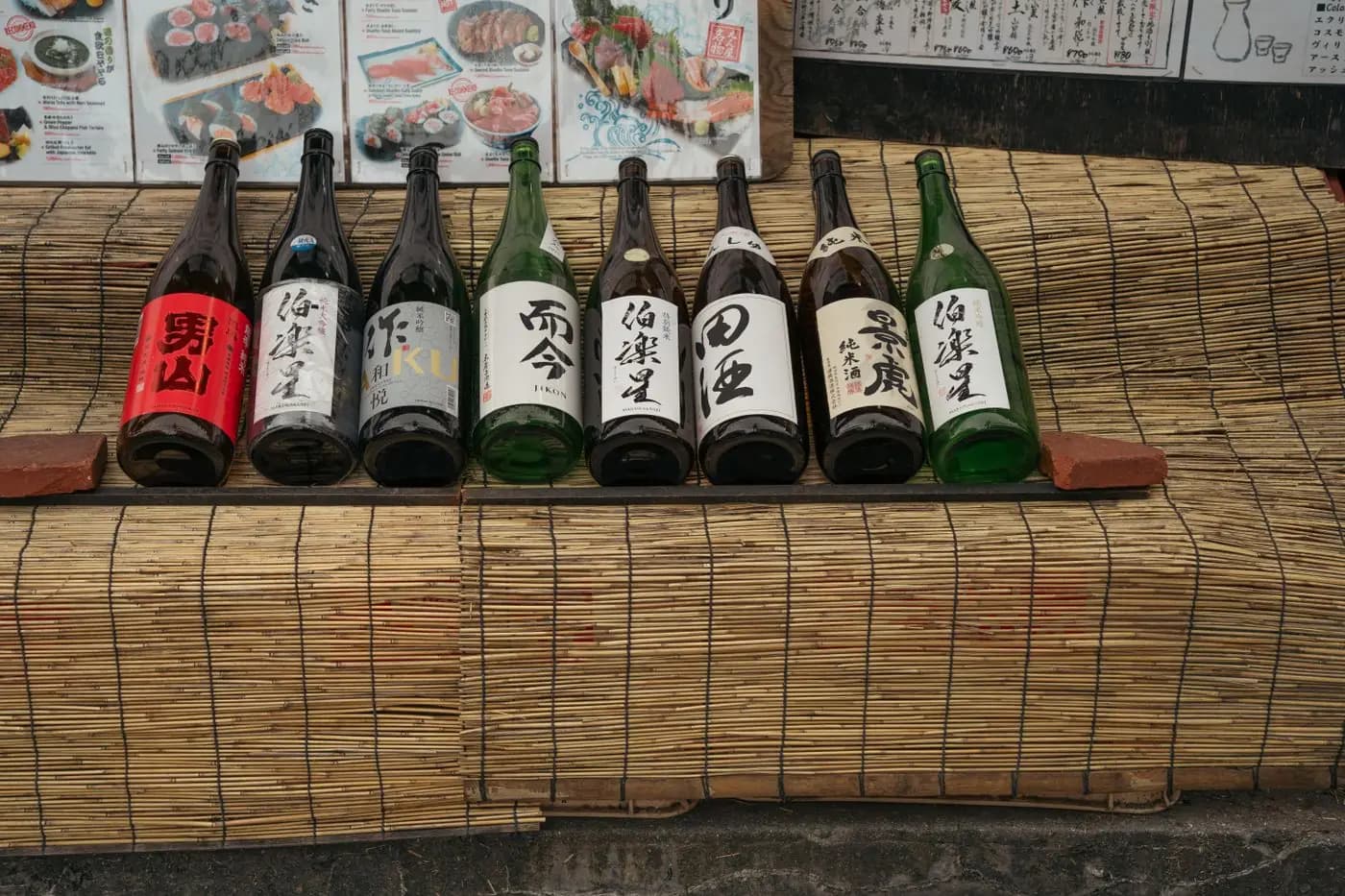
In Wakayama Prefecture itself, several umeshu and sake producers receive visitors. The most visited is Nakano BC in Kainan, on the road between Osaka and Minabe: free tours of the sake and umeshu cellars, a Japanese garden of about 10,000 m², tastings and paid umeshu-making workshops. Book by the day before at the latest; 9am to 4pm.
How to taste:
- Compare a basic umeshu, an aged umeshu (several years), a sake-based umeshu and a honey or yuzu umeshu: the differences are clear.
- Taste neat, then on ice, then diluted: dilution changes everything.
- The steeped fruit is edible and often offered at the end of the tasting.
Bottles travel well in checked luggage if well wrapped. EU arrival alcohol limits apply as for sake.
Getting to Minabe and Tanabe, and combining with the Kumano Kodo and Shirahama
Access. The Kuroshio limited express (JR) links Shin-Osaka and Tennoji with Wakayama's south coast: about 2 hours to Minabe, a little more to Kii-Tanabe, and about 2 hr 30 min to Shirahama. By car, the Hanwa Expressway reaches Minabe in just under 2 hours from central Osaka, traffic permitting. Shirahama also has a small airport (Nanki-Shirahama), linked to Tokyo Haneda in just over an hour.
Once there, orchards, workshops and producers are spread across the hills: a car or minibus is essential to see several in a day.
How long? Half a day is enough for Minabe (ume centre, a producer, an orchard viewpoint); a full day with a workshop and lunch. The area fits naturally into a wider tour:
- Kumano Kodo: Kii-Tanabe is the gateway to the Nakahechi route. The bus to the Takijiri-oji trailhead takes about 40 minutes. A morning in Minabe the day before the walk, or an ume stop on the way back, needs no detour.
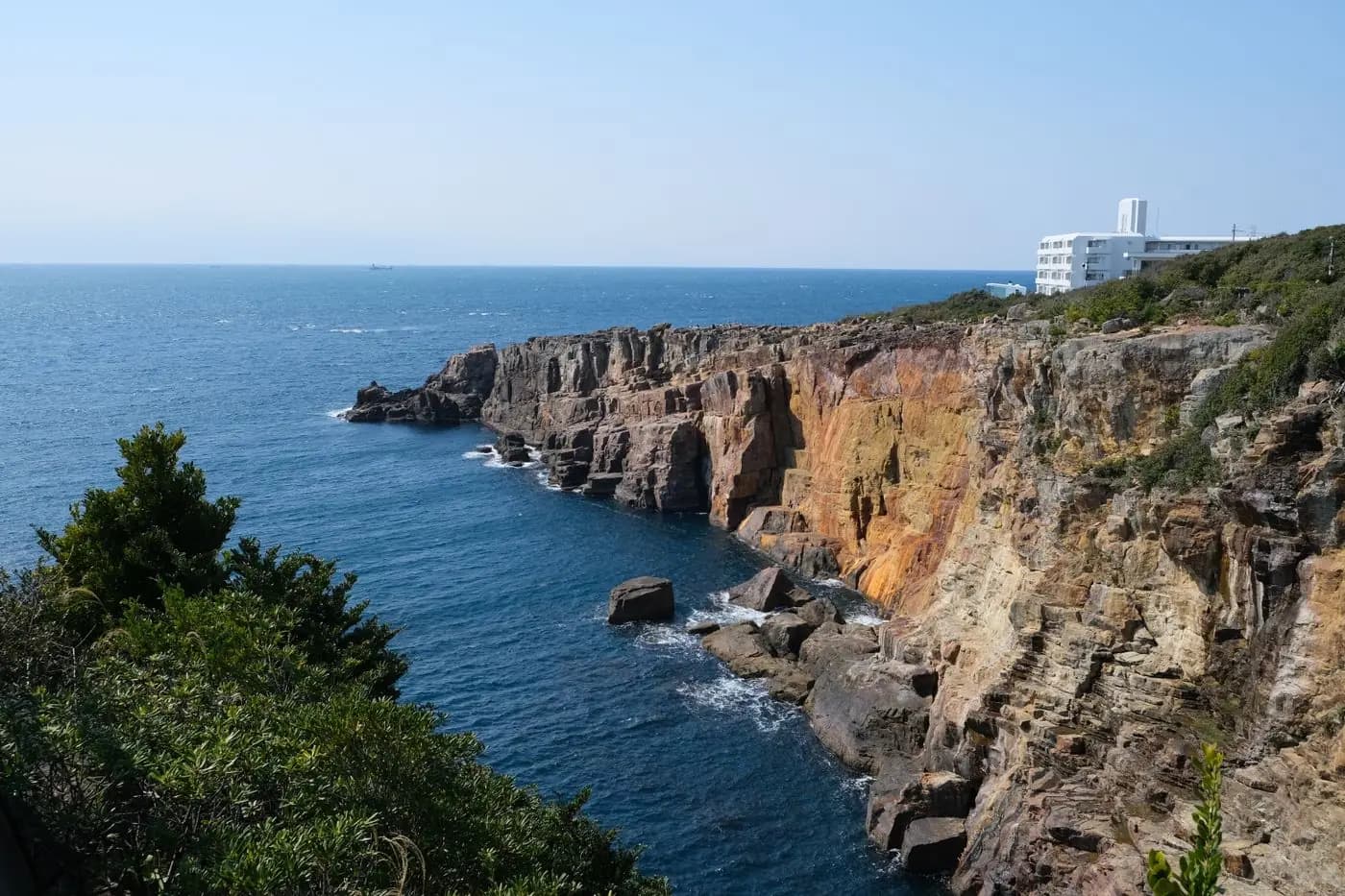
- Shirahama: a seaside resort 20 minutes south of Tanabe, with Shirarahama white-sand beach, the Sandanbeki cliffs, the Senjojiki rock shelves and seaside onsen, including the Saki-no-yu public bath facing the Pacific.
- Kainan and Wakayama: on the way from Osaka, for an umeshu stop at a producer and Wakayama Castle.
A smooth three-day plan from Osaka: day 1, Kainan (umeshu) then Minabe, night in Shirahama; day 2, a stage of the Kumano Kodo from Takijiri; day 3, Kumano Hongu Taisha then back.
Ume for groups: grower visits, umeboshi workshops and gifts
For a corporate group, ume has two strengths: a concrete subject (farming, processing, sustainability through the GIAHS system) and activities where everyone gets hands-on. It slots easily into a Kansai incentive, a stay in Shirahama or a Kumano Kodo programme.
What works for 20 to 40 people:
- A visit to a grower-processor: orchards, salting vats, drying racks, shop. Minabe's family businesses are happy to host groups by appointment, ideally outside the June harvest peak when every pair of hands counts.
- An umeshu or umeboshi workshop: everyone prepares their own jar (umeshu for over-20s only). Plan consolidated shipping if the group is flying home: a jar of liquid is bulky.
- An umeshu tasting at a producer on the road from Osaka, combined with lunch.
- A walk through the Minabe grove in February during the blossom, with a guide explaining the forest-orchard-bee system.
- Gifts: boxes of large Nanko umeboshi, small bottles of umeshu, ume-blossom honey, binchotan. For custom labels or several dozen boxes, allow several weeks.
Note that February (blossom) and June (harvest) are the most telling months but the busiest for growers. A July visit, during drying, is a good compromise. Also mind allergies and diets: umeboshi is very salty, and some recipes contain bonito or honey.
SHINOGI DMC designs Osaka-Wakayama tours combining ume, the Kumano Kodo and Shirahama: producer appointments, workshops, coach or minibus transport, interpreter and gift management.
Frequently asked questions
When can you see the ume blossom in Minabe?
From late January to early March, peaking around mid-February. In 2026 Minabe Bairin was open from 31 January to 1 March, 8am to 5pm, for ¥500 per adult.
What is Nanko-ume?
Japan's most renowned ume variety, selected in Minabe from 1950 and registered in 1965, named after Minabe's high school (Nanbu Koko). Its large, thin-skinned, fleshy fruit makes the best umeboshi.
Why is Minabe-Tanabe a world agricultural heritage site?
Because its ume orchards have worked for about 400 years alongside ubamegashi oak forests (the wood for binchotan charcoal), which protect the slopes, and Japanese honeybees, which pollinate the blossom. The FAO listed it on 15 December 2015.
Can you make your own umeboshi or umeshu?
Yes: in Minabe some producers run 20 to 30-minute workshops at around ¥2,200 (umeshu for over-20s), by reservation. In Kyoto, the Choya shop lets you blend your own umeshu from ¥2,160.
How do you get to Minabe from Osaka?
By JR Kuroshio limited express from Shin-Osaka or Tennoji, about 2 hours to Minabe Station; or by car on the Hanwa Expressway, just under 2 hours. Locally, a car is needed.
Can you combine Minabe with the Kumano Kodo and Shirahama?
Yes, easily: Kii-Tanabe, next to Minabe, is the gateway to the Kumano Kodo Nakahechi (40 minutes by bus to Takijiri-oji), and Shirahama is 20 minutes south of Tanabe.
Rédaction SHINOGI DMC · Updated
Sources
- Préfecture de Wakayama — Minabe-Tanabe Ume System (GIAHS)
- Préfecture de Wakayama — Plan d'action du système ume
- MAFF — Le patrimoine agricole mondial au Japon (ume de Minabe-Tanabe)
- Préfecture de Wakayama — Michi-no-eki Minabe Ume Shinkokan
- Tabi-mag — Minabe Bairin (saison 2026, tarifs)
- Préfecture de Wakayama — Nakano BC (visite et umeshu)
- Choya — Boutique-atelier 蝶矢 à Kyoto