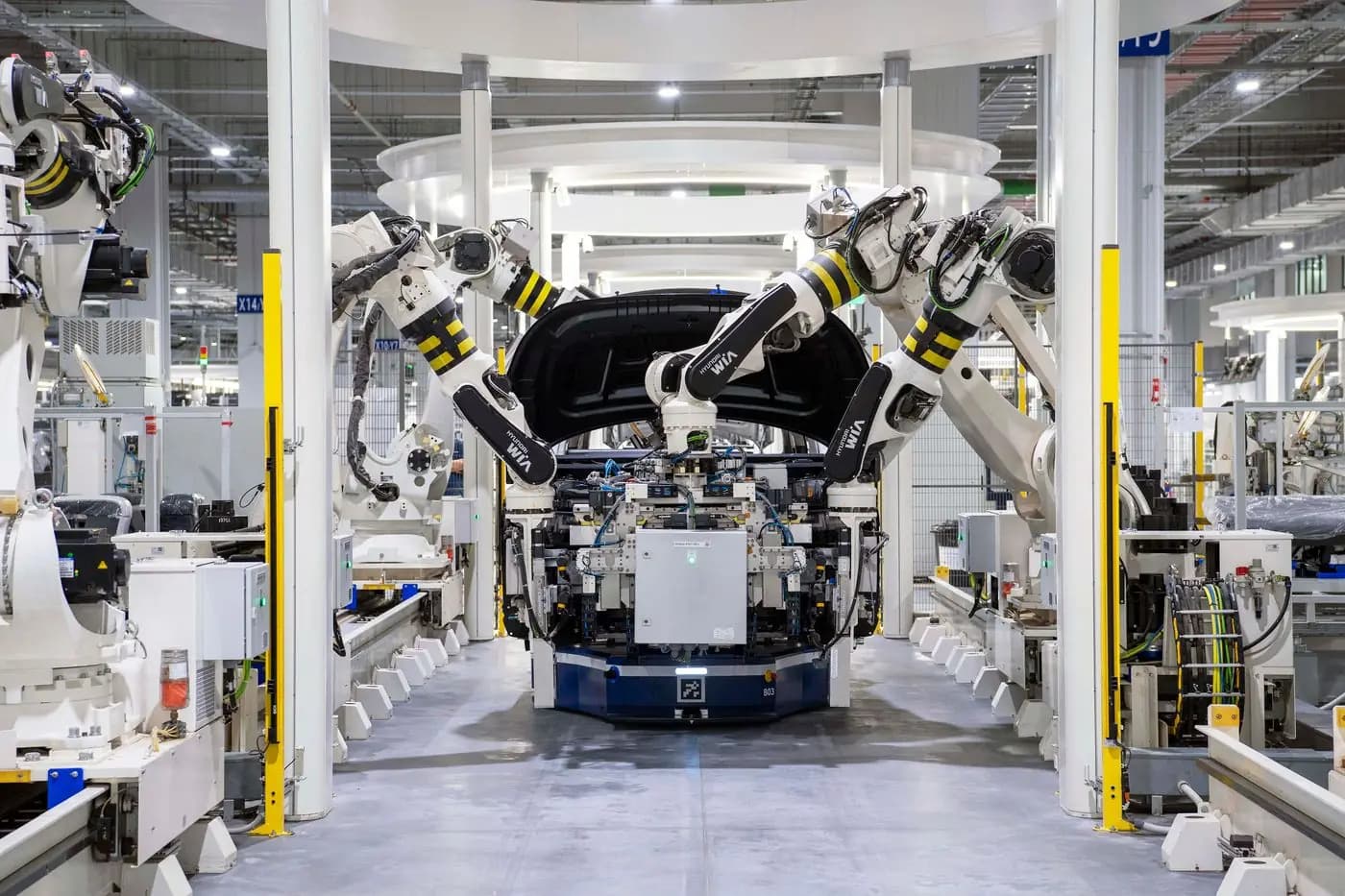
Can you visit a factory in Japan with a group?
Yes, but not the way people often imagine. In Japan, factory tours (工場見学) are an old, free and very popular tradition, especially with schools. Car and motorcycle makers open their lines on weekdays to Japanese groups under strict conditions: applications months ahead, lotteries, tours in Japanese, no photos and no phones. For a foreign group, and even more so for a group organised by an agency, access is narrower than it looks.
Three realities to know before building a programme:
- Several plants explicitly refuse commercial visits, which includes tours sold by travel companies and paid seminars. It is written in black and white at Honda Suzuka and at the Mazda Museum in Hiroshima.
- The tour language is Japanese in almost every case. Some plants ask foreign visitors to bring an interpreter; others require participants to be able to communicate in Japanese.
- Corporate museums are the most reliable way in: public opening hours, group rates and sometimes guided tours in English.
This guide reviews what is open in 2026 at Toyota, Honda, Yamaha, Kawasaki, Mazda and Nissan, with each site's official rules, then explains how to build an industrial day for a corporate group. It complements our articles on Kitakyushu's industrial heritage and on the metalworking workshops of Tsubame-Sanjo.
Can you tour a Toyota factory in Japan?
It is the most searched question, and the answer surprises people: tours of Toyota's head-office plants in Toyota City (Motomachi, Takaoka and Tsutsumi) have been suspended since 12 July 2021, with no restart date announced according to Nagoya's official tourism office. Many online guides still describe the shuttle from Toyota Kaikan to the assembly line; they predate the suspension.
What remains open is enough for a solid day:
- Toyota Kaikan (Toyota City): the corporate showroom, free, open Monday to Saturday from 9:30am to 5pm, closed on Sundays. Electrification, safety and mobility. Allow 30 to 60 minutes. Meitetsu bus from Toyotashi Station, or private coach.
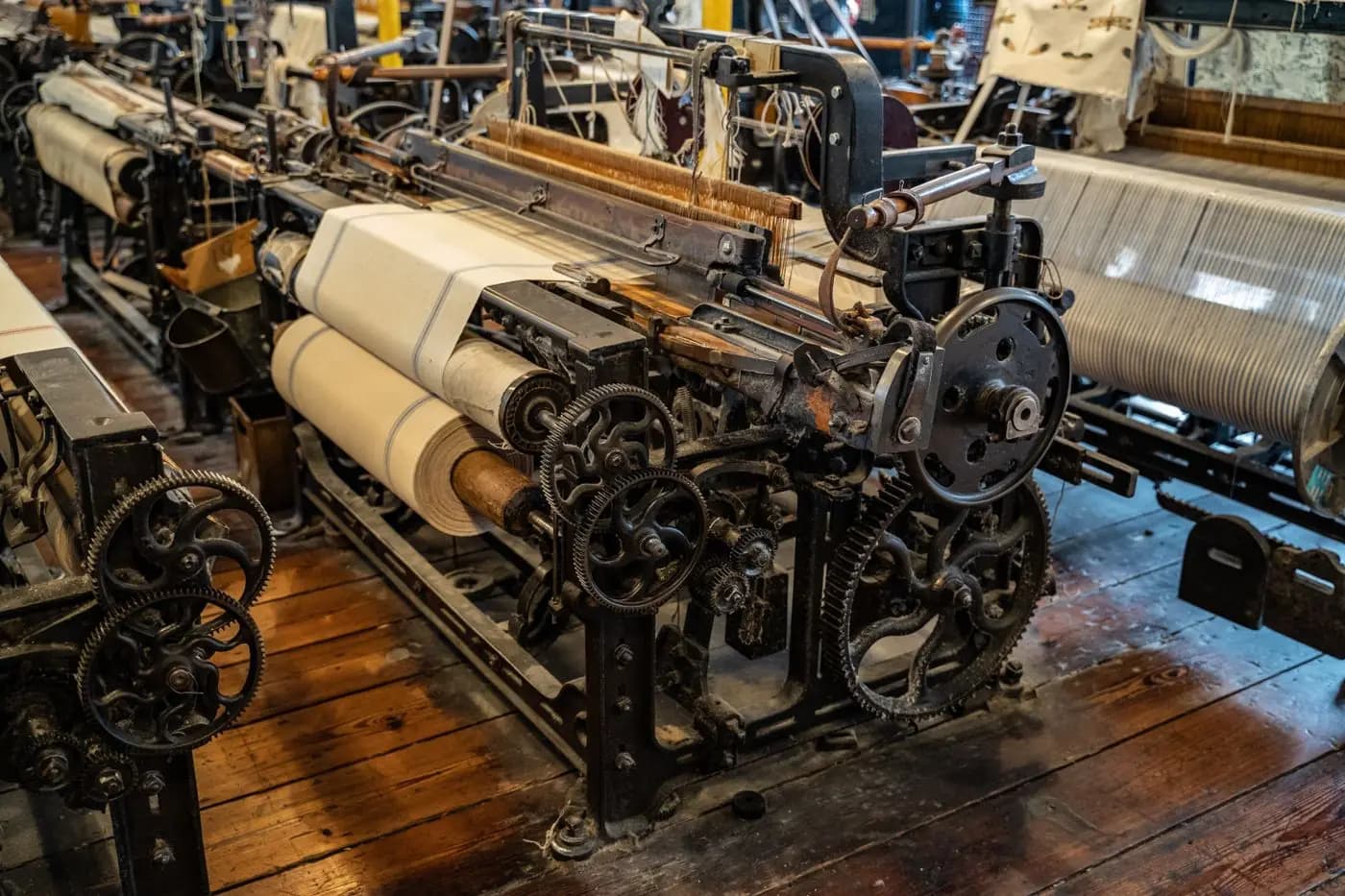
- Toyota Commemorative Museum of Industry and Technology (Nagoya, Noritake district): in the former red-brick plant of Toyoda Automatic Loom Works. Loom demonstrations, then the history of the automobile up to robotised lines. Open 9:30am to 5pm (last entry 4:30pm), closed on Mondays. ¥1,000 per adult, ¥800 for groups of 30 or more. English guided tours on Sundays at 2pm (textile pavilion) and 3:15pm (automobile pavilion), 45 minutes each, no booking.
- Toyota Automobile Museum (Nagakute): Japanese and foreign cars from the late 19th century to today. Open 9:30am to 5pm, closed on Mondays. ¥1,200 per adult, ¥1,000 for groups of 20 or more, with a group booking form and boxed lunches available on request.
For a group interested in lean and jidoka, the Commemorative Museum is the centrepiece: you see Sakichi Toyoda's automatic loom stop by itself the moment a thread breaks, the principle behind the Toyota Production System. Allow at least 2 hours.
Honda factory tours in Japan: Suzuka and Kumamoto by lottery
Honda publishes very precise conditions for its Japanese plants. Two sites are of particular interest to groups: Suzuka (Mie), a car plant, and Kumamoto (Kyushu), Honda's mother plant for motorcycles, where the Gold Wing, the Super Cub and the Rebel 1100 are built.
Suzuka:
- online application from the 1st to the 7th of the month, three months before the requested date, followed by a lottery (answer by the 25th);
- groups only: 10 to 25 people per coach, 3 coaches maximum; individual applications are refused;
- tours in Japanese only, with one interpreter required per group of 25;
- phones, tablets and cameras are banned inside the plant, no photos;
- employees of competing manufacturers are not accepted, and travel-company tours and paid seminars are not received.
Kumamoto:
- application from the 1st to the 10th of the month, two months ahead, lottery, then submission of the name list;
- groups of 5 to 100 people, Monday to Friday, slots from 9am to 11am and 2pm to 4pm;
- briefing, video, motorcycle assembly tour, Q&A;
- dress code: no sleeveless tops, shorts, sandals or heels over 5 cm; caps lent on site; no children under 5;
- Japanese only, so foreign visitors must bring an interpreter; a visit deemed commercial can be cancelled even after acceptance.
Both sites were fully booked until the end of 2026 or January 2027 at the time of writing. In practice, these visits suit a company applying in its own name for its employees, with a genuine professional reason.
Yamaha and Kawasaki: corporate museums rather than assembly lines
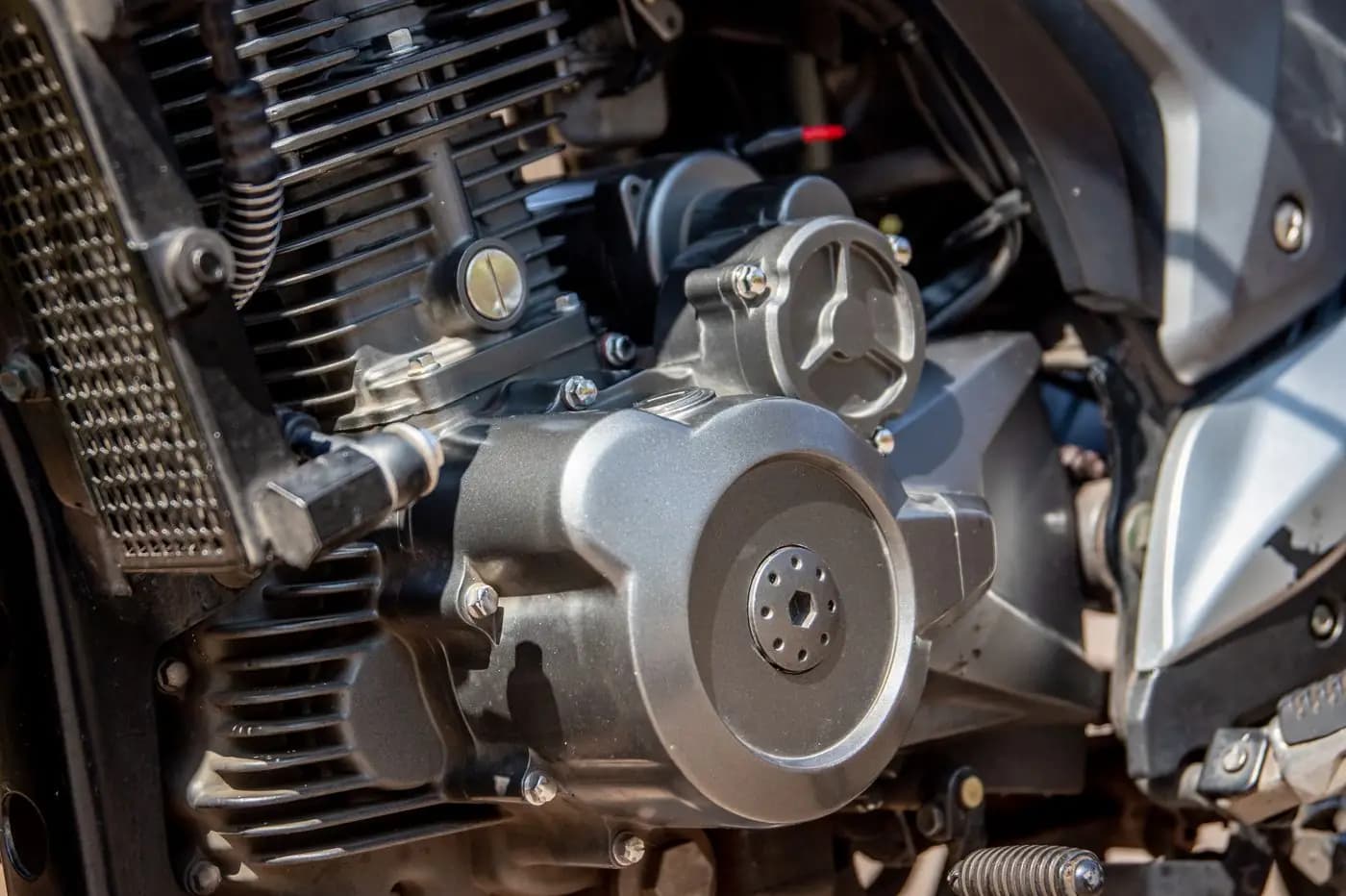
For Yamaha and Kawasaki, searches for "motorcycle factory tour Japan" mostly lead to exhibition spaces, which often suit a foreign group better.
- Yamaha Motor Communication Plaza (Iwata, Shizuoka): Yamaha Motor's corporate museum at its head office, open free of charge since 1998 and renovated in June 2026. Racing bikes, outboard engines, brand history. Open from 9am or 10am to 5pm according to the opening calendar published online; there is a dedicated form for groups. The neighbouring assembly plant mainly receives school trips.
- Yamaha Innovation Road (Hamamatsu): not to be confused, this belongs to Yamaha Corporation, the musical instruments company. Free, by reservation only, up to 90 days ahead, three 2-hour slots a day (10am, 12:30pm, 2:45pm), 50 people maximum per slot, closed Sundays, Mondays and public holidays. Pianos, wind instruments, try-out rooms: a good complement for a group interested in design or industrial craftsmanship.
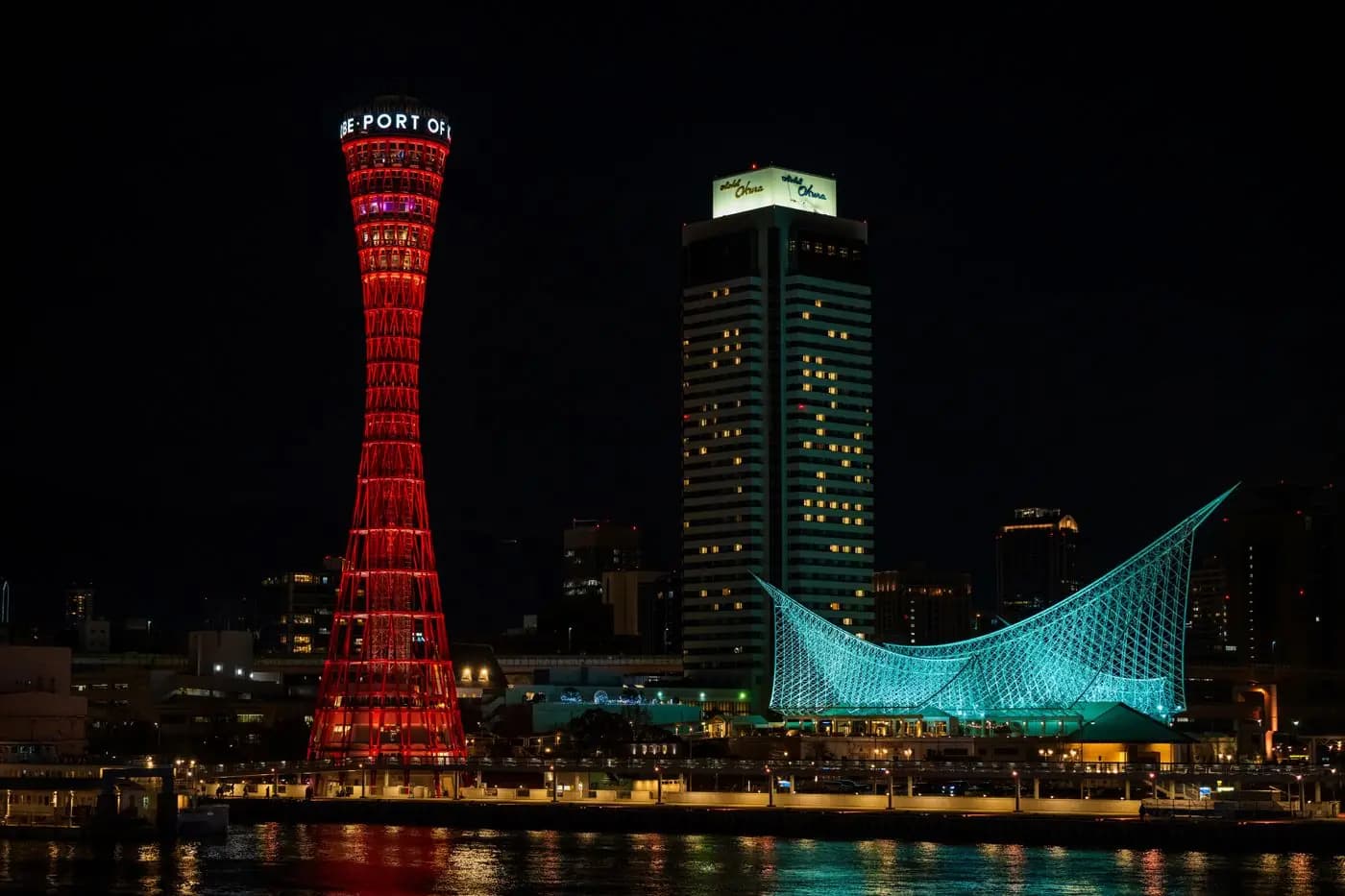
- Kawasaki Good Times World (Kobe): inside the Kobe Maritime Museum, on the Meriken Park waterfront. Motorcycles, Shinkansen, helicopters, industrial robots: the full range of Kawasaki Heavy Industries. Open 10am to 6pm (last entry 5:30pm), closed on Mondays. ¥900 per adult, including the maritime museum; ¥720 for groups of 15 or more, with a group booking form.
Kobe combines easily with a day in Osaka or Himeji, and Iwata or Hamamatsu with a Tokyo–Nagoya Shinkansen journey (Hikari and Kodama trains stop at Hamamatsu). These museums do not replace a working line, but they are accessible without a lottery, on dates you choose, which matters when a group programme is fixed months in advance.
Mazda and Nissan: seeing a working assembly line
If the goal is to see a real car line running, two options exist in 2026, each with its limits.
Mazda Museum (Hiroshima): at Mazda's head office, the museum covers the brand's history, rotary engines and landmark models, then gives a direct view of an assembly line. Key points published by Mazda:
- free and by online reservation only (no email or phone bookings);
- open Monday to Friday, plus a few announced Saturdays (10 October, 7 November, 5 December 2026, 9 January and 20 March 2027);
- closed from 26 December 2026 to the morning of 5 January 2027, and from 8 to 26 February 2027;
- no bookings for commercial tours, including paid tours organised by a third party;
- anyone under the influence of alcohol is refused; the line may be stopped on some days.
Nissan Oppama plant (Yokosuka, Kanagawa): public tours resumed on 17 April 2026. Visitors follow the assembly and inspection of the Note e-POWER, the guest hall, then a bus loop of the plant's private car-loading wharf. Slots from 9:20am to 11am and 1:20pm to 3pm, 20 people maximum per slot, online booking via a calendar. An important condition: participants must be able to communicate in Japanese at everyday conversation level.
For an English- or French-speaking group, Mazda is therefore accessible provided the company books for its own employees, on a weekday, with no commercial intermediary. Nissan Oppama suits a small group accompanied by Japanese-speaking colleagues. In both cases, do not count on a Saturday visit for a seminar: the calendar follows production.
Photos, phones, dress and language: the common rules of factory visits
From one plant to another, the rules are similar. Ignoring them can get a group turned away at the gate, even with a confirmed booking.
- Photos and video: banned on the shop floor almost everywhere. At Honda Suzuka, phones may not even enter the plant. A group photo is often possible at the entrance or in the showroom, on request.
- Dress: closed, flat shoes, no shorts or sleeveless tops; some sites lend caps or safety glasses. Briefing participants in advance avoids a refusal on the day.
- Name list: name, age and sometimes employer, sent several weeks ahead. Last-minute changes are not welcome.
- Punctuality: arrive 15 to 20 minutes before the start. A late group can lose its slot, since tours are timed around line breaks.
- Language: the guide speaks Japanese. Consecutive interpreting roughly halves the content delivered in the time available, so prepare questions in advance and send them if the site accepts.
- Alcohol: a participant who drank at lunch can be refused (Mazda states it explicitly).
- Confidentiality: do not touch machines, stay on the marked route, do not question operators on the line.
A small corporate gift handed to the person hosting the visit, together with a business card in Japanese, is appreciated on a company visit arranged directly. For a free public tour, it is not expected.
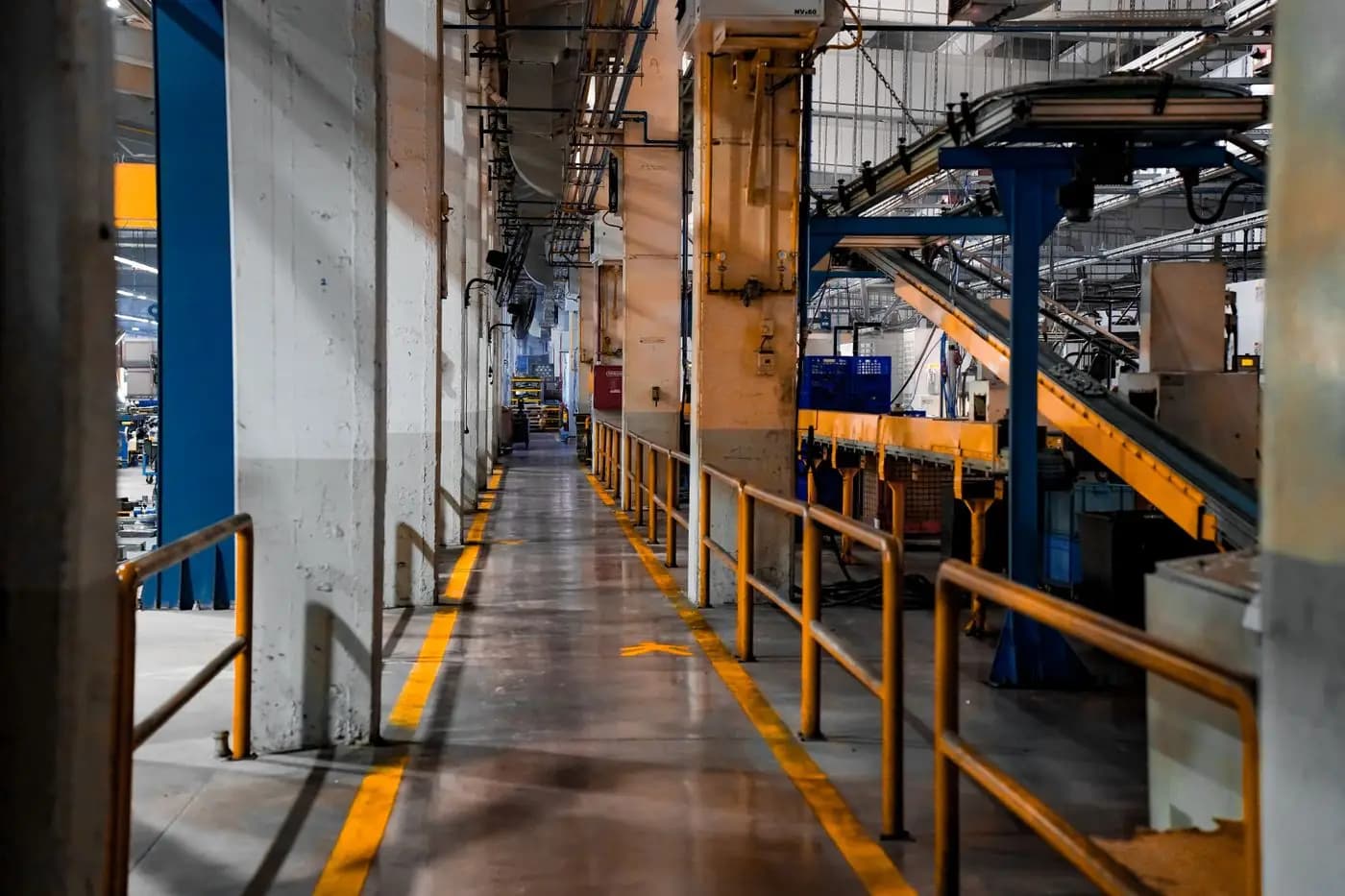
Organising an industrial visit in Japan for a corporate group
For an executive committee, an engineering team or a business club, the best industrial day combines three building blocks: a corporate museum on a guaranteed date, a company visit obtained through a business contact, and time to discuss what was seen.
A typical day around Nagoya that is realistic in 2026:
- 9:30am: Toyota Commemorative Museum of Industry and Technology, guided tour booked ahead (2 h 30);
- 12:30pm: lunch of local specialities nearby;
- 2:30pm: Toyota Automobile Museum or Toyota Kaikan, by private coach (40 to 50 minutes);
- 5pm: debrief workshop in a hotel meeting room, led by a lean specialist.
Nagoya is about 1 h 35 from Tokyo by Nozomi Shinkansen, so it fits into a Tokyo–Kyoto programme. Our article on Nagoya in 2 days covers the city and its other visits.
A few rules for groups:
- Size: beyond 25 to 30 people, split into sub-groups with an interpreter each; slots of 20 or 25 people are the norm.
- Lead time: 3 to 6 months for museums as a group, longer for a private company visit, which is negotiated through your Japanese suppliers, customers or partners, or a chamber of commerce.
- Private coach: essential between sites in the Toyota area, which is poorly served by public transport.
- No impossible promises: a supplier who guarantees access to a Toyota line or to a plant that refuses commercial visits is mistaken or misleading you.
SHINOGI DMC builds this kind of day into its Nagoya industrial study tour, relying on sites that are open to groups and on its clients' own contacts for company visits.
Frequently asked questions
Can you visit the Toyota factory in Japan?
Not in 2026: tours of the head-office plants (Motomachi, Takaoka, Tsutsumi) have been suspended since 12 July 2021. Toyota Kaikan (free), the Toyota Commemorative Museum in Nagoya and the Toyota Automobile Museum remain open.
Are factory tours in Japan free?
Line tours (Honda, Mazda, Nissan) are free. Corporate museums vary: Toyota Kaikan and Yamaha Communication Plaza are free, the Toyota Commemorative Museum costs ¥1,000, Kawasaki World ¥900.
Are Japanese factory tours available in English?
Rarely. Honda and Nissan guide in Japanese only, and Honda asks foreign visitors to bring an interpreter. The Toyota Commemorative Museum offers English guided tours on Sundays at 2pm and 3:15pm.
Can you visit a Honda factory in Japan?
Yes, at Suzuka (cars) and Kumamoto (motorcycles), on weekdays, for groups, by application two to three months ahead and lottery. Travel-company tours and paid seminars are refused.
Can you take photos during a factory tour?
No, it is banned on the shop floor almost everywhere, and some plants do not even allow phones inside. A group photo is often possible at the entrance or in the showroom.
How far ahead should you book a factory tour in Japan?
Two months (Honda Kumamoto) to three months (Honda Suzuka) with a lottery, up to 90 days for Yamaha Innovation Road. For a corporate programme, allow 3 to 6 months.
Rédaction SHINOGI DMC · Updated
Sources
- Nagoya Convention & Visitors Bureau — トヨタ会館 (suspension des visites d'usine depuis le 12/07/2021)
- Aichi Now (préfecture d'Aichi) — トヨタ会館, horaires et conditions
- Toyota Commemorative Museum of Industry and Technology — Admission
- Toyota Commemorative Museum of Industry and Technology — Guided Tours
- Toyota Automobile Museum — Admission Fees
- Toyota Automobile Museum — Group Visit Reservations
- Honda — 鈴鹿製作所 工場見学
- Honda — 熊本製作所 工場見学
- Mazda — Mazda Museum (visiting information)
- Nissan — 工場見学予約サイト (追浜工場)
- Yamaha Motor — コミュニケーションプラザ
- Yamaha Corporation — Innovation Road, réservation et accès
- Kobe Maritime Museum / Kawasaki World — Horaires et tarifs