What to see in Osaka in 2 days: Kita, Minami and how the itinerary works
Osaka does not have Kyoto's density of temples. People come for something else: a noisy merchant city that eats out and talks loudly, with a castle, two big entertainment districts and a street food scene the rest of Japan envies. Two days are enough to grasp the essentials.
The city reads as two hubs:
- Kita (north), around Osaka and Umeda stations: skyscrapers, department stores, business hotels, the Umeda Sky Building and the new Grand Green Osaka park.
- Minami (south), around Namba and Shinsaibashi: Dotonbori, Kuromon Market, shopping arcades and nightlife.
Between the two, the Midosuji subway line links Umeda to Namba in under 10 minutes. The castle lies to the east, Shinsekai south of Namba. The smoothest plan:
- Day 1: Osaka Castle in the morning, Kuromon Market at lunchtime, Dotonbori and Hozenji Yokocho in the afternoon and evening.
- Day 2: Shinsekai and Tsutenkaku Tower in the morning, Umeda in the afternoon, the Umeda Sky Building at sunset.
- Optional day 3: Universal Studios Japan, which cannot be done in half a day.
Transport: an IC card (ICOCA, or a Suica brought from Tokyo) covers all subway and train journeys. Osaka's sightseeing passes, combining unlimited subway rides with free entry to many sites, pay off if you string together several paid attractions on the same day; do the maths with the list of included sites before buying.
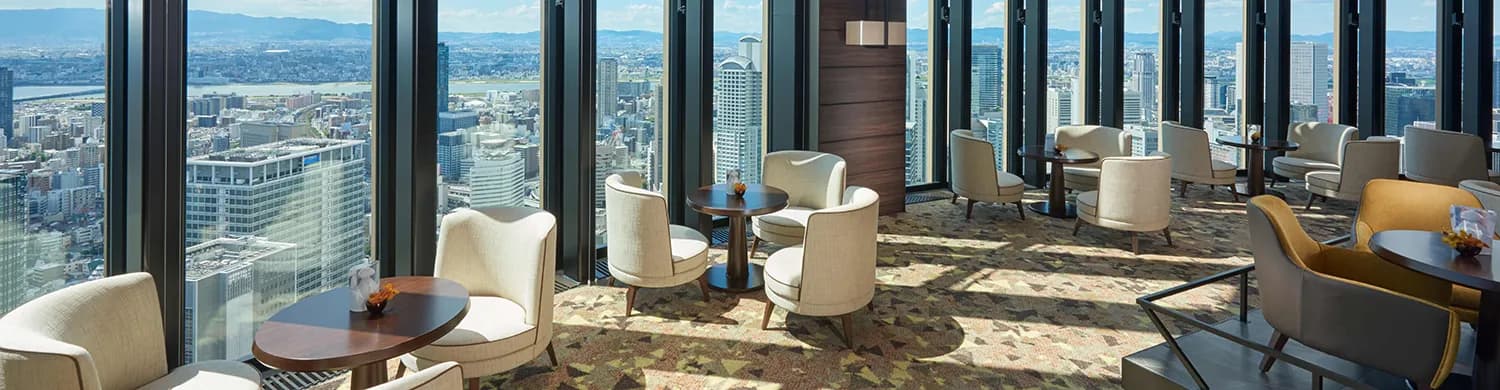
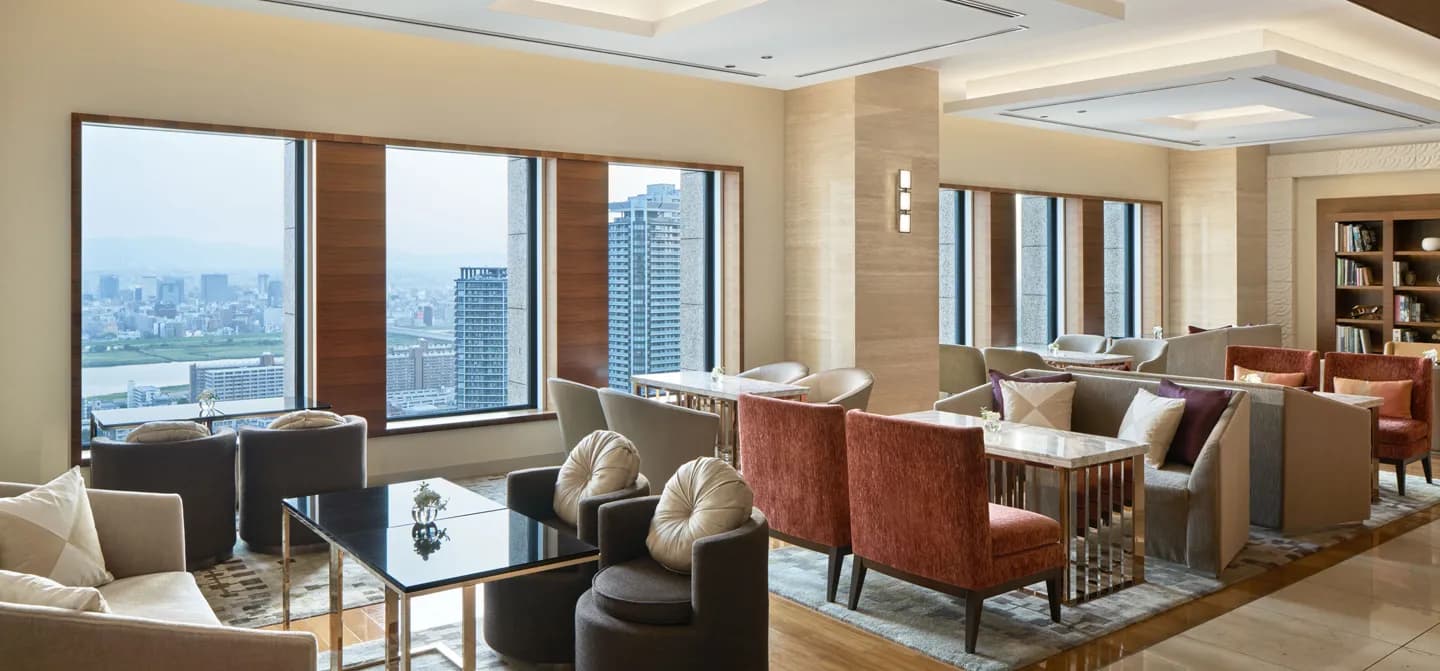
Where to stay: Umeda for connections (JR Osaka Station, direct access to Kyoto, Kobe and Kansai Airport), Namba for nights out and the Nankai train to the airport. For just two days, Namba is more fun; for a trip continuing to Kyoto or Kobe, Umeda is more practical.
Day 1: Osaka Castle, hours, fees and park
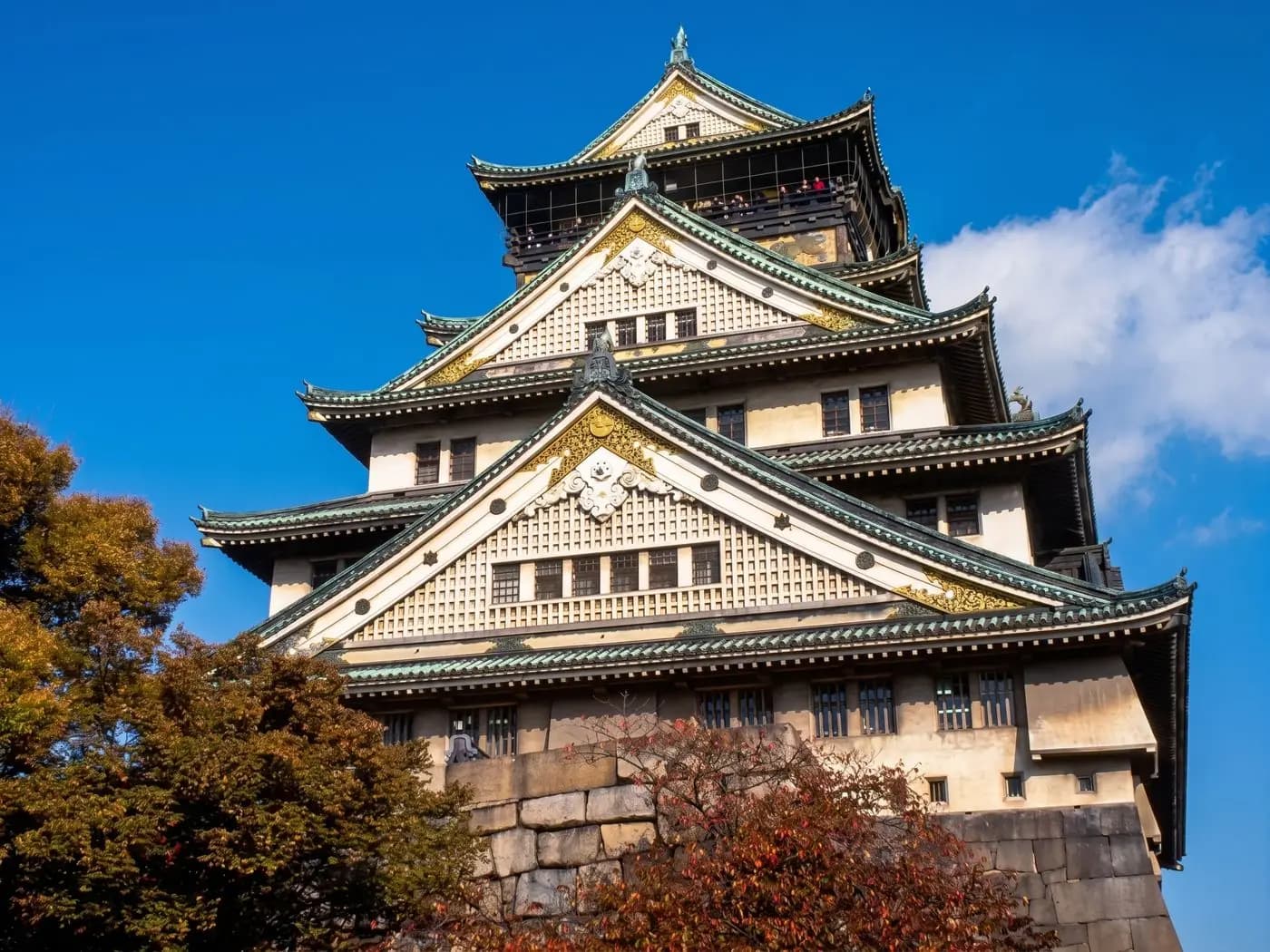
9–11:30am: Osaka Castle. Built in the late 16th century by Toyotomi Hideyoshi, destroyed and rebuilt several times, the current keep dates from 1931 and is made of reinforced concrete. So it is not an original castle like Himeji. Its interest lies elsewhere: the whole system of stone ramparts and moats, which is impressive, and the museum inside the keep, telling the story of Hideyoshi and the 1615 Siege of Osaka with screens, models and armour.
Practical details:
- Keep-museum: ¥1,200 per adult, free up to junior high school. Open 9am to 6pm (last entry 5:30pm), with extended hours on some holidays and in spring.
- Castle park: free and always open. Nishinomaru Garden, famous for its cherry trees, is charged separately.
- Access: Tanimachi 4-chome subway station or JR Osakajokoen Station, then a 15 to 20-minute walk to the keep.
- Time needed: 1.5 to 2 hours including a walk around the ramparts.
Inside, a lift goes up to the 5th floor; the queue is long in mid-morning. The stairs are faster if you are able. The 8th floor has a panoramic terrace over the city. The keep is Osaka's busiest site: arriving at opening time saves half an hour.
For a different view, traditional roofed boats (Gozabune) circle the inner moat in about 20 minutes; it is the best way to appreciate the height of the stone walls. Miraiza Osakajo, a former military building converted near the keep, has cafés and restaurants for a break.
We suggest walking via the Otemon gate and the huge Tako-ishi stone at Sakuramon gate, one of the largest rampart blocks in Japan. It is often what visitors remember most.
11:30am: subway to Nippombashi (about 15 minutes) for Kuromon Market.
Day 1, afternoon and evening: Kuromon Market, Dotonbori and Hozenji Yokocho
12–1:30pm: Kuromon Market. This covered street of about 600 metres, near Nippombashi Station, brings together fishmongers, butchers, fruit sellers and tasting stalls. You can eat grilled seafood skewers, sea urchin, bite-sized wagyu and giant strawberries. To be honest, the market has turned heavily towards tourists and prices are high (a wagyu or scallop skewer can exceed ¥1,500). Most stalls open around 9am and close between 5 and 6pm; some close on Wednesdays or Sundays. Eat on the spot, in front of the stall or in the designated areas, not while walking.
1:30–3pm: a break, or shopping in the Shinsaibashi-suji covered arcade, 10 minutes' walk away.
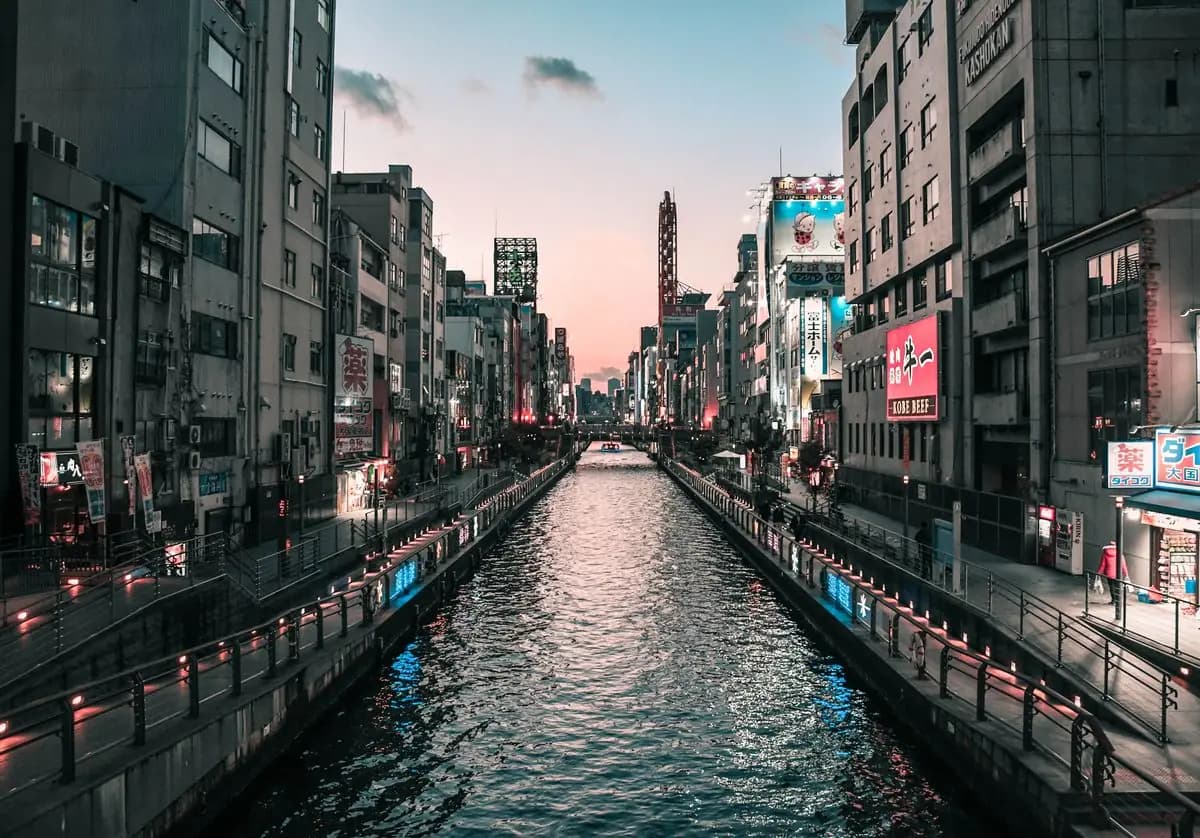
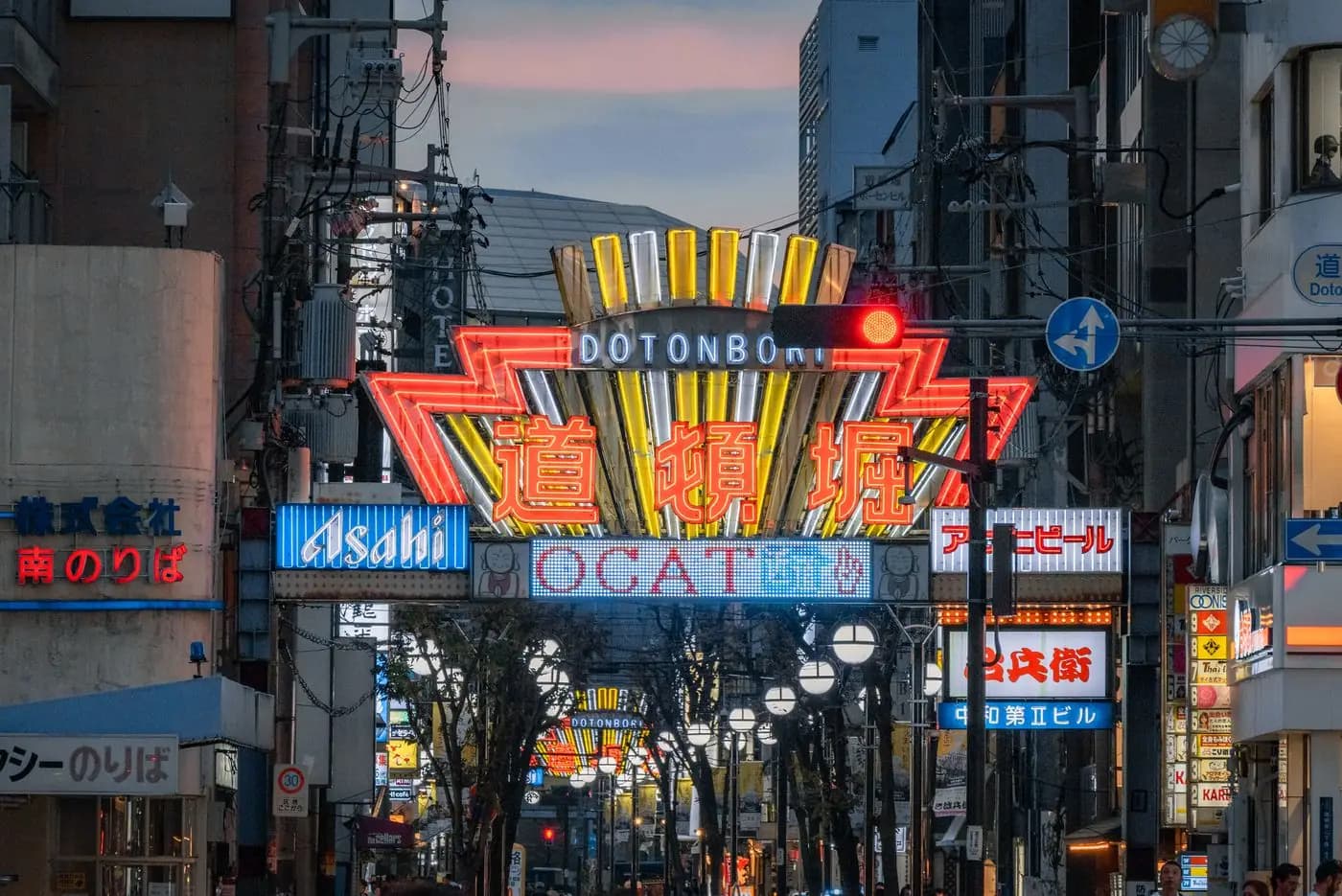
3–5pm: Dotonbori by day. The canal and the parallel street are famous for their giant signs: the Glico running man seen from Ebisu-bashi bridge, Kani Doraku's moving crab, the pufferfish lantern, the yellow Ferris wheel on a Don Quijote store. In daylight you read the city better; a 20-minute canal cruise (departing near Tazaemon bridge) gives another perspective.
5–6pm: Hozenji Yokocho. Two minutes from Dotonbori, two lantern-lit paved alleys hold small restaurants and the tiny Hozen-ji temple. Its Fudo Myo-o statue is entirely covered in moss, because visitors have splashed it with water for decades when making a wish. It is the perfect contrast with the neon next door.
From 6pm: Dotonbori by night. The signs light up and the street fills. Time for takoyaki, okonomiyaki and small izakaya. The big Dotonbori names are convenient but draw queues; the side streets leading to Sennichimae and Ura-Namba (behind Namba Station) offer more authentic, cheaper counters.
Avoid: Ebisu-bashi bridge between 7 and 9pm on Fridays and Saturdays, when crowds stop to photograph the Glico sign. With children or a group, cross it earlier.
Day 2: Shinsekai, Tsutenkaku then the Umeda Sky Building
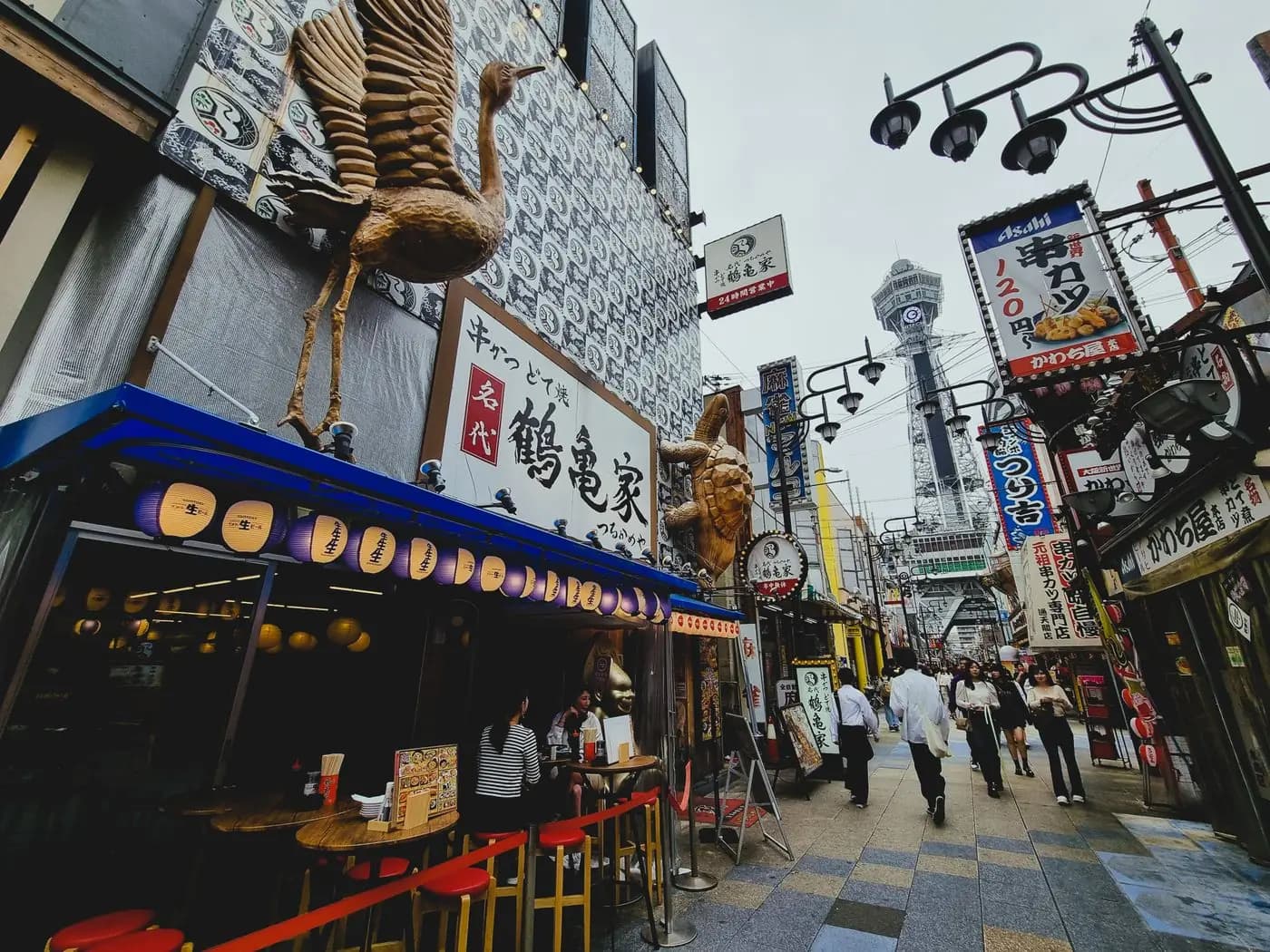
9:30am–12pm: Shinsekai. This district south of Namba was laid out in 1912 on the model of a Western-style entertainment quarter, with a tower inspired by the Eiffel Tower. It later aged, and that slightly retro charm is the draw: huge kushikatsu signs, old-fashioned game arcades, small shogi parlours.
- Tsutenkaku Tower (108 m, rebuilt in 1956) has a paid observation deck and a giant slide, the Tower Slider, which spirals down the outside. Allow 30 to 45 minutes.
- Jan Jan Yokocho alley is lined with kushikatsu and doteyaki (beef tendon stewed in miso) counters.
- Next door, Tennoji Park and Abeno Harukas (300 m, observation deck on the 60th floor) offer a more modern alternative if the sky is clear.
Shinsekai is most pleasant in the morning and early afternoon. The district is safe, but some surrounding streets are poorer; stick to the main streets in the evening.
12:30pm: kushikatsu lunch in Shinsekai, then the Midosuji subway to Umeda (about 15 minutes).
2–5pm: Umeda. The northern district is a maze of underground passages and department stores. Two things are worth stopping for: the department store food halls (Hankyu, Hanshin) in the basement, to understand Japanese food through its bento, wagashi and pickles; and Grand Green Osaka, a large park opened in 2024 on the former freight yard in front of Osaka Station, with lawns and architecture by Kengo Kuma.
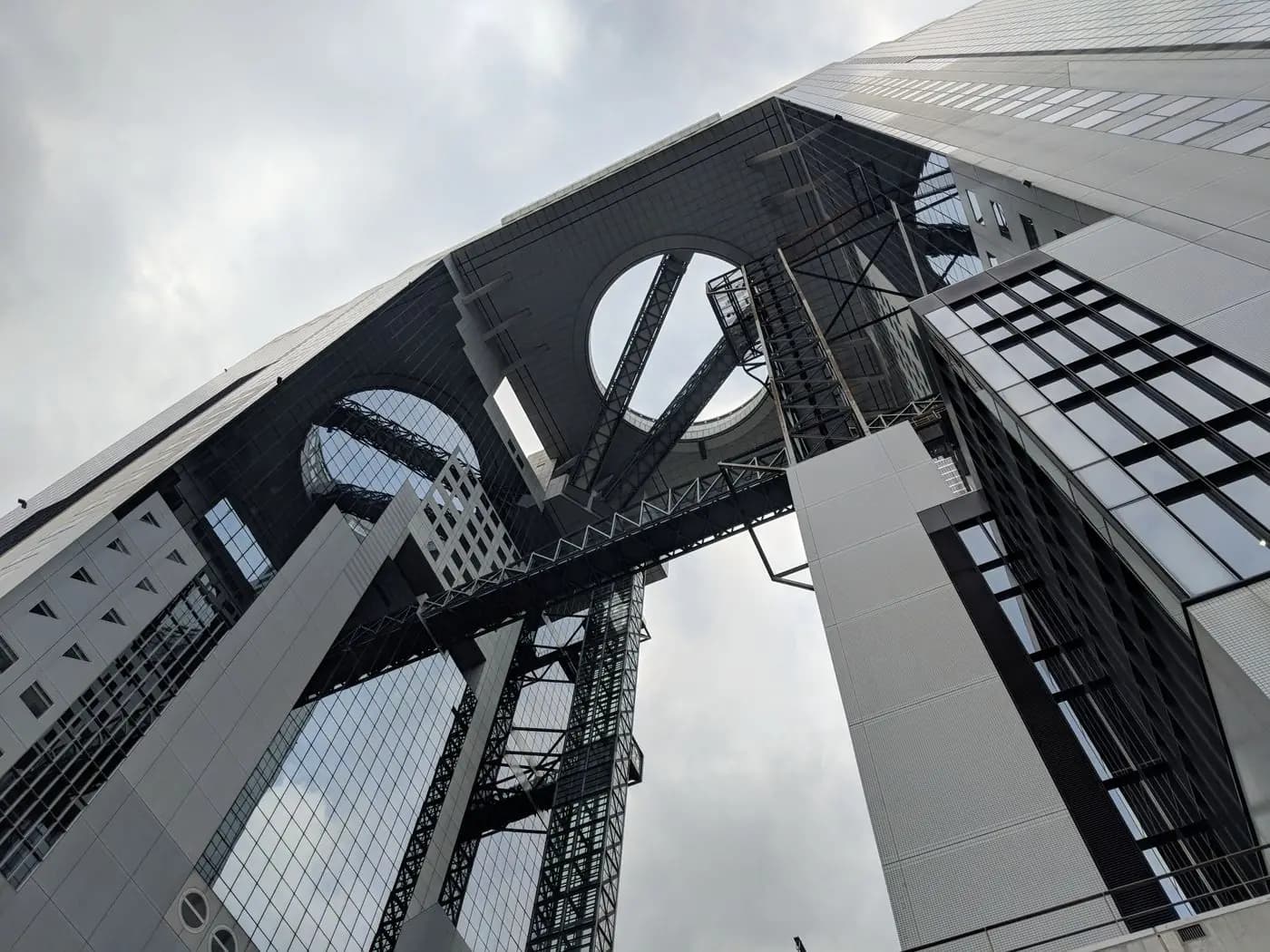
5:30–7pm: Umeda Sky Building. Two 40-storey towers linked at the top by a ring, 10 minutes' walk from the station. The Kuchu Teien observatory, at 173 metres, costs ¥2,000 and is open until 10:30pm. You ride up a glass escalator suspended in mid-air between the two towers, then step out onto the open-air roof with a circular view over the bay and the mountains. Being there around 30 minutes before sunset is ideal; at weekends the queue can reach 30 minutes late in the day.
At the foot of the towers, Takimi Koji, a recreated Showa-era street in the basement, groups old-style restaurants for dinner.
Osaka street food: what to eat and how
Osaka is nicknamed "Japan's kitchen", and the word "kuidaore" (to ruin oneself through eating) was born here. Here is what really matters:
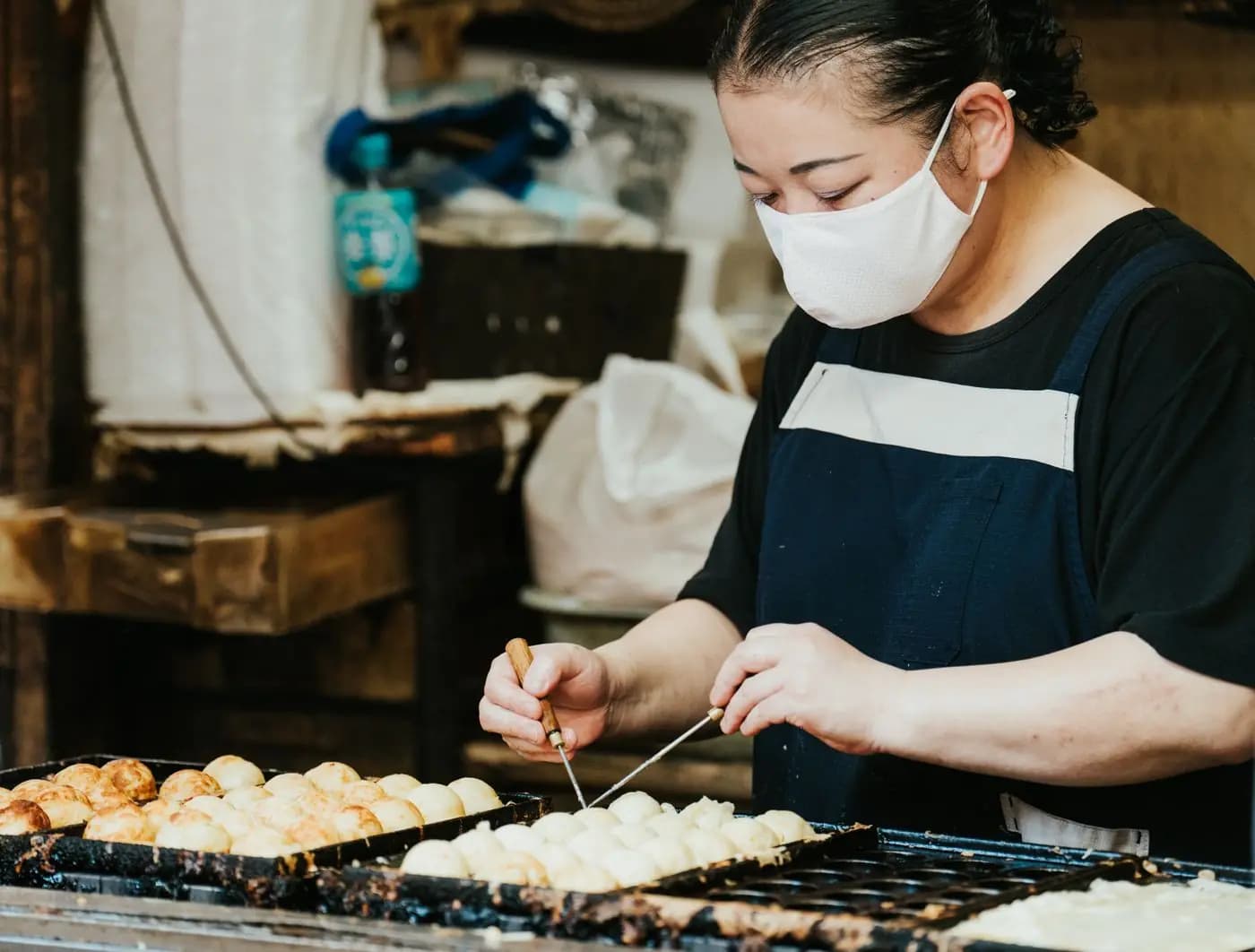
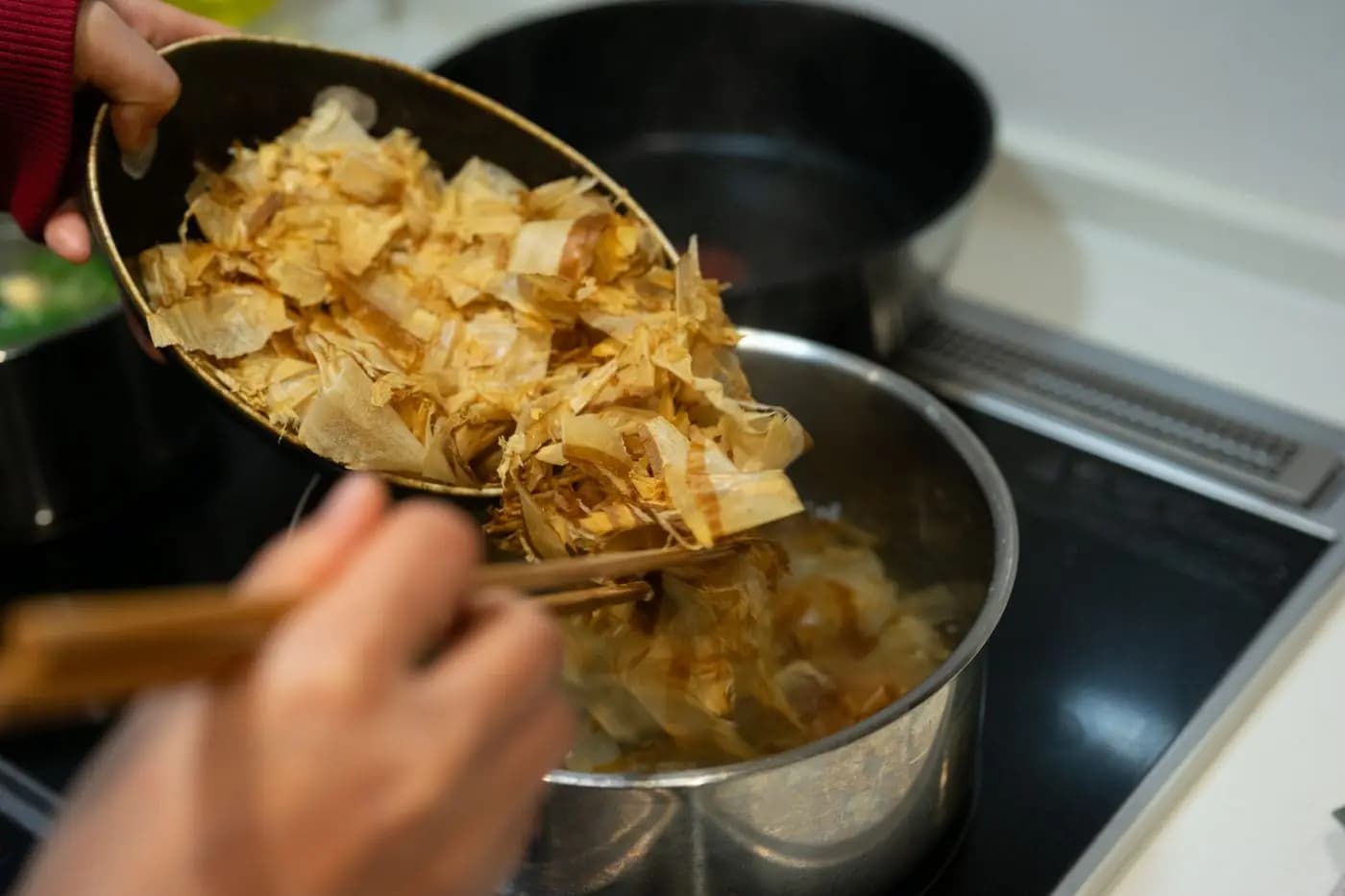
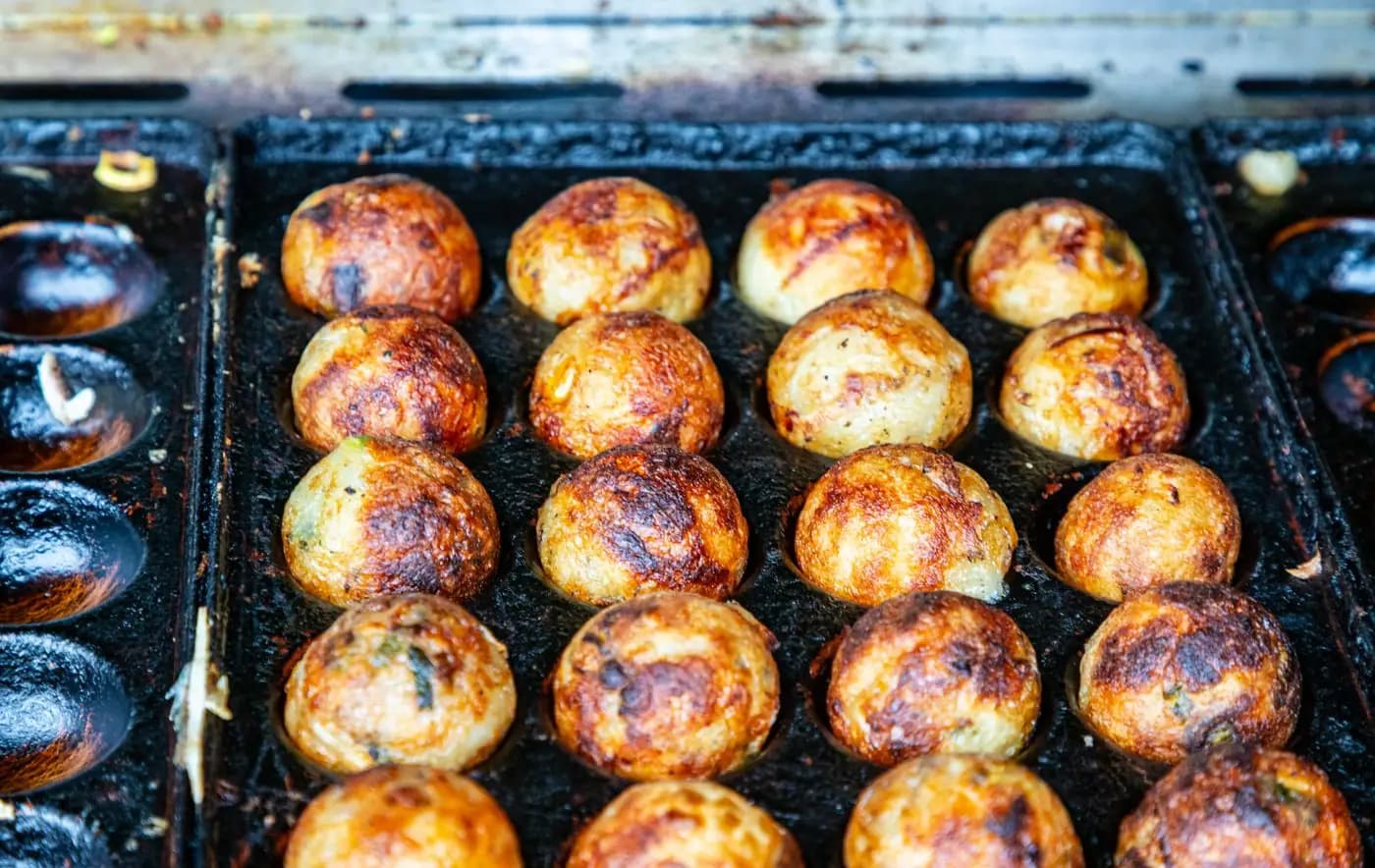
- Takoyaki: batter balls filled with octopus, cooked in moulded griddles, served with sauce, mayonnaise and dried bonito. About ¥500 to ¥800 for 6 to 8 pieces. Careful: the inside stays scalding for a long time.
- Okonomiyaki: a cabbage and batter pancake topped to order (pork, seafood), cooked on a griddle in front of you. In Osaka everything is mixed before cooking, unlike the layered Hiroshima version. Expect ¥1,000 to ¥1,800.
- Kushikatsu: breaded, deep-fried skewers (meat, vegetables, cheese, prawns). The rule is posted everywhere: never double-dip in the shared sauce ("nido-zuke kinshi"). To get more sauce, use one of the raw cabbage leaves provided on the counter.
- Ikayaki: pressed squid pancake, a speciality of department store stalls.
- Horumon: grilled offal, for the curious.
- Kitsune udon: noodles with sweet fried tofu, an Osaka invention.
A few practical pointers:
- Many stalls have no bins; keep rubbish until the hotel or leave it at the stall where you bought.
- Small counters increasingly accept cards and phone payments, but carrying ¥5,000 in cash is still wise.
- The longest queues are not always the best: they often follow social media. A counter full of Japanese office workers at 7pm is a better sign.
- A "hashigo" dinner (hopping from counter to counter) in Ura-Namba or Fukushima, north-west of Umeda, easily costs ¥4,000 to ¥6,000 per person with drinks.
For special diets: most street dishes contain dashi (fish stock) and frying is often done in shared oil. Vegetarians and people with allergies should say so clearly, ideally in writing in Japanese.
Universal Studios Japan and the Expo 2025 site: practical tips
Universal Studios Japan (USJ) is on the bay, about 15 minutes from JR Osaka Station via the JR Yumesaki Line (Universal City Station). It is one of the busiest parks in Asia, and a poorly prepared day is mostly spent queuing.
- 1-day ticket (Studio Pass): dynamic pricing, roughly ¥8,900 to ¥10,900 per adult depending on the date. Tickets are dated and sold online; do not count on buying at the gate on a busy day.
- Express Pass: sold on top of the entry ticket, it gives fast access to a selection of rides, once each. Depending on the version and date, it often costs more than entry itself, from around ¥10,000 to over ¥20,000. Versions including Super Nintendo World sell out weeks ahead.
- Super Nintendo World: on busy days, entry to the area works on a timed slot ("area timed entry"), obtained free in the official app once inside the park. Open the app as soon as you enter; afternoon slots go quickly.
- Hours: the park often opens earlier than the posted time. Being at the gates 45 minutes to an hour before opening changes the whole day.
- When to go: on weekdays, outside Japanese school holidays, ideally Tuesday to Thursday. Halloween (September–October) and the Christmas season are very busy.
The Expo 2025 site is on the artificial island of Yumeshima, on the west side of the bay. The World Expo ran from April to October 2025 and most pavilions have been dismantled. Local and national authorities decided to keep a section of about 200 metres of the Grand Ring, the huge wooden ring designed by Sou Fujimoto, at the heart of a future memorial park. The rest of the site is being redeveloped, notably with the integrated resort project (casino and hotels) planned for around 2030. Before going, check what is open to the public at the time of your trip: in 2026, it is mostly a construction site.
The Expo's most useful legacy for visitors is the extension of the Chuo subway line to Yumeshima, and a larger hotel offer around the bay, near USJ and Bentencho.
Visiting Osaka with a group: what changes
Osaka is one of the easiest Japanese cities for a group: high-capacity hotels, restaurants used to large tables and a relaxed atmosphere well suited to team evenings. A few points make the difference:
- Osaka Castle: coaches have car parks in the park; drop-off is on the Morinomiya side or by the Otemon gate. With more than 40 people, skip the keep's lift and take the group up the stairs in two waves 10 minutes apart. A guide tells Hideyoshi's story far better than the signs.
- Dotonbori and Kuromon: no coach parking nearby. Drop the group at Namba and walk. Above 20 people, Kuromon becomes difficult at noon; replace it with a guided street food tour in small groups, or a private takoyaki workshop where everyone cooks their own griddle.
- Dinners: izakaya and okonomiyaki restaurants in Namba and Umeda readily privatise a floor from 30 or 40 people. For more than 100, turn to the banquet rooms of large hotels or bayside restaurants.
- USJ: the park has a dedicated service for groups and companies (group tickets, Express Passes, reception spaces). With a group, book everything ahead and set precise meeting points, because participants scatter quickly.
- Umeda Sky Building: handy at the end of the day before dinner in Umeda; the narrow escalator limits the flow, so allow 20 to 30 minutes to get 50 people to the top.
Scheduling-wise, avoid big trade fairs at the Intex Osaka convention centre and match weekends at the Kyocera Dome, which saturate hotels and restaurants. SHINOGI DMC builds Osaka programmes for seminars, conventions and incentive trips, often combining a private street food evening, the castle with a guide and a day in Kyoto or Nara.
Frequently asked questions
What should I see in Osaka in 2 days?
Day 1: Osaka Castle, Kuromon Market, Dotonbori and Hozenji Yokocho in the evening. Day 2: Shinsekai and Tsutenkaku Tower, Umeda and the Umeda Sky Building observatory at sunset. Universal Studios Japan needs an extra day.
How much is entry to Osaka Castle?
The keep-museum costs ¥1,200 per adult and opens from 9am to 6pm (last entry 5:30pm). The castle park is free.
Do I need an Express Pass at Universal Studios Japan?
Not essential on weekdays outside Japanese holidays if you arrive before opening. At weekends and in festive periods it avoids queues of several hours, but it often costs more than entry and must be booked weeks ahead.
Can you visit the Expo 2025 site in Osaka?
The Yumeshima site is being redeveloped after closing in October 2025. A section of about 200 m of the Grand Ring is to be kept in a memorial park; check public access before going.
What is the kushikatsu rule in Osaka?
The sauce is shared by the whole table: dip each skewer once only, never after taking a bite. For more sauce, scoop it with a raw cabbage leaf.
Is Osaka suited to corporate group trips?
Yes: large hotels, restaurants happy to privatise, a castle accessible by coach and food activities that are easy to adapt. SHINOGI DMC organises seminars, conventions and incentives in Osaka, often combined with Kyoto or Nara.
Rédaction SHINOGI DMC · Updated
Sources
- Osaka Castle Main Tower — site officiel (horaires et tarifs)
- Osaka Castle Park — site officiel
- Umeda Sky Building — Kuchu Teien Observatory (site officiel)
- Universal Studios Japan — site officiel (billets, Express Pass)
- Osaka Convention & Tourism Bureau — OSAKA-INFO
- Kuromon Market — site officiel
- Ville d'Osaka / IR Osaka — appel d'offres pour le parc commémoratif de Yumeshima (Grand Ring 200 m)
- Nippon.com — Grand Ring de l'Expo 2025
- JNTO — Osaka
- Kanpai — Visites au Japon (inspiration)