Before booking anything: purpose, group size and budget
A group trip to Japan is largely decided in the first two weeks of preparation, long before the first quote. Three questions shape everything else.
Why this trip? A judo club training in Tokyo, a choir invited by a twin town, an alumni association, a works council or a sales convention do not have the same constraints. The first needs a dojo and generous meals, the last a plenary room and single rooms. Write the purpose in one sentence: it will settle every choice between two options.
How many people, and how much margin? Think in thresholds. Up to 20 travellers, a minibus and ordinary restaurants are enough. Between 20 and 45, you move to a full-size coach and private dining rooms. Above 45, you need two vehicles, two guides and hotels able to check in 50 rooms at once. Set a minimum below which the trip is cancelled and a maximum from the outset, so you don't renegotiate every contract when five more people sign up.
What budget per person? For one week on the Tokyo–Kyoto–Osaka route excluding flights, in 3- or 4-star hotels with half board, guide and transport included, the group budgets we see usually range from 1,800 to 3,500 euros per person. The yen/euro exchange rate moves that figure by 10 to 15% from one year to the next, as does the season. Also decide who pays for what: single rooms, drinks, free meals, optional activities. Misunderstandings on these lines are the first source of friction in a group.
One last, often forgotten point: name a single decision-maker on the group side. A six-person association board that approves every menu unanimously loses weeks, and in Japan, options held on hotels and restaurants do not stay open for long.
A month-by-month timeline for a group trip to Japan
Here is the timeline we use for a group of 20 to 60 people. For a 10-person executive committee you can halve it; for cherry blossom season or autumn leaves in Kyoto, add three months at the start.
- 12 to 10 months before: choose dates and route, request a group air quote, place options on hotels. This is when you check Japanese holidays: Golden Week (April 29–May 5), Obon (mid-August) and New Year are best avoided.
- 9 months before: sign hotel contracts (room block, deposit), open group train ticket requests with JR, book the lead guide.
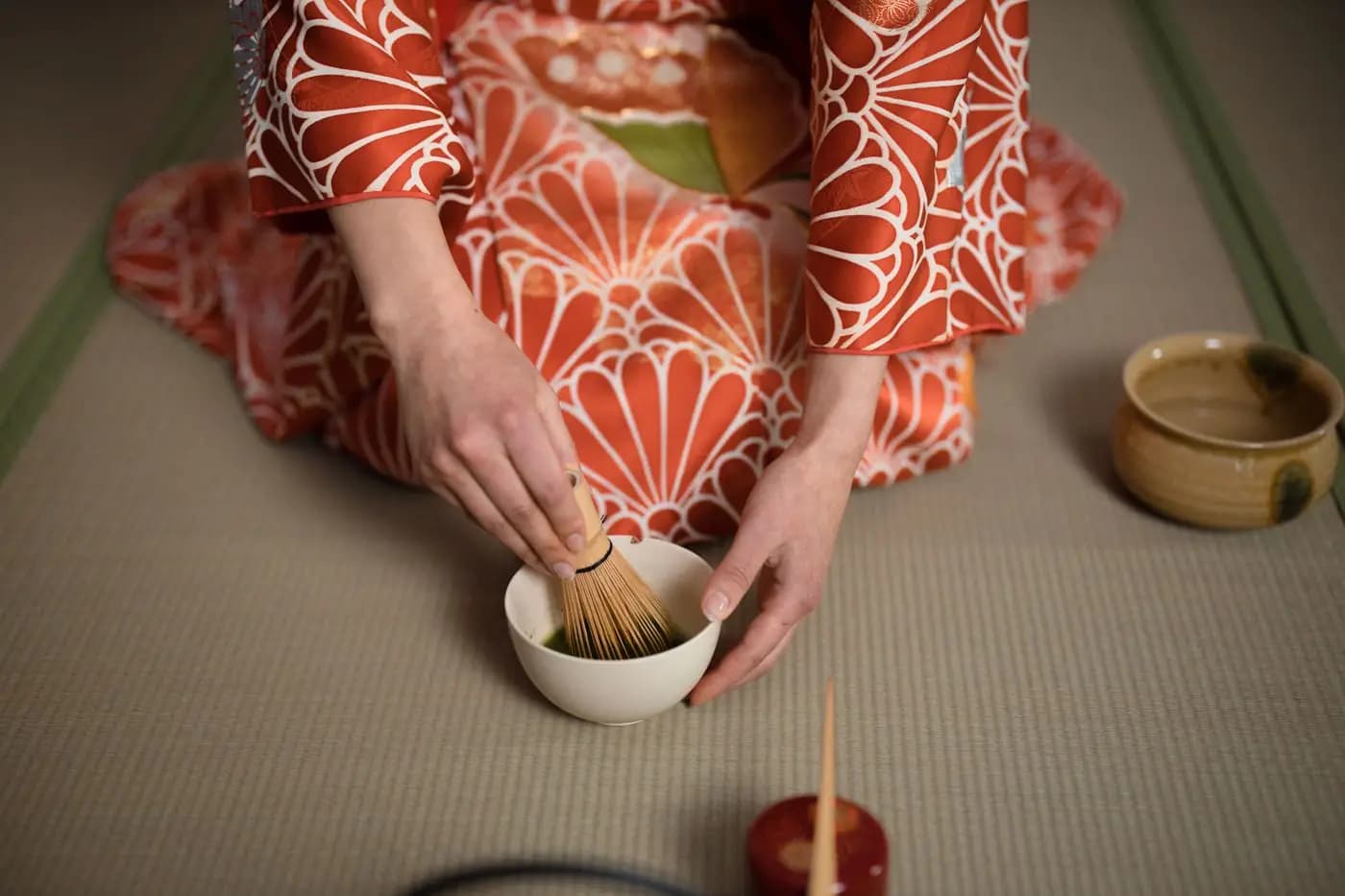
- 8 to 6 months before: open registrations, collect deposits, book restaurants for group dinners and activities (workshops, tea ceremony, dojo).
- 4 months before: check every participant's passport, take out insurance, first list of dietary requirements and special needs (reduced mobility, allergies).
- 3 to 2 months before: send the passenger name list to the airline, provisional rooming list to the hotel, collect final payments.
- 1 month before: final rooming list, travel booklet, briefing meeting, emergency numbers shared.
- 14 days before: last changes to group train tickets; after that, every change gets expensive.
- 7 days before: weather check (typhoons from July to October), written confirmation from every supplier, guide briefing.
A tip from experience: in each contract, note the release date, when unnamed rooms or seats can be handed back free of charge. Those dates, not the departure date, are what really structure the timeline.
Group flights to Japan: fares, names and choice of airport
Airlines treat a party as a group from 10 passengers travelling together on the outbound flight. The request goes through their group desk or a travel agency; you get a fixed fare for everyone, guaranteed against a deposit, with a deadline for names. The advantage is not always price, which can be higher than the best individual promotions, but security: 30 seats held at the same fare, often with a 10% cancellation allowance free of charge until names are submitted.
From Paris, direct flights to Tokyo take about 13 to 14 hours outbound. From Brussels, Geneva or Montreal, you usually need a connection. For a group, choose a direct flight even if it costs a little more: a missed connection for 40 people is rarely sorted out in less than a day.
The arrival airport shapes the first day:
- Haneda is 30 to 50 minutes by coach from central Tokyo hotels. Ideal if you want to go straight into a visit.
- Narita is 60 to 90 minutes away, more at rush hour. Plan a quiet arrival with nothing before dinner.
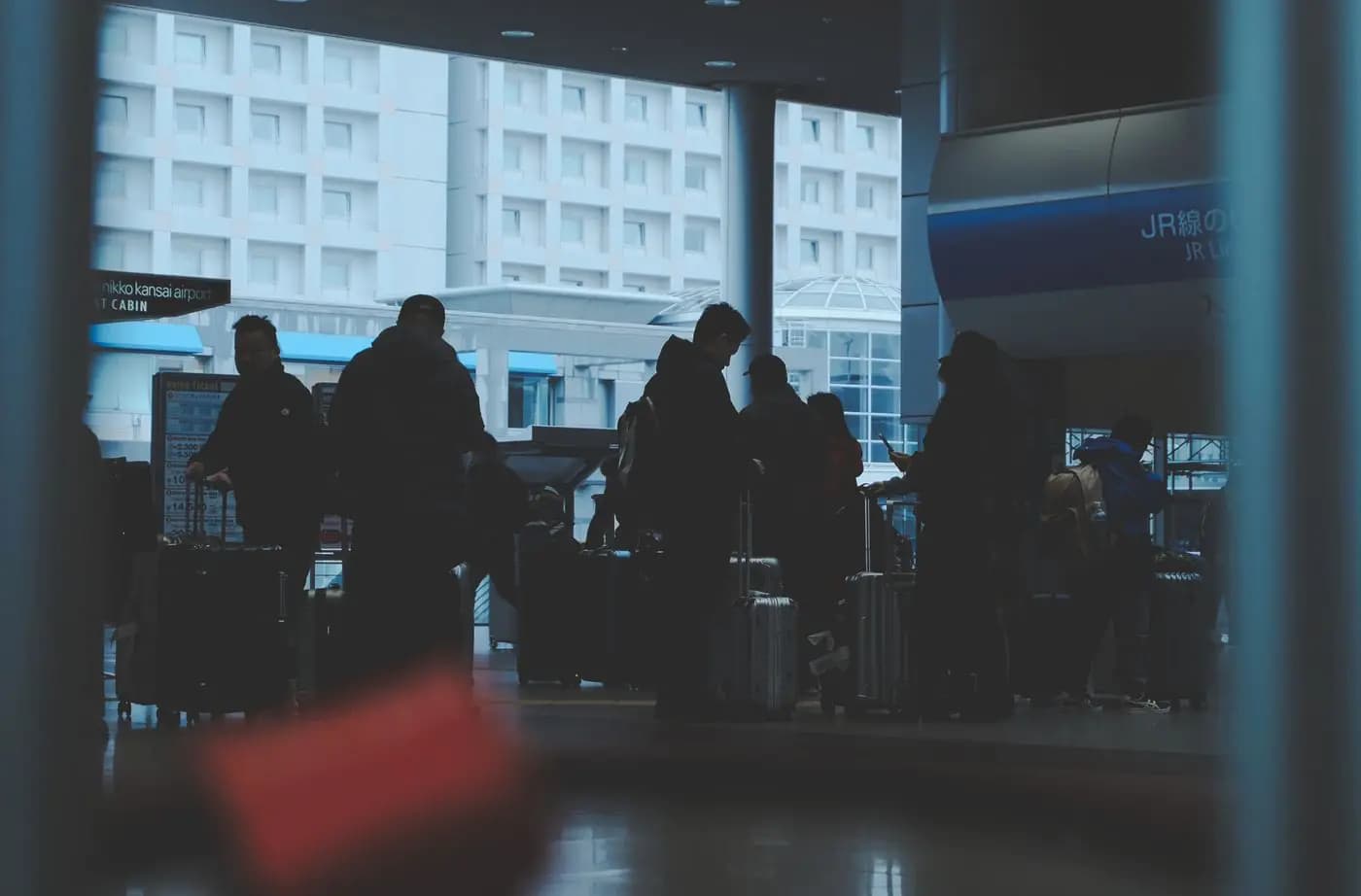
- Kansai (Osaka) lets you build an open-jaw route: arrive in Osaka, leave from Tokyo, or the reverse. You avoid backtracking, and most airlines price it close to a return ticket.
Budget note: Japan's departure tax rose from 1,000 to 3,000 yen per person on July 1, 2026. It is included in the ticket price, but it adds to quotes prepared before that date.
Hotels for groups in Japan: rooms, blocks and rooming lists
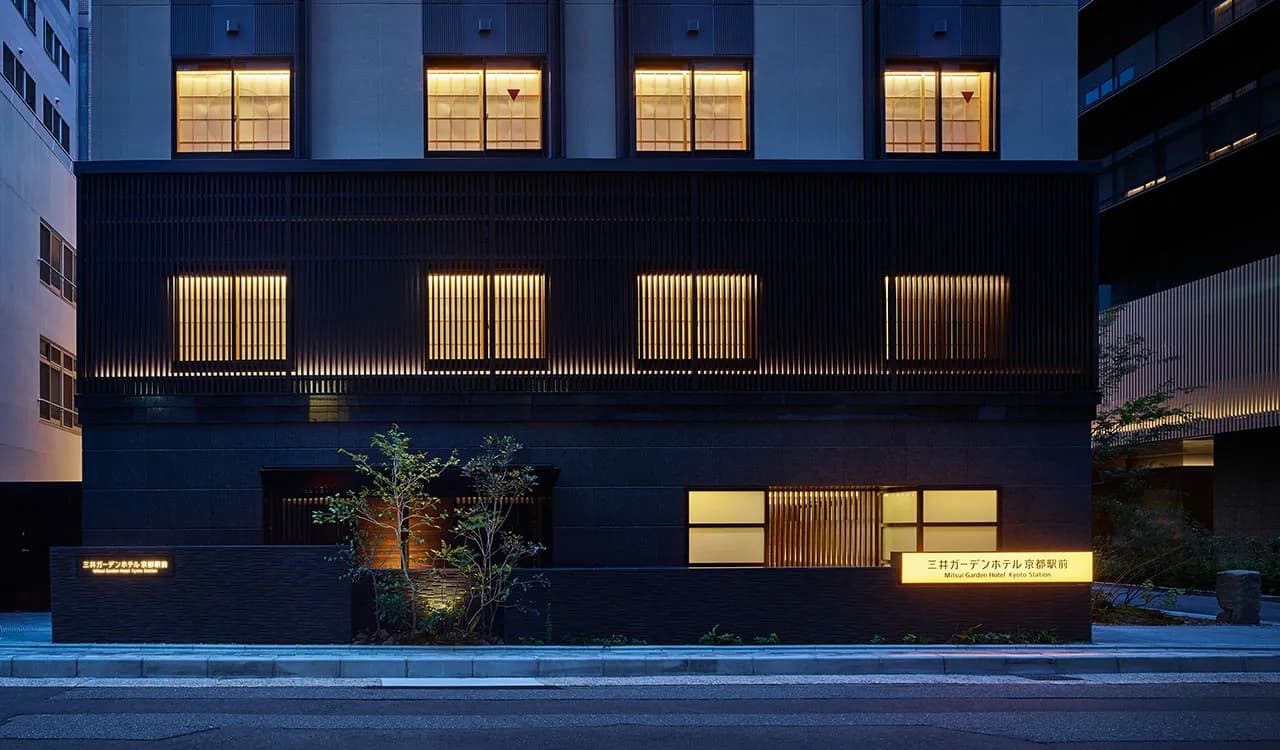
The first surprise for a European group is room size. In a Japanese business hotel, a double room is often 12 to 16 m² and the double bed is 140 cm wide. For adults sharing without being a couple, you must explicitly request twins (two beds), which are fewer and pricier, or move up to a higher category where rooms reach 25 to 35 m².
For a room block, the hotel signs a contract with a number of rooms, a rate, a deposit and a release schedule. Points to negotiate:
- The number of single rooms: in a corporate group it is often half, which changes the budget.
- Arrival time: check-in is usually at 3 p.m. A group landing at 7 a.m. either pays an extra night or waits; a room to leave luggage and change can be negotiated.
- Breakfast: check that the restaurant can handle 50 people between 7 and 8 a.m., or plan service in a separate room.
- Accommodation taxes: Tokyo, Osaka, Kyoto and Fukuoka levy one. In Kyoto, since March 2026, it ranges from 200 yen per person per night (room under 6,000 yen) to 10,000 yen (room at 100,000 yen or more).
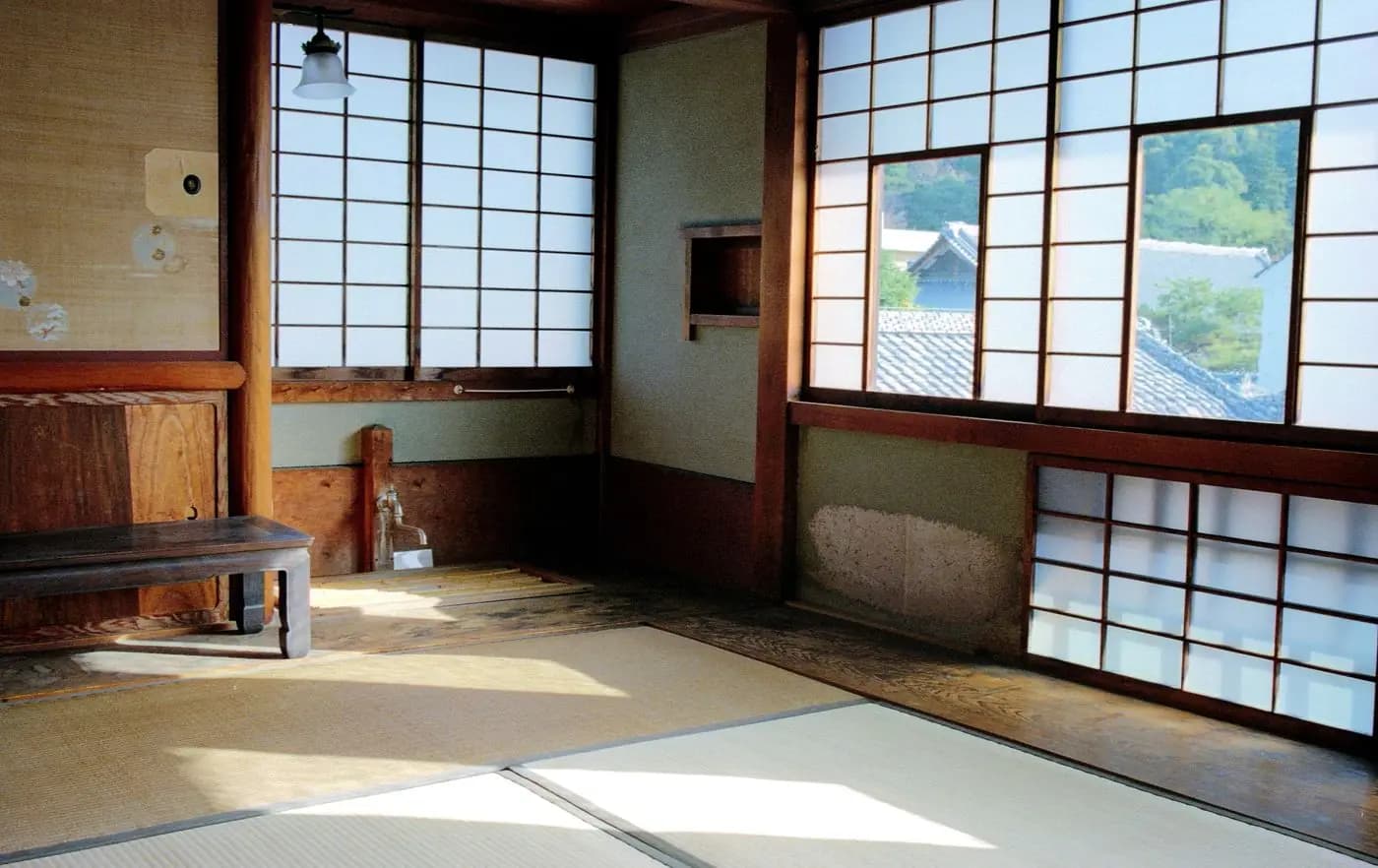
The ryokan, the traditional inn with futons, tatami and baths, is an experience we recommend for one or two nights. Rooms often sleep 3 to 5: perfect for a youth club, trickier for colleagues. Dinner is served at a fixed time, often 6 or 6:30 p.m., and is not moved.
The rooming list (who sleeps with whom, diets, dates) goes to the hotel two months ahead, then in final form one month ahead. A single spreadsheet, shared and updated by one person, avoids duplicates.
Guides, transport and pace on the ground
In Japan, English is still not widely spoken outside hotels and major stations, and signage quickly becomes Japanese-only once you leave tourist sites. For a group, a French- or English-speaking guide is not a luxury. Plan one guide per coach, plus a tour leader on the group side for every 20 to 25 travellers, who handles individual questions while the guide talks.
For getting around, the usual combination is simple: private coach in cities and for excursions, Shinkansen between major cities, flights to Okinawa, Hokkaido or Kyushu. JR group tickets apply from 8 people and give 10 to 15% off the base fare depending on the period, with one free place from 31 travellers. Suitcases travel separately, by delivery service, from hotel to hotel: we cover this in detail in our article on group transport.
As for pace, the classic mistake is copying a European day. Sites open early (often 8:30 or 9 a.m.) and close early (4:30 or 5 p.m. for many temples and gardens). Group dinners are often served at 6:30 p.m. We therefore recommend:
- two major visits a day, not three;
- leaving the hotel around 8:30 a.m. to get ahead of other groups;
- a free half-day every three or four days;
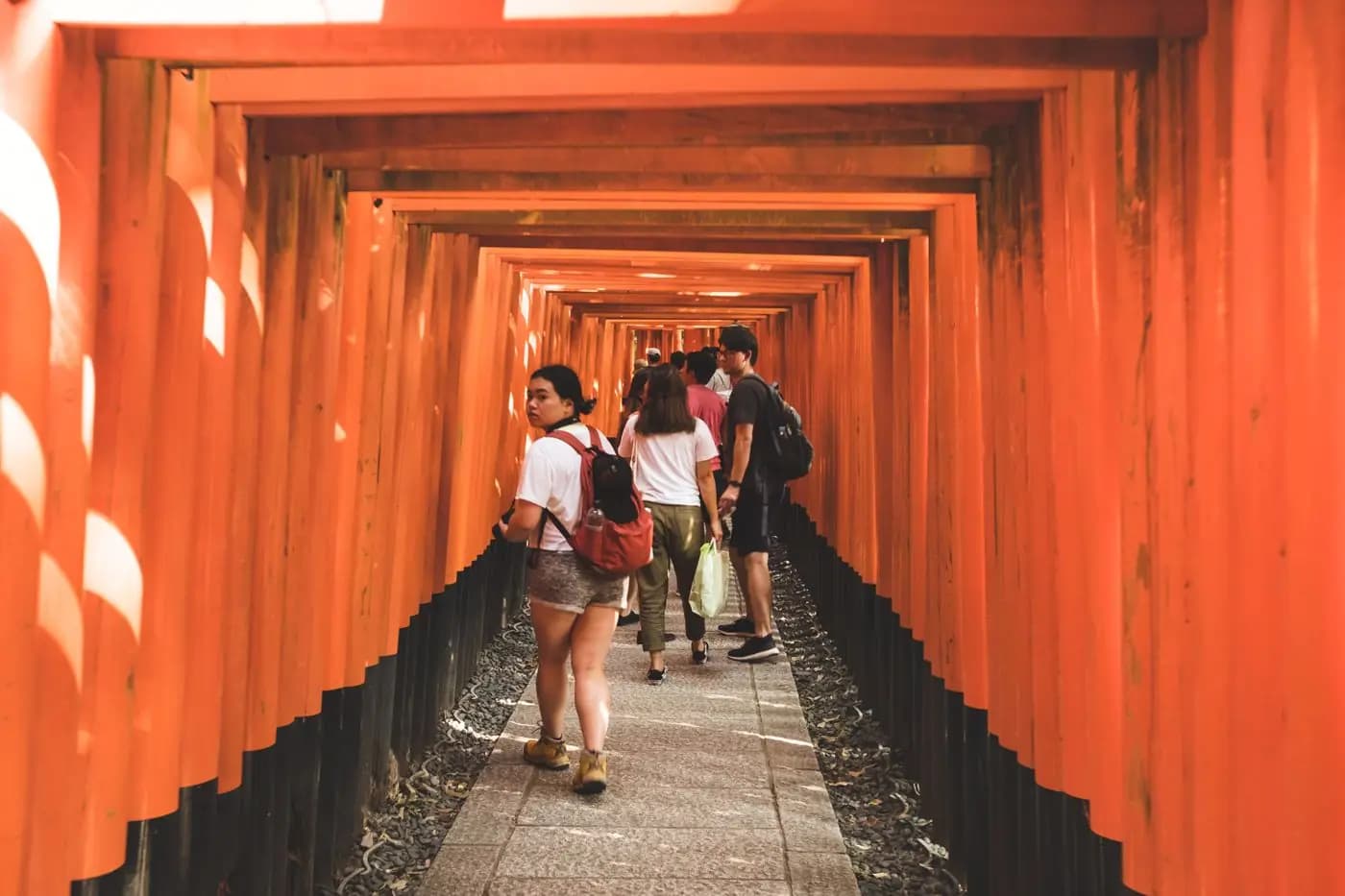
- a realistic walking load: 15,000 to 20,000 steps a day are common in Kyoto.
Finally, set up a group messaging thread (WhatsApp or LINE) with a meeting point and time written down, with a photo, at every free period.
Documents, insurance and formalities: what every participant needs
For tourist stays of up to 90 days, French, Belgian, Swiss, Luxembourg, Canadian, UK and US citizens do not need a visa. You need a passport valid for the whole stay; we still recommend six months' validity, as some airlines and transit countries require it. Check each participant's nationality: in a club or company, one or two travellers often hold another passport that requires a visa taking several weeks.
On arrival, the online Visit Japan Web form lets travellers prepare immigration and customs declarations and clear checks faster with a QR code. Ask everyone to fill it in during the week before departure, and keep a copy of all the QR codes on the tour leader's phone. Japan also plans an electronic travel authorisation (JESTA) around 2028: worth watching for trips planned far ahead.
Insurance deserves real attention. Care is excellent but charged at full rate to visitors, and a medical repatriation from Tokyo costs tens of thousands of euros. Cover to require:
- medical and hospital costs abroad, with a high ceiling;
- repatriation assistance;
- cancellation, including for the organiser if the minimum number of participants is not reached;
- the organiser's public liability.
Premium bank cards often cover part of these risks, but rarely group cancellation. Legally, in France and across the EU, selling a trip combining transport and accommodation falls under package travel rules: an association or works council organising its own trip should check whether it needs to be registered, or work with an operator that is.
Association, club or company: what changes with the type of group
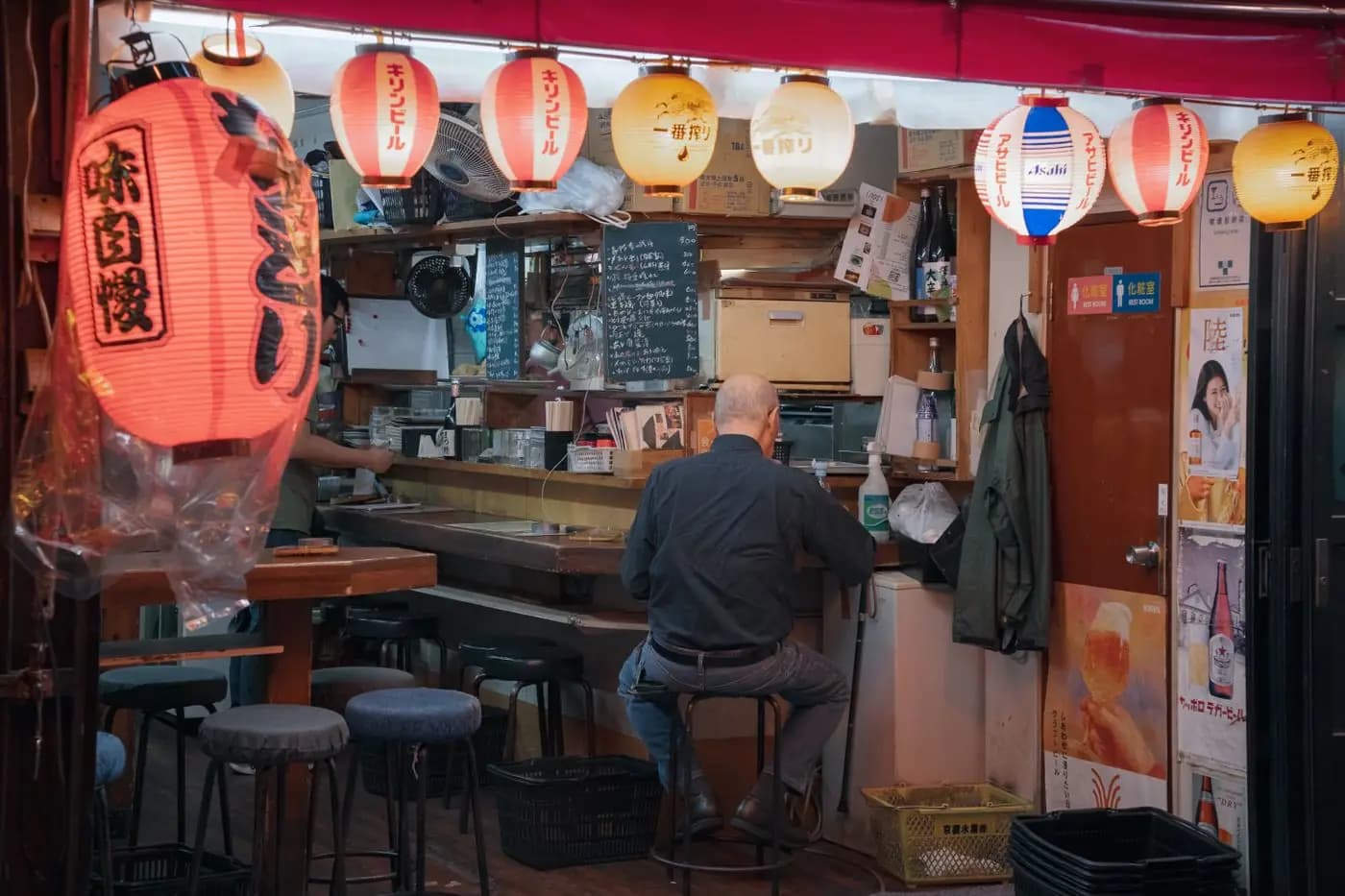
An association or sports club first wants to hold a price. Effective levers: travel in February, June or November, when the JR group discount rises to 15%; stay in business hotels or ryokan with shared rooms; replace every other dinner with free meals in izakaya and department-store food halls, which are very affordable. For a sports club, book the training venue first: a dojo or gym is arranged through a federation or a university, and it sets the dates.
A company, for an incentive trip or a seminar, thinks differently: single rooms, a meeting room for half a day, a private evening, one or two highlights people will talk about when they get home. The budget per person often doubles, but the real demand is smoothness: nobody should be waiting on a pavement with their suitcase.
A works council or staff association sits in between, with one extra constraint: participants of all ages, sometimes with children. Plan two visiting paces in parallel on some days.
In every case, the same three habits prevent most problems: a single decision-maker, contracts read for their release dates, and a plan B for every outdoor activity. Groups that prefer to hand over this coordination work with a local destination management company: that is what SHINOGI DMC does, organising group trips for companies and associations in Japan, from flights to the final transfer.
Group trip to Japan checklist
Print it and tick it off, in order:
- Purpose written in one sentence, single decision-maker named.
- Group size minimum and maximum set, budget per person approved, list of inclusions and exclusions.
- Dates checked against Japanese holidays and the season (rain in June, typhoons from August to October).
- Flights: group quote, deposit paid, names deadline noted.
- Hotels: contracts signed, release dates in the calendar, number of singles and twins confirmed, accommodation taxes budgeted.
- Transport: coaches booked with realistic hours and mileage, group train tickets requested, luggage delivery arranged.
- Guides: one per coach, briefed on the group.
- Meals: restaurants booked, diets and allergies sent in writing in Japanese.
- Passports: validity checked for each participant, nationalities requiring a visa identified.
- Insurance: medical, repatriation, cancellation, liability.
- Visit Japan Web completed by everyone, QR codes copied.
- Travel booklet: timed programme, addresses in Japanese, emergency numbers (110 police, 119 fire and ambulance), guide and hotel contacts.
- Plan B written for every outdoor activity.
- Group messaging thread created and tested before departure.
Frequently asked questions
How far in advance should you organise a group trip to Japan?
Allow 9 to 12 months for 20 to 50 people, and 12 months or more for cherry blossom season or Kyoto's autumn leaves. A small group of 10 outside peak season can be organised in 4 to 6 months.
From how many people is it considered a group in Japan?
For JR trains, from 8 people travelling together. For airlines, usually from 10 passengers. Hotels typically apply group contracts from around 8 to 10 rooms.
Do you need a visa for a group trip to Japan?
Not for French, Belgian, Swiss, Luxembourg, Canadian, UK or US citizens on tourist stays of up to 90 days. Check each participant's nationality, though: some passports require a visa that must be applied for weeks in advance.
What budget should you plan for a one-week group trip to Japan?
Excluding flights, in 3- or 4-star hotels with guide, transport and half board, most groups fall between 1,800 and 3,500 euros per person. The exchange rate and season move this figure by 10 to 15%.
Are group train tickets in Japan cheaper?
Yes. From 8 people, JR gives 10% off the base fare in busy periods and 15% in quieter ones (February, June, September, November…), plus one free place from 31 travellers. Requests are made between 9 months and 14 days before departure.
What insurance should a group take for Japan?
Cover for medical costs abroad with a high ceiling, repatriation assistance, cancellation (including for the organiser) and the organiser's liability. Medical care in Japan is charged at full rate to visitors.
Rédaction SHINOGI DMC · Updated
Sources
- JNTO — Préparer son voyage au Japon
- Ministry of Foreign Affairs of Japan — Visa exemption arrangements
- Digital Agency — Visit Japan Web
- JR Group — 団体割引乗車券のご案内 (group discount tickets)
- JR Central — 団体割引乗車券 (group ticket rules)
- Japan Tourism Agency — 国際観光旅客税 (International Tourist Tax, 3,000 yen from July 1, 2026)
- City of Kyoto — 宿泊税 (accommodation tax)
- Atout France — Immatriculation des opérateurs de voyages