- Duration
- About 1.5 hours
- Group size
- 4–30 pax
- Cities
- Tokyo
- Indicative budget
- From ¥38,500 per person
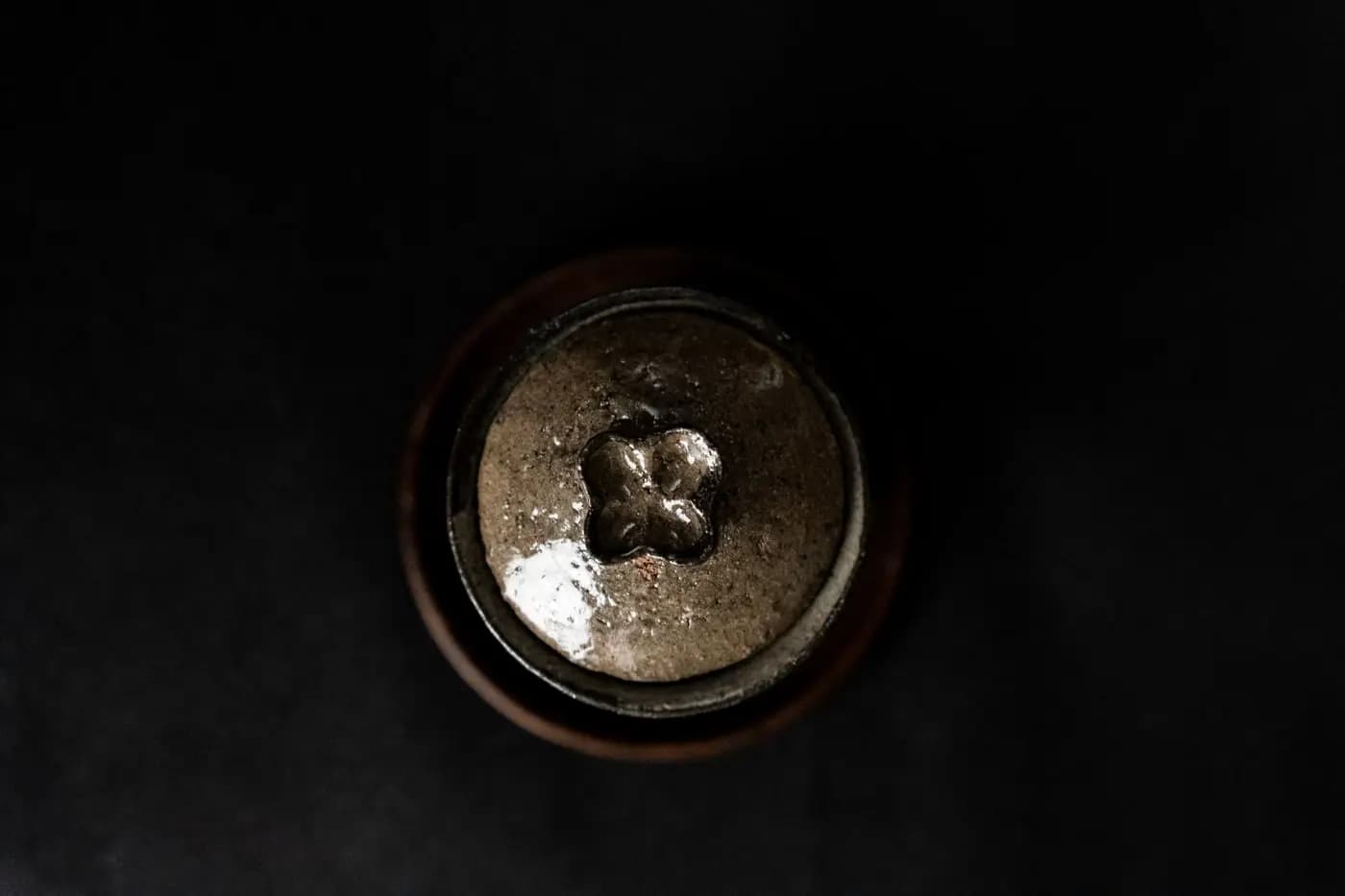
In kodo you do not “smell” incense, you “listen” to it. The teacher first introduces the aromatic woods, then prepares a small ceramic censer in front of the group: shaped ash, buried charcoal and a thin mica plate on which a sliver of wood is heated without burning. The censer is passed from guest to guest with a set way of holding it. Next comes a matching game: several scents circulate in a secret order and each guest notes which ones they think are the same, before the answers are revealed. The session ends with each participant blending natural powders (sandalwood, clove, cinnamon and others) into a personal incense, packed in a sachet. An interpreter translates throughout.
It is one of the few cultural activities built around the sense of smell, and nobody arrives with an advantage: executives, employees and clients start on equal terms. The matching game brings a focused silence, followed by lively discussion when the results come out. The format suits executive committees, VIP clients and small incentive groups particularly well. For a larger group, we set up several tables, each run by an assistant, or rotate with another activity, such as an ikebana workshop in a neighboring room.
Aromatic woods reached Japan together with Buddhism. At the Heian court, aristocrats scented their robes and competed with refined blends. Kodo was codified in the 15th and 16th centuries, in the same period as tea ceremony and ikebana, and ranks with them among Japan's classical arts of refinement. The most prized wood, kyara, can be worth more than gold by weight; the workshop shows why.
Objectives
- Introduce a rare Japanese art that few foreign visitors know
- Bring executives, teams and clients together on equal terms
- Give each participant a personalized keepsake they made themselves
How it works
- 1Advance instruction: no perfume or strongly scented products on the day.
- 2Introduction to kodo and aromatic woods by the teacher, with interpretation.
- 3Listening to incense: the censer is passed from hand to hand in the traditional way.
- 4Scent-matching game, with answers written down and then revealed.
- 5Blending a personal incense, packed in a sachet to take home.
Good to know
- Ideal format of 6 to 12 people per table; larger groups use several tables with assistants or rotations.
- The wood is heated, not burned, so there is very little smoke. We still check each venue's rules in advance.
- Seated at tables or on tatami depending on the venue; chairs available on request.
- Please tell us about allergies or respiratory sensitivities in advance; the ingredient list is available on request.
- The incense sachet is light and compact, and fits easily in luggage.
Indicative budget
From ¥38,500 per person (private session, small-group basis). Lower group rates quoted according to numbers; interpreter and transfers optional.
Frequently asked questions
Do you need a particularly good sense of smell?
No. Kodo is about attention rather than performance. The matching game is designed to be accessible, and the differences in results are part of what makes the final discussion interesting.
Does the workshop produce a lot of smoke?
No. Unlike incense sticks, the wood is only heated on a mica plate. The scent stays subtle and the activity can take place in a hotel function room, subject to the venue's approval, which we obtain beforehand.
How many participants can a kodo workshop take?
From 4 to 30 people. The most intimate format gathers 6 to 12 participants around one table; beyond that, we add tables run by assistants or split the group into rotations.
Can kodo be combined with another activity on the same day?
Yes. It pairs well with a tea ceremony or an ikebana workshop for a half-day of traditional arts, or with a Japanese dinner in the evening. We recommend scheduling it before the meal, when the sense of smell is sharper.